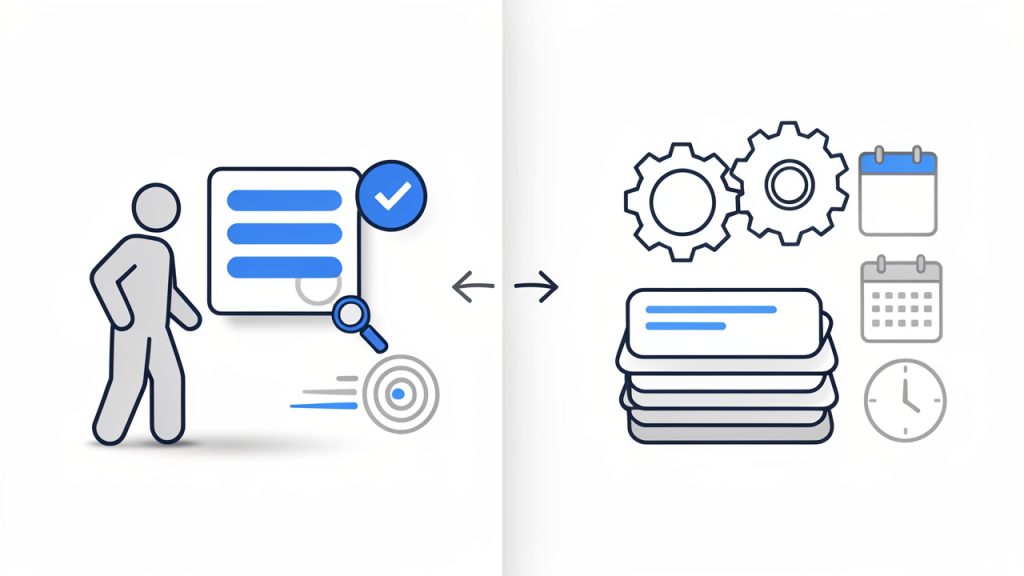
The phrase “new manual post” can sound deceptively simple. At first glance, it feels like a phrase that should explain itself. Yet for many small business owners, freelancers, developers, and productivity-focused users, the real question is not just what a new manual post is, but when it matters, why it still has value, and how to use it effectively in a world built around automation.
That tension is real. Most modern tools promise scheduling, syncing, auto-publishing, and one-click workflows, and those features save time, but they can also create distance between the creator and the content. A manually created post, especially a new one prepared with intention, often gives you more control over timing, accuracy, tone, formatting, and context. In many situations, that control is exactly what makes the difference between content that merely appears online and content that actually works.
If you have come across the term new manual post while managing a website, social feed, CMS, forum, internal dashboard, or publishing tool, this guide will clarify what it means in practical terms. More importantly, it will show you how to approach manual posting strategically, so the process stays efficient instead of becoming another repetitive task.
What Is a New Manual Post?
A new manual post generally refers to a piece of content that is created and published by a person directly, rather than generated, imported, duplicated, or automatically scheduled by software. The exact meaning can vary by platform, but the core idea remains consistent, a human is intentionally initiating the post and deciding what appears, when it appears, and how it is presented.
In a content management system (CMS), a new manually created post might mean opening the editor, writing the title and body, adding media, selecting categories, and publishing it yourself. In that sentence, link “the editor” points to a visual tool, which you can explore for a guided editing experience: the editor.
On social media, it can mean typing and posting an update directly rather than relying on a scheduler or an automation tool. In a forum, knowledge base, or internal workflow platform, it can refer to entering a fresh post or record by hand instead of using templates, API feeds, or batch imports.
That distinction matters because manual posting is often tied to precision. When something is time-sensitive, brand-sensitive, or dependent on human judgment, manual creation becomes an advantage rather than a limitation. For example, a business responding to a local event, a freelancer publishing a portfolio update, or a developer documenting a product change may all benefit from reviewing every word before posting.
There is also a quality element here. Automated systems are excellent at scale, but not always at nuance. A new post created manually can reflect current context, adapt to audience expectations, and avoid awkward errors that come from generic workflows. It is the digital equivalent of writing a note yourself instead of sending a prewritten template. Both are valid, but they do not have the same effect.
Key Aspects of a New Manual Post
Control Over Content and Timing
One of the biggest strengths of a new manual post is editorial control. You decide the language, the structure, the formatting, and the moment of publication. That may sound basic, but in practice it is powerful.
Consider a small business announcing a flash promotion. If the wording needs to be adjusted based on stock levels, customer questions, or local conditions, a manually published post allows immediate refinement. You are not locked into a preloaded message set days earlier. You can adapt in real time, which often leads to more accurate and more effective communication.
Timing is equally important. Automated systems publish according to rules, and manual publishing responds to reality. If your audience is suddenly active because of breaking news, an industry update, or a product launch, posting manually lets you meet the moment with relevance instead of sticking to a rigid schedule.
Greater Accuracy and Context
A manually created post often performs better in situations where context matters. This is especially true for updates involving pricing, policy changes, technical notices, project milestones, or client communication. In these cases, accuracy is not optional. It is part of trust.
When you create a post manually, you are more likely to catch inconsistencies, outdated references, missing links, or misleading phrasing. That extra human review acts as a quality filter. It helps ensure the message matches the current situation, not just the template it came from.
For developers and technical teams, this can be particularly valuable. A release note, incident update, or changelog entry may require nuance that automation cannot always provide. Users do not just want information, they want the right information, stated clearly, with the right level of detail.
Better Fit for Sensitive or Custom Messaging
Not every message should be automated. A new post created manually is often the better route when the content is personal, reactive, or highly specific. Announcements tied to customer feedback, service disruptions, one-time promotions, or public responses usually benefit from direct oversight.
Freelancers can use manual posts to shape a more authentic voice. Instead of publishing the same type of update every week, they can tailor each post to current work, audience interest, or portfolio goals. That keeps content from feeling mechanical. It also helps maintain a stronger professional identity.
The same applies to small brands trying to appear more human online. Audiences are quick to notice when every post sounds system-generated. Manual publishing introduces variation, personality, and intention, which often leads to stronger engagement over time.
Slower Workflow, but Smarter Decisions
There is a trade-off. Manual posting is slower than automation, at least on the surface. It takes time to write, review, format, and publish each item individually. For teams handling large volumes of content, that can feel inefficient.
Still, speed is not the only metric that matters. A slower workflow can sometimes produce better decisions. When someone pauses to manually prepare a post, they are more likely to ask useful questions about clarity, channel appropriateness, and timing. Those questions improve quality. They also reduce the chance of publishing content that creates confusion, damages credibility, or simply adds noise. In that sense, a manual post is not just a publishing method, it is a decision-making checkpoint.
Where Manual Posting Works Best
A new manual post is especially useful in environments where customization matters more than volume. The table below shows how manual posting compares with automated posting in common scenarios.
| Scenario | Manual Post Advantage | Automated Post Advantage |
|---|---|---|
| Time-sensitive announcements | Better real-time judgment and wording | Faster bulk distribution if preplanned |
| Social media engagement | More authentic and reactive communication | Easier consistency across many posts |
| Blog publishing | Better editorial review and SEO refinement | Useful for scheduled content calendars |
| Technical updates | Higher accuracy and context | Efficient for repetitive status updates |
| Client communication | More personal and tailored messaging | Helpful for standard reminders |
The important takeaway is that manual and automated posting are not enemies. They serve different purposes. The best workflows usually combine both, using automation for repeatable tasks and manual publishing for moments that require attention and judgment.
How to Get Started With a New Manual Post
Start With the Purpose, Not the Platform
Before writing anything, define what the post is supposed to accomplish. This step is often skipped, which is why many posts end up sounding vague or unnecessary. A new manually prepared post should have a clear reason to exist.
Ask yourself whether the post is meant to inform, promote, clarify, update, or invite action. A business update should not read like a sales pitch unless sales are the actual goal. A product post should not be overloaded with detail if the goal is simple awareness. When the purpose is clear, decisions about structure, tone, and length become much easier.
This approach also saves time. Instead of endlessly editing a post that feels off, you shape it around a defined outcome. That keeps the process focused and prevents manual posting from turning into unstructured improvisation.
Build a Simple Creation Process
A good manual workflow should feel deliberate, not complicated. You do not need a large system to make it work. In most cases, a lightweight process is enough to maintain consistency without sacrificing flexibility.
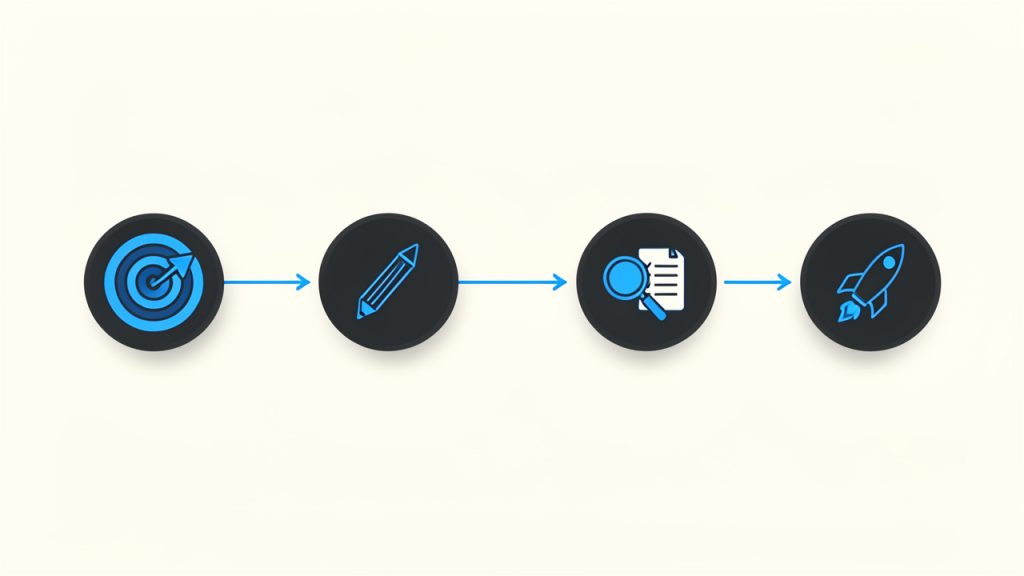
A practical starting process usually includes these actions:
- Define the goal for the post.
- Draft the message in plain language.
- Review for clarity and accuracy before publishing.
- Add links, images, or formatting only where they improve the message.
- Publish and monitor response so you can adjust if needed.
That sequence keeps manual posting manageable. It also reduces the common temptation to overdesign every post. The goal is not perfection, the goal is publishing something clear, useful, and well-timed.
Focus on Readability and Structure
Even a short manual post should be easy to scan. Most readers do not consume digital content word by word. They look for signals, a clear opening, relevant details, and a reason to care.
That means your manually created post should use direct language, short paragraphs, and a logical flow. If the message contains important details such as dates, links, feature changes, or action steps, place them where they are easy to find. Do not bury critical information under a long introduction.
For productivity-minded users, this is especially important. A post can be well written and still fail if it wastes attention. Manual posting should give you more control over readability, not less. Use that advantage.
Keep Branding Consistent Without Sounding Robotic
One challenge with manual posting is inconsistency. If every post is written from scratch, tone and messaging can drift. That is why it helps to define a few internal standards for voice, style, and structure.
You do not need a long brand manual. A short set of guidelines can be enough. For example, decide how formal your tone should be, how you refer to products or services, whether you use short or detailed calls to action, and how you format links or updates. These small decisions create a more professional experience.
At the same time, avoid making every manual post sound identical. Consistency should support trust, not erase personality. The best manually written posts feel cohesive, but still responsive to the situation.
Use Manual Posting Where It Adds Real Value
The smartest way to use a new manual post is not to apply it everywhere. It is to use it where it creates a meaningful advantage. If a recurring update is always the same, automation may be the better tool. If a message needs judgment, nuance, or human tone, manual creation is likely worth the effort.
This mindset matters for small teams and solo professionals who cannot afford wasted motion. Manual posting should be treated as a high-value publishing option, not as the default for everything. That helps preserve time while protecting quality where quality matters most.
A useful way to decide is to compare effort against impact.
| Type of Content | Best Approach | Reason |
|---|---|---|
| Weekly standard reminders | Automated | Low variation, repeatable format |
| New service announcement | Manual | Needs tailored messaging and positioning |
| Urgent customer update | Manual | Requires judgment and clear context |
| Scheduled promotional series | Mixed | Automate the base, adjust key posts manually |
| Internal knowledge entries | Manual or mixed | Depends on complexity and accuracy needs |
This kind of filtering helps you build a workflow that is realistic. It also prevents burnout, which is a real risk when every post is handled manually without a clear reason.
Conclusion
A new manual post is more than a basic publishing action. It is a deliberate choice to create and publish content with human oversight, direct control, and contextual awareness. In environments where accuracy, tone, and timing matter, that choice can significantly improve results.
If you want to get started, begin small. Pick one kind of content that benefits from a manual approach, create a simple review process, and pay attention to how the quality changes. Over time, you will find the right balance between automation for efficiency and manual posting for precision. That balance is where effective digital communication usually lives.
For additional context on platforms and publishing tools, learn more about content management systems here: content management system.

Watch a quick primer on manual vs. automated publishing: https://www.youtube.com/watch?v=dQw4w9WgXcQ