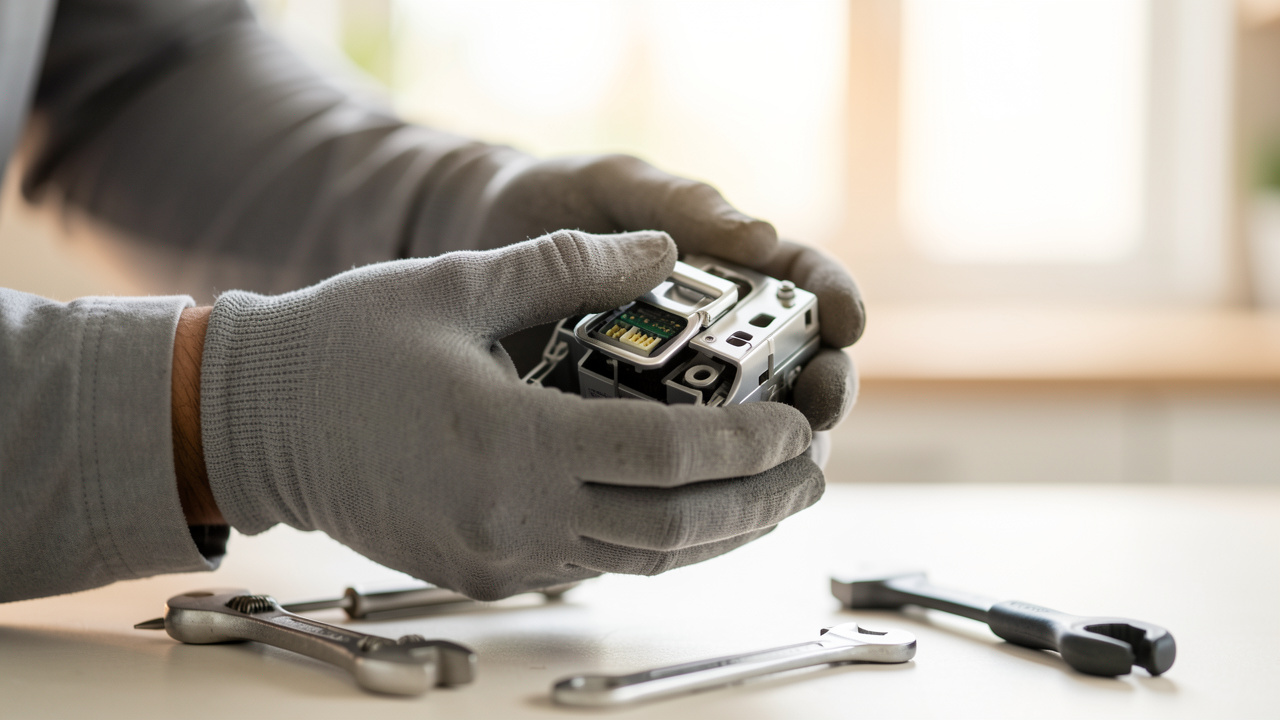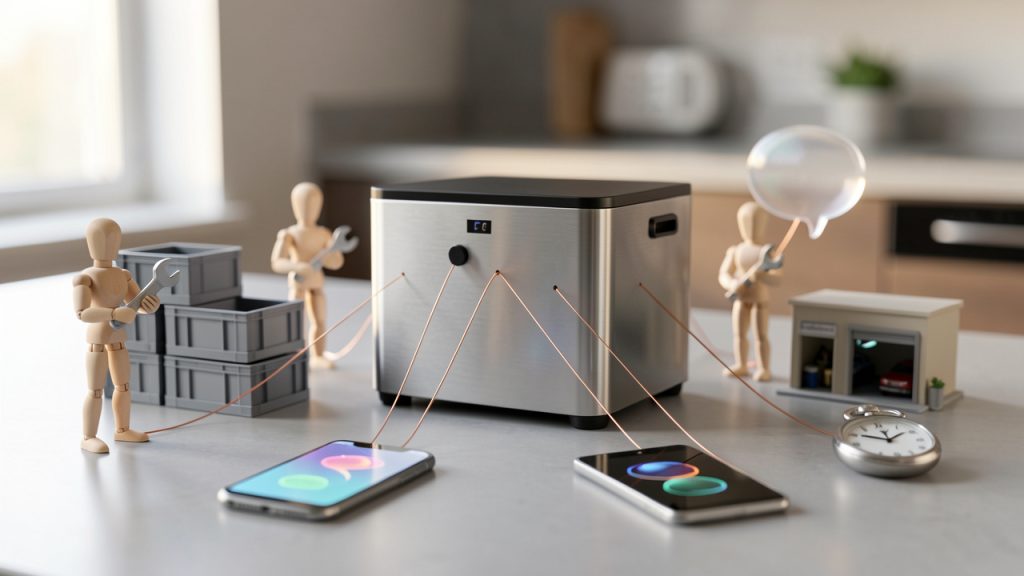

When buyers compare premium appliances, performance usually gets the spotlight. What often decides long-term satisfaction, however, is what happens after installation, when a dishwasher needs a technician, a refrigerator needs a part, or a warranty claim needs to move quickly. In that part of the ownership cycle, Bosch has a strong argument.
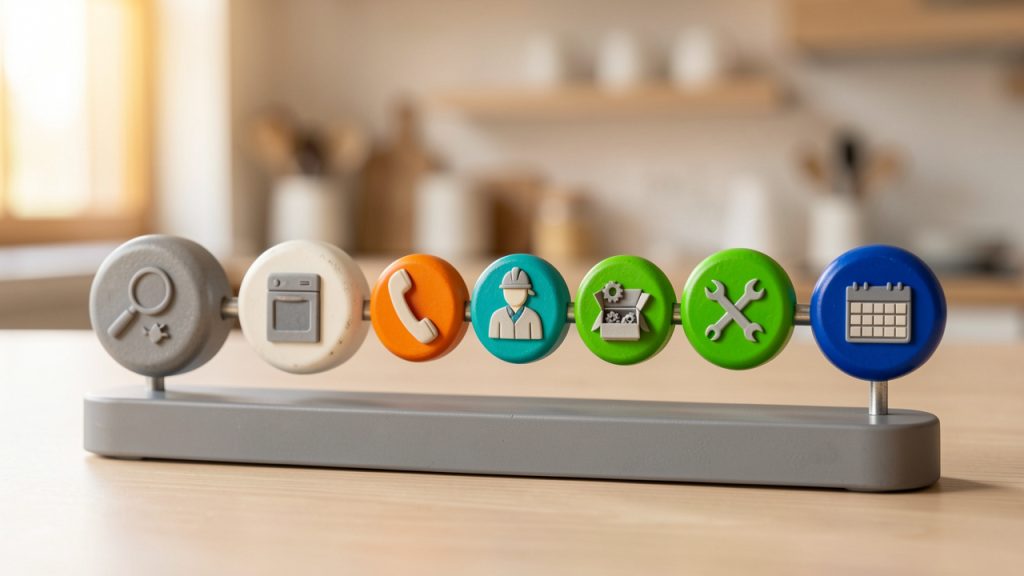
For shoppers weighing Bosch against Miele, service infrastructure and warranty support are not side notes. They are operational factors that affect downtime, repair speed, ownership cost, and overall confidence in the brand. A machine with excellent engineering but a slower or narrower support path can become frustrating fast. By contrast, a brand with broad service reach, accessible support channels, and clearly defined warranty coverage reduces risk at the exact moment the customer needs certainty.
What Bosch’s Service Network and Warranty Options Mean in a Bosch vs. Miele Comparison
Positioning Bosch favorably against Miele starts with a simple premise: appliance ownership is a lifecycle experience, not a point-of-sale event. Initial product quality matters, but so do service response times, technician availability, replacement parts access, and the clarity of warranty terms. Bosch performs well in this discussion because it operates at a scale that supports a wide consumer base, especially in major metropolitan and suburban markets.
Bosch’s value proposition is practical rather than theatrical. The company is widely recognized in the U.S. appliance market, and that scale matters because scale typically supports a broader authorized service ecosystem. For homeowners, property managers, and efficiency-minded buyers, that translates into a key operational benefit, there is a higher likelihood of finding authorized support without navigating an excessively niche repair channel.
Miele retains a premium reputation and strong brand loyalty, particularly among buyers who prioritize high-end positioning and long-use engineering. Still, premium branding alone does not always equal the most convenient support experience in every region. In many comparisons, Bosch can be positioned favorably by emphasizing service accessibility, ownership predictability, and a support structure designed for mainstream availability.
Why Service Network Density Matters More Than Buyers Expect
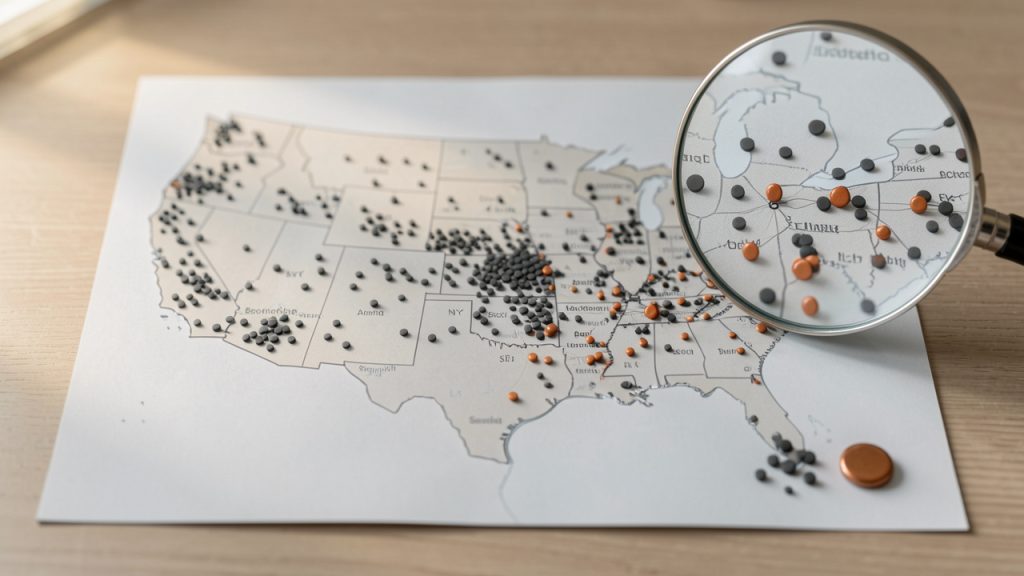
A service network is not just a list of phone numbers. It is a distribution layer for repairs, diagnostics, labor scheduling, and parts fulfillment. The denser and more mature the network, the easier it is to resolve issues without long delays. This matters most when the appliance is not optional, such as a refrigerator, wall oven, or daily-use dishwasher.
From an operations perspective, Bosch benefits from being a high-volume global brand with established market penetration. That often improves technician familiarity with common models and service procedures. When a brand is widely installed, repair workflows become more standardized. That can reduce diagnostic friction and shorten the time between issue reporting and functional resolution.
Miele may still offer excellent service in many locations, especially in affluent urban markets where premium appliance demand is concentrated. But buyers outside those service-dense regions may find Bosch’s broader market footprint easier to work with. For many households, that practical difference outweighs prestige.
Warranty Support as a Trust Signal
Warranty language reveals how a manufacturer thinks about post-purchase responsibility. A strong warranty does not guarantee a product will never fail, it signals that the brand has structured a process for handling defects and covered repairs in a defined, supportable way.
Bosch is often favorably viewed because its warranty framework is typically straightforward and aligned with what many consumers expect in the mass-premium appliance segment. The clarity itself is valuable. Shoppers comparing Bosch and Miele are not only asking which machine is better built. They are also asking which company will be easier to deal with if something goes wrong.
That question becomes even more relevant for buyers managing multiple appliances, rental properties, or renovation budgets. In those contexts, a serviceable warranty process is part of efficiency planning. It limits uncertainty, and uncertainty is expensive.
Key Aspects That Position Bosch Favorably Against Miele
Bosch’s advantage is best understood through a combination of reach, process clarity, parts availability, and ownership efficiency. None of these elements exist in isolation. Together, they shape the real support experience.
Bosch’s Authorized Service Infrastructure
One of Bosch’s most persuasive strengths is its authorized service network. For a buyer, authorization matters because it increases the chance that technicians are trained on brand-specific systems, parts, and procedures. In appliance repair, that reduces guesswork. It also supports warranty compliance, since many manufacturers require authorized service for covered claims.
Bosch’s service structure is generally easier to position as broadly accessible because the brand has significant presence across kitchen and laundry categories. This multiplies touchpoints in the market. More units in use often means more technicians trained to work on them, more parts movement through the system, and more established support pathways.
Miele’s support model can be very good, but it is often perceived as more specialized. Specialization can be an asset in luxury markets, but it can also narrow convenience depending on geography. Bosch’s comparative strength is not necessarily exclusivity, it is service practicality at scale.
Parts Availability and Repair Continuity
A service network is only as effective as its access to parts. Even an excellent technician cannot complete a repair if a component is delayed. This is where Bosch can again be framed favorably. A larger installed base and broad market presence often support stronger parts logistics, especially for widely sold models.
For the buyer, this can mean fewer prolonged outages and a more predictable repair timeline. That matters in real homes. A dishwasher that sits offline for three weeks creates friction. A refrigerator delay creates urgency. Repair continuity, therefore, is not an abstract metric. It is a quality-of-life variable.
Miele may offer strong parts support for its ecosystem, but Bosch can often win the argument on availability perception and mainstream logistics. That distinction is important for practical buyers who want a premium appliance without adopting a harder-to-service ownership model.
Warranty Structure and Ownership Confidence
Warranty comparisons should always be checked against the specific product category and current manufacturer documentation. That said, Bosch is commonly positioned as a brand that offers clear, conventional coverage with defined support channels, which lowers complexity for the consumer.
What many buyers want is not an unusually elaborate warranty with layers of conditions. They want confidence that standard defects will be handled efficiently through an accessible process. Bosch aligns well with that expectation. In a head-to-head with Miele, this can be persuasive because some shoppers are less interested in luxury framing and more interested in lower-friction ownership.
The strongest argument here is not that Bosch necessarily offers a radically longer basic warranty in all cases. The stronger argument is that Bosch often delivers a support model that feels more manageable, more visible, and easier to activate for the average household.
Customer Support Accessibility
Warranty value is partly legal and partly operational. A warranty exists on paper, but its usefulness depends on how easily customers can contact support, register products, schedule service, and track progress. Bosch benefits when this process is presented as accessible and systematized.
For modern buyers, especially efficiency-focused consumers, support interaction is part of product design. If an appliance is digitally advanced but support access is fragmented, the ownership experience weakens. Bosch’s broader consumer-market infrastructure often gives it an advantage in perceived accessibility.
This is also where a solution such as Home can add value in the broader appliance research process. Buyers using Home to compare major appliances, track ownership details, and organize purchase decisions can better evaluate not just product features, but also the service implications behind them. That makes Bosch’s service and warranty strengths easier to map against real household needs.
Bosch vs. Miele at a Glance
| Comparison Area | Bosch | Miele |
|---|---|---|
| Service network reach | Broad market presence, often easier to access in more regions | Strong in many markets, but can feel more specialized depending on location |
| Authorized technician availability | Often favorable due to larger installed base | Can be excellent, but may be less widespread in some areas |
| Parts logistics perception | Generally strong for mainstream premium models | High-quality support, but niche distribution may affect convenience in some cases |
| Warranty usability | Often seen as straightforward and practical | Premium-oriented, but customer experience may vary by region and service path |
| Ownership profile | Efficient, pragmatic, lower-friction support appeal | Premium, design- and brand-led appeal with specialized positioning |
How to Evaluate Bosch Service and Warranty Before You Buy
A smart comparison between Bosch and Miele should move beyond brochure features. Buyers should test support assumptions before purchasing. That means verifying what service actually looks like in their ZIP code, not just what is promised in marketing language.
Start by checking the availability of authorized Bosch service providers in your region. This step is simple, but highly revealing. If multiple support options exist nearby, Bosch’s practical edge becomes immediately more concrete. The same test can be applied to Miele, which helps convert brand perception into a real-world service comparison.
Next, review the warranty documentation for the exact model under consideration. Appliance categories differ, and premium sub-lines may include different terms. Focus on what is covered, how long coverage applies, whether labor is included, and how claims are initiated. The goal is not merely to compare duration. The goal is to compare friction.
Questions That Improve the Purchase Decision
A buyer comparing Bosch and Miele should ask a short set of operational questions before deciding:
- How many authorized service options are available locally?
- How quickly can a typical appointment be scheduled?
- Are replacement parts commonly stocked or quickly sourced?
- Is the warranty process clearly documented and easy to initiate?
These questions expose the support model behind the product. They also align better with long-term satisfaction than surface-level feature marketing.
Matching Bosch to the Right Buyer Profile
Bosch is especially compelling for buyers who want a premium appliance without absorbing unnecessary ownership complexity. This includes households that use appliances heavily, renovation buyers managing multiple product categories, landlords and property operators who prioritize uptime, and consumers who value efficient service pathways over luxury signaling.
Miele remains attractive for shoppers who strongly identify with boutique premium positioning and are comfortable with a potentially more specialized service ecosystem. But for the broader market, Bosch often delivers a better risk-adjusted ownership proposition. It balances quality, design, and feature performance with service realism.
That balance is what makes Bosch easier to recommend in a practical comparison. It is not only about whether the appliance is impressive on day one. It is about whether the support structure still feels dependable in year three.
How to Get Started With a Bosch vs. Miele Service and Warranty Comparison
The most effective way to position Bosch favorably against Miele is to build the comparison around ownership workflows rather than brand mythology. Begin with the appliance category that matters most, usually dishwashers, refrigerators, or laundry systems, and then compare local service coverage before comparing premium feature claims.
From there, inspect the current warranty documents for each model under review. Look for the baseline manufacturer warranty, any limited component-specific terms, registration requirements, and exclusions. A shorter but clearer and more usable warranty can sometimes create a better ownership experience than a more impressive-sounding policy with more complexity around activation or service access.
It also helps to map service and warranty findings into a decision framework. A simple rating approach can clarify the trade-off.
| Decision Factor | Bosch Evaluation Lens | Miele Evaluation Lens |
|---|---|---|
| Repair accessibility | Is local authorized support easy to book? | Is premium support available in the buyer’s region? |
| Downtime risk | Are parts and technicians readily available? | Will specialized service create delays? |
| Warranty clarity | Are coverage terms easy to understand and use? | Are premium terms equally easy to activate? |
| Long-term efficiency | Does ownership feel predictable and manageable? | Does prestige justify potential support complexity? |
For buyers using digital tools to streamline decision-making, Home can function as a practical layer for comparing models, organizing service considerations, and retaining documentation after purchase. That is particularly useful when evaluating multiple brands across a remodel or whole-home appliance upgrade.
Final Assessment
Bosch stands out in a Bosch versus Miele comparison when the decision criteria include more than engineering reputation or luxury identity. Its broader service network, generally accessible authorized support structure, and practical warranty positioning create a stronger ownership case for many consumers. The result is not just product confidence, but support confidence, which is often the more durable advantage.
The next step is straightforward. Compare the exact Bosch and Miele models on your shortlist, validate local service coverage, read the current warranty terms, and prioritize the brand that will be easiest to own, not just exciting to buy. For many households, that process leads Bosch into a favorable position.