Shopify SEO can quietly make or break an online store. You can have strong products, clean branding, and competitive pricing, but if your store does not appear when people search, growth becomes expensive and unpredictable.
That is why search optimization matters so much for Shopify merchants. Good SEO helps your products, collections, and content show up for the right shoppers at the right moment. It reduces your dependence on paid ads, builds long-term visibility, and attracts visitors who are already looking for what you sell. If you run a small business, freelance for ecommerce clients, or build stores as a developer, understanding SEO for Shopify is one of the highest-leverage skills you can invest in.
What Is Shopify SEO?
Shopify SEO is the process of improving a Shopify store so it can rank better in search engines like Google. That includes technical improvements, content optimization, site structure, internal linking, product page quality, and user experience. The goal is simple, help search engines understand your store and help real people find exactly what they need.
What makes SEO on Shopify different from general SEO is the platform itself. Shopify gives store owners a fast, hosted ecommerce system with many built-in features, but it also comes with structural conventions that affect optimization. URL patterns, themes, collection architecture, duplicate content risks, and app-related performance issues all play a role. In other words, the fundamentals of SEO still apply, but the way you implement them on Shopify has its own nuances.
For most store owners, Shopify is a strong starting point. It handles hosting, security, and mobile responsiveness in many themes, and it covers a lot of technical basics out of the box. That lowers the barrier to entry. At the same time, easy setup can create a false sense of completion. A store can be launched quickly and still be poorly optimized for search.
The real value of SEO for Shopify stores is not just ranking for broad terms. It is about matching search intent. A well-optimized store attracts shoppers who are comparing products, researching options, or ready to buy. That makes search traffic especially valuable because it often arrives with purpose.
Key Aspects of Shopify SEO
The most important part of Shopify SEO is keyword targeting, but not in the old-fashioned sense of stuffing phrases everywhere. Modern optimization starts by understanding what your customers actually type into search. Some searches are broad and informational, such as people learning about a type of product. Others are commercial, where users are comparing options. The most valuable ecommerce searches tend to be transactional, where the person already knows what they want and is close to buying.
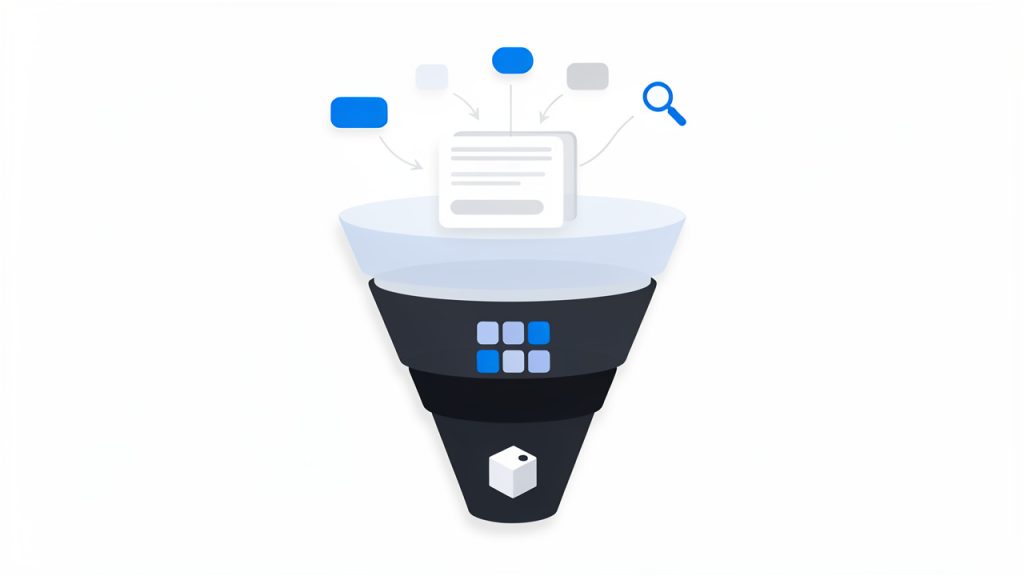
On Shopify, this means each page should have a clear role. Your homepage usually targets branded or broad category terms. Collection pages often target category-level searches. Product pages should focus on specific product names and high-intent variations. Blog content can support the rest by capturing informational searches and guiding readers toward products.
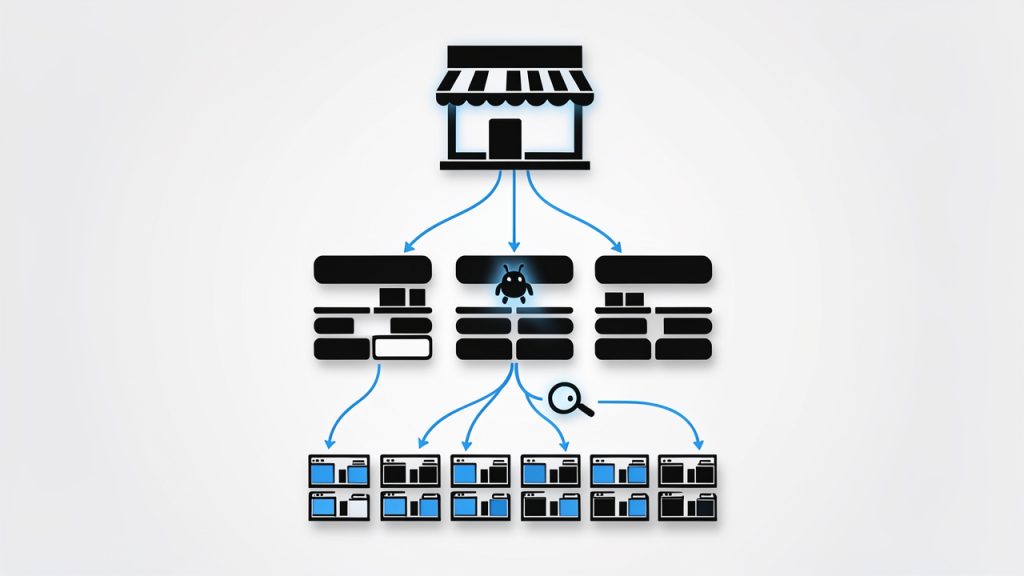
Another major aspect is site architecture. Search engines favor stores that are easy to crawl and easy to understand. If your products are buried under confusing navigation, scattered into overlapping collections, or connected with weak internal links, both users and search engines will struggle. A clean Shopify structure helps distribute authority across pages and makes it easier for search engines to discover what matters most.
A strong architecture usually starts with sensible categories and collections. Think of your store like a physical shop. If everything is tossed into random aisles, shoppers leave frustrated. If the layout is intuitive, they browse longer and buy faster. Search engines respond to that same clarity because it helps them interpret topical relevance and page relationships.
On-page optimization is another core pillar. This includes title tags, meta descriptions, headings, image alt text, page copy, and internal links. On a Shopify store, many merchants stop at adding a product title and price. That is not enough. Product pages need unique descriptions, useful details, and language that reflects how shoppers search. Collection pages also need real copy, not just a grid of products. Even a short, thoughtful introduction can help clarify the theme of the page.
Technical SEO matters too, especially on ecommerce sites where page counts grow quickly. Shopify handles some technical essentials well, but store owners still need to pay attention to crawlability, indexation, canonicalization, redirects, schema support, and site speed. Themes with heavy scripts, oversized images, and too many apps can slow down the experience, which hurts both rankings and conversions.
Content also plays a bigger role than many Shopify merchants expect. If your store only contains product and collection pages, you may be missing opportunities to rank for educational or comparison-based searches. Helpful articles, buying guides, care instructions, and use-case content can bring people into your ecosystem earlier in the buying journey. This kind of content also supports internal linking and topical authority.
User experience overlaps with SEO more than ever. Search engines increasingly reward pages that satisfy visitors. If a page loads slowly, looks cluttered on mobile, or fails to answer the query clearly, it may struggle to perform even if the keywords are present. On Shopify, design and SEO should not be treated as separate conversations. A polished theme that hides important content, or a stylish layout that slows down the site, can work against your search visibility.
The table below shows how the main parts of SEO for Shopify fit together:
| SEO Area | What It Covers | Why It Matters for Shopify Stores |
|---|---|---|
| Keyword Strategy | Search intent, product terms, category terms, content topics | Helps each page target the right audience and query type |
| Site Structure | Navigation, collections, internal linking, hierarchy | Makes the store easier to crawl and easier to shop |
| On-Page SEO | Titles, descriptions, headings, copy, alt text | Improves relevance and click-through potential |
| Technical SEO | Speed, canonicals, redirects, indexing, mobile performance | Prevents hidden issues that limit rankings |
| Content Marketing | Blog posts, guides, FAQs, educational pages | Expands reach beyond direct product searches |
| User Experience | Mobile usability, page clarity, conversion flow | Supports both rankings and sales outcomes |
How to Get Started With Shopify SEO
The best way to start is with an SEO audit of your existing store. Even a small store can accumulate avoidable issues quickly. You may have duplicate product descriptions, missing title tags, oversized images, weak collection copy, or pages that do not align with what people are searching for. Before chasing new traffic, it helps to understand what is already blocking performance.
Start by reviewing your core pages manually. Look at the homepage, top collections, best-selling products, and any blog posts already getting traffic. Ask a simple question for each page: What search intent is this page meant to serve? If the answer is unclear, the page likely needs stronger focus. SEO gets much easier when every important page has a defined purpose.
Next, build a keyword map. This does not need to be overly complicated, especially for a small business. Assign one primary keyword theme to each major page, then support it with related variations. For example, a collection page might target a category phrase, while the products inside it target specific branded or feature-based searches. The key is to avoid making multiple pages compete for the same term unless there is a very good reason.
After that, improve your on-page elements. Your title tags should be descriptive and compelling, not just stuffed with keywords. Your meta descriptions should invite clicks. Product pages should include original copy that explains benefits, features, dimensions, materials, shipping relevance, and use cases. Collection pages should have a short introduction that helps search engines understand the page and helps users confirm they are in the right place.
Images deserve more attention than they usually get. On Shopify stores, product imagery often carries both commercial and SEO value. Compress files so pages load faster, use clear filenames, and write alt text that accurately describes the image. Alt text should support accessibility first, but it can also reinforce page relevance when written naturally.
If your store has multiple collections and filtering options, pay attention to duplicate content. Shopify can generate different paths to similar pages, which can create confusion for search engines if left unmanaged. That is one reason technical review matters. Canonical signals, internal linking consistency, and careful handling of filtered or tag-based pages help keep your SEO focused.
Content creation is often the next layer of growth. Once core commercial pages are optimized, add content that answers real questions your audience has. A Shopify store selling skincare, for example, could publish guides about ingredient types, routine order, or product selection by skin concern. A furniture store could create measurement guides, styling tips, or material comparisons. This content is not just for traffic. It can move readers toward products and strengthen the authority of your store overall.
A practical starting sequence looks like this:
- Audit the store for technical, content, and structure issues.
- Map keywords to homepage, collections, products, and blog content.
- Optimize key pages with stronger titles, copy, headings, and images.
- Improve speed and mobile usability by reducing unnecessary app and media weight.
- Publish supporting content that targets informational and commercial questions.
One of the most common mistakes is trying to optimize every product page first, especially on large catalogs. That approach often burns time without creating meaningful momentum. A better strategy is to focus on the pages with the highest business impact. Usually that means your main collections, flagship products, and strongest category opportunities. Once those are performing, you can expand outward.
It is also important to set realistic expectations. SEO for Shopify is not an overnight fix. Search growth usually comes from consistent improvements compounded over time. You may see technical wins quickly, especially if there are major issues holding the site back. But most ranking gains come from better page quality, stronger internal structure, and content that proves relevance over weeks and months.
Measurement matters here. Track impressions, clicks, rankings, and conversions, not just traffic volume. More visitors are not useful if they do not buy or engage. The best Shopify SEO strategy connects search visibility to business outcomes. That means watching how optimized pages influence revenue, assisted conversions, and customer acquisition efficiency.
For developers and freelancers working on Shopify stores, there is another important layer, implementation discipline. Theme changes, app installs, template edits, and collection logic can all affect SEO. A technically sound store today can lose rankings after a redesign if redirects break, content disappears, or JavaScript bloats performance. SEO should be part of every development workflow, not a cleanup task after launch.
Conclusion
SEO for Shopify is not about gaming search engines. It is about building a store that is clear, fast, useful, and aligned with the way customers search. When keyword strategy, site structure, content, and technical health work together, your store becomes easier to discover and easier to trust.
The smartest next step is to audit your most important pages and improve them one by one. Start with your collections, best-selling products, and overall site structure. Once that foundation is solid, expand into content and deeper technical refinement. That steady approach is what turns Shopify SEO from a vague marketing task into a dependable growth channel.