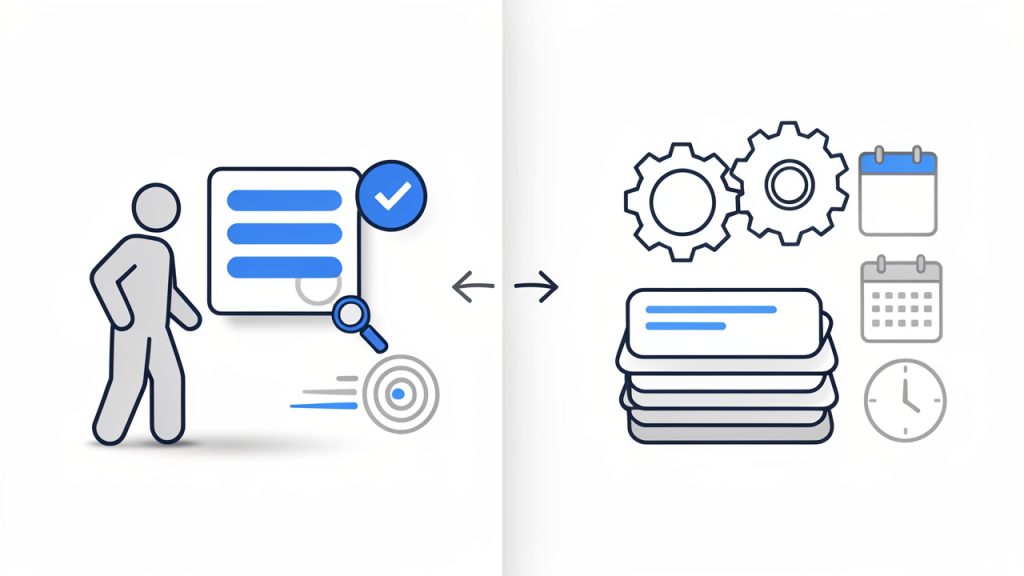
Here’s a quick, personal take on headless browsers: they run without a graphical user interface and handle loading pages, running JavaScript, and rendering content in automated environments.
In my experience, they’re faster and use fewer resources because there’s no UI to render. They also make automation easier, provide reliable, repeatable tests, and fit smoothly with CI pipelines.
You can drive them programmatically with standard tools, capture screenshots, generate PDFs, and simulate different devices or network conditions.
Common use cases I see include automated testing and regression suites for web applications, web scraping and data extraction at scale, and rendering dynamic content for SEO, previews, or documentation when JavaScript-heavy pages must be fully rendered before capture.
Definition and core concepts
Define ‘headless’ in this context and describe how headless browsers operate without a GUI.
Key use cases
Outline the main scenarios where headless browsers are beneficial.
Popular headless browser options
Survey the leading headless browsers and frameworks, with a note on maturity and ecosystems.
Headless Chrome / Chromium
Overview of using Chrome/Chromium in headless mode and common tooling (Puppeteer, Playwright).
Playwright and Puppeteer
Compare primary libraries that control headless browsers and their strengths.
Selenium in headless mode
Mention how Selenium can drive headless browsers and compatibility notes.
Choosing the right headless browser for your project
Provide criteria to select a solution based on API quality, performance, language bindings, and ecosystem.
Criteria to evaluate
List factors such as API stability, community support, and cross-platform compatibility.
When to prefer Playwright vs Puppeteer
Guidance on choosing between popular libraries depending on needs.
Getting started: a quick-start guide
Walk through a minimal setup to run a headless browser task (e.g., take a screenshot, render a page).
Install and setup
Steps to install the tooling and initialize a project.
Write a simple script
A tiny script that launches a headless browser and performs an action.
Run and verify results
How to execute and confirm the output.
Best practices and caveats
Guidance on performance, reliability, and responsible usage.
Best practices and caveats
Guidance on performance, reliability, and responsible usage.
Performance and resource usage
Tips to optimize memory and CPU when running headless tasks.
Ethical and legal considerations
Robots.txt, rate limiting, and compliance notes.
Troubleshooting and common issues
List common problems and how to diagnose and fix them.
Publishing quickly is easy. Publishing well is harder. That is why a new manual post still matters, even in a world filled with automation, templates, schedulers, and AI-assisted workflows.
For small business owners, freelancers, developers, and productivity-focused users, the manual approach can feel slower at first. But it often produces better control, cleaner messaging, and fewer costly mistakes. When you create a post manually, you are making deliberate choices about timing, tone, format, and audience relevance, instead of handing those choices off to a system that may not understand your priorities.
A post created by hand is not old-fashioned. In many cases, it is the most practical way to keep communication accurate and human. Whether you are publishing to a blog, a CMS, a forum, a project board, or a social platform, manual posting gives you a chance to review every detail before it goes live. That extra attention can protect your brand, improve clarity, and help your content perform better.
What Is a New Manual Post?
A new manual post is content that is created, formatted, reviewed, and published directly by a person rather than being auto-generated, auto-scheduled, or pulled from another system. The phrase can apply in several contexts, including blog publishing, website updates, CMS entries, community posts, marketplace listings, or internal company announcements.
At its core, a manual post is about intentional publishing. You open the editor, write the content, choose the title, check the links, confirm the formatting, and hit publish yourself. That may sound simple, but it is a meaningful distinction. Automated systems are useful for scale, while manual posting is useful for precision.
For many teams and solo professionals, a post made manually is the safer option when the information is sensitive, time-specific, or brand-critical. A product update, a pricing clarification, a client announcement, or a policy change often benefits from human review at every step. In those moments, accuracy matters more than speed.
There is also a quality advantage. Manual posts tend to reflect current context better. They can respond to a live event, a customer question, a trend in your niche, or a specific issue inside your business. That responsiveness makes content feel more relevant, and relevance is what readers notice first.
Key Aspects of a New Manual Post
Control Over Message and Tone
The strongest advantage of a post published manually is editorial control. You decide how direct, formal, helpful, or persuasive the message should be. That matters because tone is not cosmetic. It shapes trust.
A freelancer writing a client update needs a different voice than a developer posting release notes. A local business announcing new hours needs a different tone than an online store introducing a seasonal offer. Manual posting allows you to match the message to the moment, instead of relying on a generic structure that may sound flat or out of place.
This is especially important for businesses that depend on relationships. Readers can usually tell when content has been posted with care. Clear phrasing, thoughtful structure, and a natural voice all contribute to credibility.
Accuracy and Reduced Risk
Automation saves time, but it can also publish the wrong thing very efficiently. A manual workflow introduces a review step that reduces the chance of outdated details, broken formatting, missing links, or context errors.
That review step is often where quality is won or lost. A post that looks fine in draft form may contain a typo in the headline, an incorrect price, or a sentence that becomes confusing once published on mobile. Manual posting creates space to catch those issues before readers do.
For small businesses in particular, this matters more than many people realize. A single inaccurate post can create unnecessary customer support requests, damage confidence, or force a public correction. A few extra minutes spent reviewing a manual post can prevent hours of cleanup later.
Better Fit for One-Off or Timely Content
Not every post should be part of an automated content pipeline. Some messages are unique by nature. They depend on timing, nuance, and situational judgment.
A manual post is ideal when the content is tied to a real-world moment. That might include an event announcement, an urgent service notice, a product availability update, or a personal commentary piece. These posts often need custom wording because they are not just filling a slot in a schedule. They are responding to something specific.
That flexibility is valuable for productivity-minded users, too. Sometimes the fastest path is not building a system. Sometimes it is opening the editor, writing the message, and publishing it with confidence.
Human Judgment Still Matters
The case for manual posting is not really a case against tools. It is a case for using tools wisely. Templates, checklists, grammar assistants, and scheduling platforms can all improve workflow, but human judgment is still what makes a post effective.
A person understands subtext. A person notices whether a sentence sounds too cold, too vague, or too promotional. A person can ask, “If I were the reader, would this make sense immediately?” That kind of judgment is difficult to automate well, especially when audience expectations change quickly.
This is why many high-performing teams use a hybrid model. They automate repetitive tasks and keep final publishing decisions manual when quality matters most. That approach combines efficiency with oversight, which is often the smartest balance.
SEO and Discoverability Considerations
From an SEO perspective, a manually created post can be stronger because it is usually more focused. You can tailor the title, headings, internal links, and keyword usage to a clear intent rather than relying on a mass-produced format.
If your goal is to rank for searches related to a new manual post, the wording should feel natural and useful. Search engines increasingly reward content that reads like it was written for people first. That means clarity, relevance, and topical depth all matter more than awkward repetition.
A good manual post typically has a cleaner structure as well. You can refine headings, tighten the introduction, improve scannability, and remove filler before publishing. Those edits may seem small, but together they improve both user experience and search performance.
How to Get Started with a New Manual Post
Start With Purpose, Not Format
Before writing a post manually, define the goal. Ask what the post needs to accomplish. Is it meant to inform, persuade, update, clarify, or drive action? The answer shapes everything that follows, from headline style to call to action.
Many weak posts fail because they begin with format instead of purpose. Someone decides to “publish something” without deciding what the reader should understand or do afterward. Manual posting works best when the objective is clear from the beginning.
Think of the post as a conversation with one specific person. A small business owner might picture a customer who needs reassurance. A freelancer might picture a prospect comparing service providers. A developer might picture a user looking for accurate implementation details. That mental clarity improves writing immediately.
Build a Simple Manual Workflow
You do not need a complicated system to publish consistently. You need a repeatable one. A basic workflow helps you move faster without sacrificing quality.
A practical starting process looks like this:
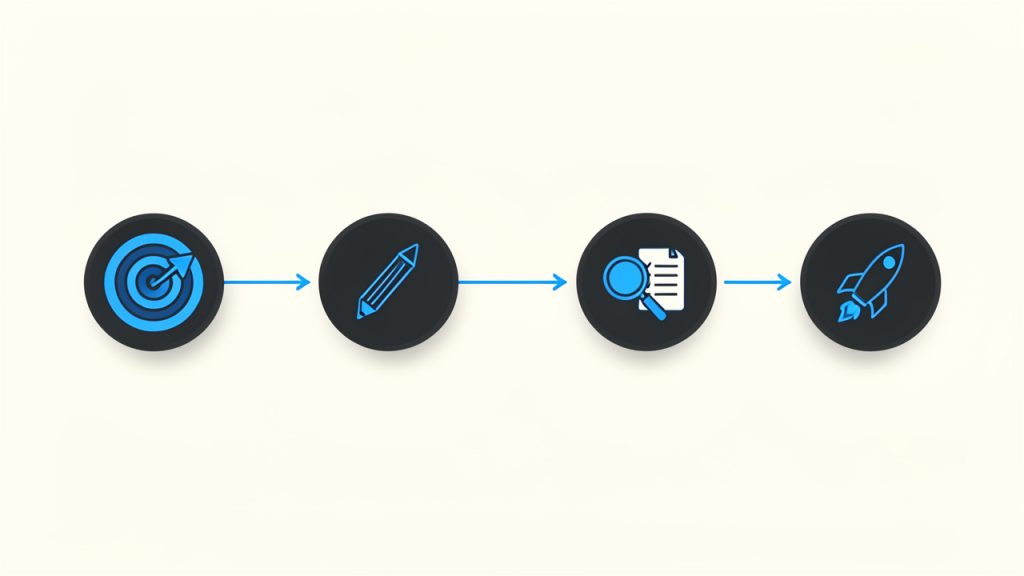
Define the goal: Decide what the post should achieve.
Draft the message: Write clearly, with the audience in mind.
Review details: Check facts, links, dates, formatting, and tone.
Publish and verify: Confirm the live version looks correct on desktop and mobile.
This kind of lightweight process is especially useful for solo operators and lean teams. It keeps the work organized without turning publishing into a bureaucratic task.
Focus on Clarity First
When creating a post manually, clarity should come before cleverness. Readers rarely reward vague language, overloaded introductions, or headlines that hide the point. They respond to content that tells them quickly why it matters.
That means using direct wording, short paragraphs, and a logical structure. Put the most important information early. If there is an action the reader should take, state it plainly. If there is a deadline, include it where it cannot be missed.
This is one reason manual posting remains effective. It encourages active editing. You are more likely to notice cluttered phrasing and remove it when you are handling the content yourself from draft to publication.
Create a Practical Pre-Publish Check
A manual process becomes much stronger when it includes a short review habit. Not a complex editorial framework, just a fast final check before publishing.
Use these essentials:
Headline: Is it clear and accurate?
Details: Are names, dates, prices, and links correct?
Formatting: Does it read cleanly on screen?
Action: Is the next step obvious to the reader?
This simple checkpoint is enough to catch most common publishing errors. Over time, it also trains you to write cleaner first drafts because you start anticipating the review process as you work.
Know When Manual Is the Best Choice
Not every piece of content needs to be posted by hand, but some absolutely should be. A useful way to decide is to compare the risk of error with the value of speed.
Here is a practical comparison:
Content Type
Best Approach
Why
Routine evergreen updates
Automated or scheduled
Efficient when content changes little
Product announcements
Manual
Accuracy and tone matter
Time-sensitive service alerts
Manual
Requires context and careful wording
Bulk promotional campaigns
Automated with review
Better for scale, but still needs oversight
Personal brand posts
Manual
Human voice is a competitive advantage
Internal knowledge base updates
Mixed approach
Depends on frequency and importance
The point is not to choose one method forever. It is to use manual posting where it creates the most value.
Improve With Each Post
The real strength of a manual approach is that it teaches you. Every post gives feedback. You start seeing which headlines get attention, which structures keep readers engaged, and which messages create confusion.
That learning loop is powerful. It turns publishing into a skill rather than a task. Over time, your posts become easier to write because you understand your audience better. You develop instincts for what to say, how much context to include, and where readers are likely to hesitate.
For freelancers and small business owners, this can become a competitive edge. Better manual posts often lead to better communication overall, including proposals, landing pages, client emails, and product messaging.
Conclusion
A new manual post is more than content entered by hand. It is a deliberate publishing choice that prioritizes accuracy, relevance, and human judgment. In the right situations, manual posting leads to stronger messaging, fewer mistakes, and a better experience for the reader.
If you want to get started, keep the process simple. Define the goal, write clearly, review carefully, and publish with intention. That habit alone can improve the quality of your content and the trust your audience places in it. The next step is straightforward: create your next post manually, pay attention to the results, and refine your workflow from there.
Posting online should be simple, but it rarely feels that way when every platform pushes automation, scheduling, and one-click publishing. For many small business owners, freelancers, developers, and productivity-focused users, there is still real value in creating a manual post by hand. It offers control, clarity, and a chance to shape each message with intention, instead of relying on presets or bulk workflows.
That matters more than it may seem. A manually created post is often where quality shows up first, whether you are publishing a blog update, writing a forum entry, sharing a product announcement, or adding content to a CMS. When you slow down long enough to craft the post yourself, you usually catch weak wording, broken formatting, and missing context before your audience does.
This guide breaks down what a manual post actually is, why it still matters, and how to use it effectively without turning your workflow into a time sink. If you want better content with fewer mistakes and more control over the final result, manual posting is worth understanding.
What a manual post is
A manual post is content created and published directly by a person, rather than generated, imported, duplicated, or automated by a tool. The phrase can apply across many platforms. In a website CMS, it may mean opening the editor and writing a fresh article from scratch. In social media, it can mean composing a post directly instead of pulling from a queue. In internal tools, forums, and marketplace systems, it often means entering content manually, field by field.
The defining trait is not the platform, it is the method of creation. A manual post is intentional. Someone decides on the title, body, formatting, links, media, and publishing timing in real time. That gives the creator full editorial control, which is often the difference between content that feels generic and content that feels relevant.
For businesses and independent professionals, this approach has a practical advantage. Manual posting reduces the risk of publishing something outdated, mistimed, or poorly matched to the audience. Automation is powerful, but it works best when paired with judgment. A hand-built post brings that judgment into the process from the start.
Why the term matters in different contexts
The meaning of a manually created post can shift slightly depending on where you encounter it. In blogging platforms, it usually refers to a newly created article or update entered directly into the editor. In ecommerce systems, it may mean manually adding an announcement, listing, or update without syncing from another source. In community platforms, it can mean a fresh discussion thread started by a user.
That flexibility is important because many readers search for the phrase without a single platform in mind. They are often trying to understand whether they should create content manually or let software handle the process. The answer depends on the goal. If precision, timing, and message quality matter, manual posting remains the stronger option.
Manual posting versus automated publishing
Automated publishing is built for scale. It saves time, keeps calendars moving, and helps teams maintain consistency. A manual post is built for accuracy and relevance. It lets you adapt your wording to the moment, respond to recent changes, and tailor the message to a specific audience or channel.
Neither approach is inherently better in every situation. The real distinction is in trade-offs. Automation improves speed, while manual posting improves oversight. If you are announcing a feature update, responding to customer feedback, or sharing a time-sensitive message, the manual route often produces better results.
Key aspects of manual posting
The value of a manually created post comes down to several core qualities. These are not just abstract benefits. They affect how your content performs, how your audience perceives you, and how much cleanup you need to do after publishing.
Control over message and tone
One of the strongest advantages of manual posting is editorial control. You decide exactly how the message sounds, what details to emphasize, and what action you want the reader to take. That control is especially useful for brands and professionals who care about voice, credibility, and nuance.
A scheduled or templated post can sound efficient but flat. A manually written post can reflect current context, customer concerns, or industry changes. That makes it more likely to feel timely and human. Readers may not consciously think, “This was carefully written,” but they often respond better when a message feels direct and considered.
Better accuracy and fewer publishing errors
Errors tend to appear where workflows become too automatic. The wrong link, an old screenshot, an outdated CTA, or a title that no longer fits can all slip through when content is pushed live without review. A manually created post creates a natural checkpoint. Because the content is being assembled intentionally, the creator is more likely to verify the details before hitting publish.
This matters for more than grammar. Accuracy affects trust. A single incorrect date or broken URL can weaken the impact of an otherwise good post. Manual creation gives you the chance to catch those issues while they are still small.
Flexibility across platforms
A manually created post adapts well to different environments. You can shorten it for social, expand it for a blog, or adjust the structure for a product page, community board, or email update. That flexibility is useful for users who work across multiple systems and do not want every message forced into the same template.
For small teams especially, this can be more efficient than it sounds. Instead of fighting the limits of automation tools, you create the right version for the right channel. The work feels more direct because it is shaped around the audience rather than around the software.
Stronger quality for high-value content
Not every piece of content deserves deep manual effort, but high-impact posts usually do. A launch announcement, service update, pricing change, customer-facing clarification, or thought leadership post should not feel rushed. These are the moments when a manual post has the greatest value.
Think of it like handwriting an important note instead of sending a generic form letter. The extra care changes how the message lands. In digital publishing, that care often shows up in tighter structure, clearer wording, and more useful context.
Time cost and workflow considerations
Manual posting is not perfect. It takes longer, requires attention, and can become inefficient if used for everything. If you publish high volumes of repetitive content, creating each post manually may slow your team down and introduce inconsistency.
The smartest approach is usually selective. Use manual posting where message quality, precision, or timing matter most. Use automation for routine publishing where the stakes are lower. That balance helps you protect quality without overwhelming your workflow.
Scenario
Manual post
Automated post
Product or service announcement
Best for accuracy and tone control
Risk of sounding generic or outdated
Routine promotional content
Can be effective but time-intensive
Best for scale and consistency
Customer response or clarification
Best for relevance and nuance
Often too rigid
Multi-channel campaign adaptation
Strong if each version needs tailoring
Useful if platforms need identical messaging
Time-sensitive updates
Best when human review is essential
Helpful only if pre-approved carefully
How to get started with manual posting
Getting started with manual posting does not require a complicated system. What it does require is a simple process that protects clarity and reduces avoidable mistakes. The goal is not to make posting slower, the goal is to make it more deliberate.
Start with purpose, not format
Before writing anything, define what the post needs to accomplish. Are you informing, persuading, updating, explaining, or inviting action? Too many posts begin with the editor open and no clear objective. That usually leads to filler, vague openings, and weak calls to action.
When your purpose is clear, decisions become easier. You know what tone to use, what details matter, and what the reader should remember. A strong manual post starts with a simple question, what should this post do for the audience right now?
Build the core message first
Once the purpose is clear, draft the main message in plain language. Avoid polishing too early. Focus on the substance first. What happened? Why does it matter? What should the reader do next? If you can answer those three questions clearly, the rest of the post becomes easier to shape.
This approach is useful because manual posting can tempt people into over-editing the surface before the core idea is strong. Think of the post like a storefront sign. If the message is unclear from a distance, better decoration will not fix it.
Use a simple publishing workflow
A lightweight workflow keeps manual posting efficient. You do not need a complex editorial stack if the content is straightforward. In most cases, the process can stay simple.
A practical four-step routine works well for most small teams and solo creators:
Define the goal of the post.
Draft the message in plain, direct language.
Review for accuracy, including links, dates, names, and formatting.
Publish and monitor audience response or engagement.
This kind of structure creates consistency without removing flexibility. It also helps prevent the common problem of treating every post like a one-off task with no quality check.
Focus on readability and structure
A manual post should be easy to scan and easy to understand. That means using clear headings where appropriate, short paragraphs, and a logical flow from opening to action. Readers often decide within seconds whether a post is worth their time. Dense formatting and vague openings make that decision easy in the wrong direction.
Clarity also improves performance. Whether your audience is reading a blog article, platform announcement, or community update, they are more likely to engage when the structure helps them find meaning quickly. Good manual posting is not only about writing better, it is also about presenting information in a way that respects attention.
Check context before publishing
One of the biggest advantages of creating a post manually is that you can align it with the current moment. Use that advantage. Before publishing, ask whether anything has changed since the draft began. Has the timeline shifted? Has a feature changed? Has customer sentiment moved? Is the audience likely to interpret the message differently today than they would have yesterday?
That final context check is where many manually written posts become noticeably stronger than automated ones. The content feels current because it is current. Even a small update to wording can make the difference between a post that feels canned and one that feels genuinely useful.
Know when manual is the right choice
Not every post needs to be manually created from scratch. The best candidates are posts with high visibility, sensitive information, changing details, or audience-specific nuance. If the content affects trust, understanding, or decision-making, manual creation is usually worth the extra effort.
A helpful rule is to think in terms of risk. If publishing the wrong version would cause confusion, embarrassment, or missed opportunity, choose the manual route. If the message is routine and stable, automation may be perfectly fine.
Conclusion
A manual post is more than a basic publishing action, it is a deliberate way to create content with stronger accuracy, clearer intent, and better alignment with your audience. In a digital environment that often rewards speed over substance, manual posting remains one of the simplest ways to protect quality.
If you want to get more value from it, start small. Use manual posting for your most important updates first, then build a repeatable process around what works. That next step gives you the best of both worlds, content that feels human and thoughtful, without making your workflow unnecessarily heavy.