JNTZN

Tag: image export

  • How to Convert a PDF to JPG Quickly and Safely

    Turning a PDF into a JPG sounds trivial until you actually need it done fast. A client wants a preview image, a product catalog needs social-ready visuals, or you just need one page from a document as an image you can drop into an email, slide deck, or website. That is when a simple file conversion becomes a real productivity task.

    For small business owners, freelancers, developers, and anyone who works across documents and visuals, converting a PDF to a JPG is less about file formats and more about speed, compatibility, and presentation. The right approach saves time, preserves quality, and helps you avoid the familiar problems of blurry images, oversized files, and formatting that falls apart on different devices.

    What is converting a PDF to a JPG?

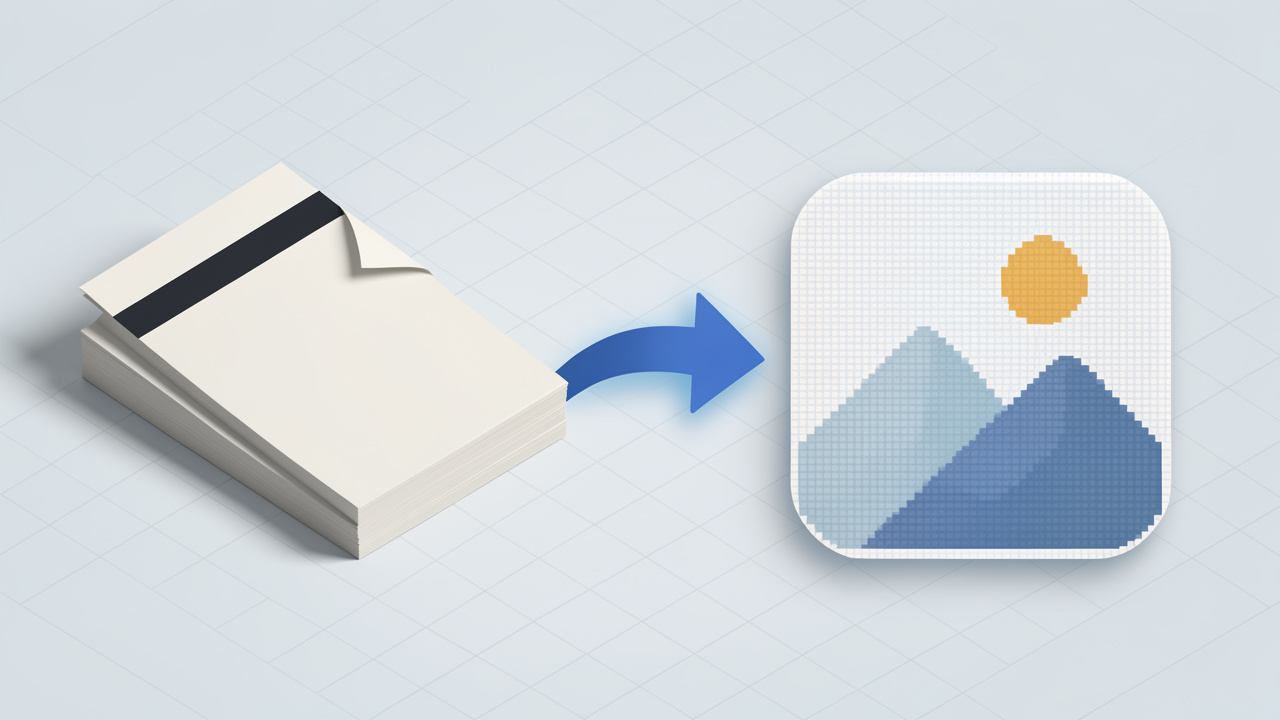
    A conversion from a PDF to a JPG turns one or more pages of a PDF document into image files in JPG format. Instead of sharing the original document as a multi-page file, you extract each page as a standalone image that can be viewed almost anywhere.

    This is useful because PDFs and JPGs serve different purposes. A PDF is built for structured documents. It preserves layout, text positioning, and page formatting. A JPG, on the other hand, is ideal for quick viewing, simple sharing, website previews, and image-based workflows. If a PDF is like a finished brochure in a folder, a JPG is like a photo of that brochure you can post, message, or embed with ease.

    In practical terms, converting a PDF to a JPG often means making content more flexible. A designer may want page previews for approval. A consultant might need to upload a document page to a platform that only accepts images. An online seller may convert product sheets into images for marketplaces or social platforms. The goal is not just conversion, but usable output.

    Why people convert PDFs to JPGs

    The most common reason is compatibility. Almost every device, browser, messaging app, and content platform handles JPG files without friction. While PDFs are widely supported, they still require a viewer or in-app rendering. JPGs remove that extra step.

    Another major reason is visual presentation. If you want to show a specific page from a PDF in a blog post, landing page, presentation, or thumbnail, an image is often the better format. It is faster to preview and easier to place in visual content.

    There is also the convenience factor. Sometimes you do not need an editable or printable document. You just need a page snapshot. In those cases, converting a PDF page to a JPG is the fastest path from document to deliverable.

    PDF vs JPG at a glance

    Format Best For Strengths Limitations
    PDF Documents, forms, reports, contracts Preserves layout, supports multiple pages, print-friendly Less flexible for visual sharing, not ideal for image-only platforms
    JPG Previews, web images, quick sharing, social posts Widely supported, lightweight, easy to embed and upload Loses document structure, lower quality if overly compressed

    Key aspects of converting a PDF to a JPG

    A good conversion is not just about getting an image file. It is about balancing quality, size, readability, and purpose. That balance matters more than many users realize.

    Image quality and resolution

    When you convert a PDF to a JPG, resolution is one of the biggest variables. A low-resolution export may be fine for email previews or simple web use, but it can make text look fuzzy and graphics appear soft. A higher-resolution export produces a sharper result, especially for print or zoom-heavy viewing, but it also creates larger files.

    This matters if your PDF contains small text, charts, signatures, or detailed diagrams. A brochure with large headlines may survive heavy compression. A financial report with tiny numbers will not. The best output depends on what the image is for, not just what looks acceptable at first glance.

    If you are creating images for websites, smaller sizes can improve page speed. If you are preparing visuals for client review or archival reference, preserving detail should take priority. In other words, context decides quality settings.

    Single-page vs multi-page conversion

    A PDF can contain one page or hundreds. When converting to JPG, each page typically becomes a separate image file. That is useful, but it can also create clutter if you are not organized.

    For short files, this is straightforward. For long documents, naming conventions matter. A clean output like report-page-01.jpg, report-page-02.jpg, and so on is much easier to work with than a folder full of randomly labeled image files. If you frequently convert multi-page PDFs, it helps to choose a tool or workflow that handles batch exports well.

    This is especially relevant for agencies, legal teams, virtual assistants, and ecommerce operations where documents move through repetitive workflows. A conversion that is technically successful but poorly organized still costs time.

    Compression and file size

    JPG is a compressed image format. That is one reason it is so widely used, but compression comes with trade-offs. The more aggressively a JPG is compressed, the smaller the file becomes and the more quality it may lose.

    For image-heavy pages such as brochures, catalogs, or scanned forms, this trade-off can be acceptable. For text-heavy pages, over-compression often creates artifacts around letters, making the image look cheap or difficult to read. If the document page includes branding, logos, or product visuals, poor compression can also weaken your professional presentation.

    A smart approach is to match compression to purpose. Use lighter compression for anything customer-facing or detail-sensitive. Use stronger compression when speed and file size matter more than perfect clarity.

    Text, graphics, and scanned documents

    Not all PDFs behave the same way. A digitally created PDF usually contains sharp vector text and graphics. A scanned PDF is often just a series of page images wrapped in PDF format. The result is that conversion quality can vary based on the source.

    If your PDF started as a clean digital file, converting it to a JPG can produce crisp results if the resolution is high enough. If the PDF is a scan, you are already working from an image source, so the conversion may reveal imperfections such as shadows, skewed pages, or low original scan quality.

    This is where expectations matter. Converting a poor scan into a JPG will not magically improve it. The cleaner the original PDF, the better the final image tends to be.

    Privacy and security

    This is one of the most important considerations, especially for business users. Many people use online tools to convert a PDF to a JPG because they are fast and convenient. That works well for public or low-risk files. It is a different story if the PDF contains contracts, invoices, customer records, internal reports, or legal documents.

    Before using any online converter, think about the sensitivity of the file. If privacy matters, local desktop tools or secure internal workflows are usually the safer choice. Convenience is valuable, but not if it puts confidential information at risk.

    For freelancers and small teams, this is not just an IT concern. It is a client trust issue. Handling documents responsibly is part of professional credibility.

    How to get started converting PDFs to JPGs

    If you are new to converting PDFs into images, the process is simple once you know what to look for. The best starting point is to identify your actual use case. Are you creating web previews, sharing a one-page visual, archiving content, or preparing images for print? That answer will shape the settings you need.

    Choose the right method

    There are several ways to convert a PDF to a JPG, and each fits a different type of user. Online converters are the fastest for occasional jobs. Built-in export tools in design or document software are useful if you already work inside those apps. Desktop utilities are often better for batch conversions, privacy-sensitive files, and more control over resolution.

    For many users, the right method is the one that removes friction without sacrificing output quality. If you only convert a file once a month, a browser-based tool may be perfect. If you process dozens of files a week, a repeatable desktop workflow is usually more efficient.

    A simple starting workflow

    If you want a reliable process, keep it straightforward:

    1. Select the PDF you want to convert.
    2. Choose whether to export all pages or specific pages.
    3. Set the image quality or resolution based on your intended use.
    4. Convert and review the output before sharing or publishing.

    That last step matters. Always check at least one exported JPG at full size. Text clarity, page cropping, color shifts, and file naming issues are easier to fix immediately than after the files are sent to a client or uploaded to a website.

    Match the output to the use case

    A common mistake is using the same settings for every job. A JPG intended for a social preview should not be treated the same way as a page image meant for documentation or print support.

    For web use, the priority is usually fast loading and reasonable clarity. For internal review, moderate resolution often works well. For high-detail visuals, especially if text must remain readable, choose a higher-quality export. This does increase file size, but the trade-off is often worth it.

    Here is a practical way to think about it:

    Use Case Recommended Priority What to Watch For
    Website preview Smaller file size and fast load time Avoid making text too blurry
    Client approval Clear visuals and balanced compression Preserve branding and layout accuracy
    Social sharing Good appearance on mobile screens Crop or resize if page proportions look awkward
    Archival reference Readability and consistent page naming Keep files organized for later retrieval

    Common problems and how to avoid them

    Blurry output is one of the biggest complaints. In most cases, the cause is low resolution or excessive compression. If the JPG looks soft, start by increasing export quality before assuming the tool is broken.

    Another issue is unexpected file size. High-quality image exports from multi-page PDFs can create very large folders. If storage or upload speed becomes a problem, reduce quality slightly and test again. The goal is not maximum quality at all costs, but the right quality for the task.

    Users also run into problems with page boundaries. Sometimes the exported image includes odd margins, clipped edges, or background artifacts. This can happen with scanned documents or unusual page settings in the source file. A quick review step catches these issues early.

    Best practices for business and productivity workflows

    If converting PDFs to JPGs is part of your regular work, consistency matters more than speed alone. Save files into clearly named folders. Use predictable naming patterns. Keep a simple rule for low, medium, and high-quality exports so you do not have to rethink settings every time.

    For teams, a shared standard is even better. If one person exports huge files and another exports unreadable ones, the workflow becomes messy fast. A lightweight process improves collaboration, especially when files move between admin staff, designers, marketers, or developers.

    Developers and technical users may also care about automation, but even without scripting, the same principle applies. Repeatable steps reduce errors. That is the real productivity gain.

    Conclusion

    Converting a PDF to a JPG is a small task with surprisingly big practical value. It helps you make document content easier to share, easier to display, and easier to use across websites, emails, presentations, and visual workflows. The key is understanding that not all conversions are equal. Quality, compression, privacy, and organization all affect the final result.

    If you need to get started, begin with one question: What do you need the JPG for? Once you know that, the right settings become much clearer. Choose a method that fits your workflow, export with the appropriate quality, and always review the result before sending it on. That simple habit turns a basic file conversion into a smoother, more professional process.
  • How to Convert a PDF to PNG for Sharp, Shareable Images

    How to Convert a PDF to PNG for Sharp, Shareable Images

    Turning a PDF into a PNG sounds simple, until you actually need to do it well. Maybe you want to pull a page from a proposal for a presentation, share a document preview on social media, send a clean image to a client, or extract a form without asking someone to open a PDF viewer. That is where converting PDF to PNG becomes genuinely useful, not just convenient.

    For small business owners, freelancers, developers, and productivity-focused users, this conversion solves a very practical problem. PDFs are great for preserving layout and formatting, but they are not always the easiest format to preview, embed, annotate, or reuse. PNG files, on the other hand, are image-based, widely supported, and ideal when visual consistency matters. Understanding when and how to convert a PDF into a PNG can save time, reduce friction, and make your files much easier to work with.

    What Is PDF to PNG?

    At its core, converting a PDF to a PNG means taking one or more pages from a Portable Document Format file and exporting them as image files in the PNG format. Instead of a document with selectable text, embedded fonts, and multiple pages, you end up with a flat image representation of each page.

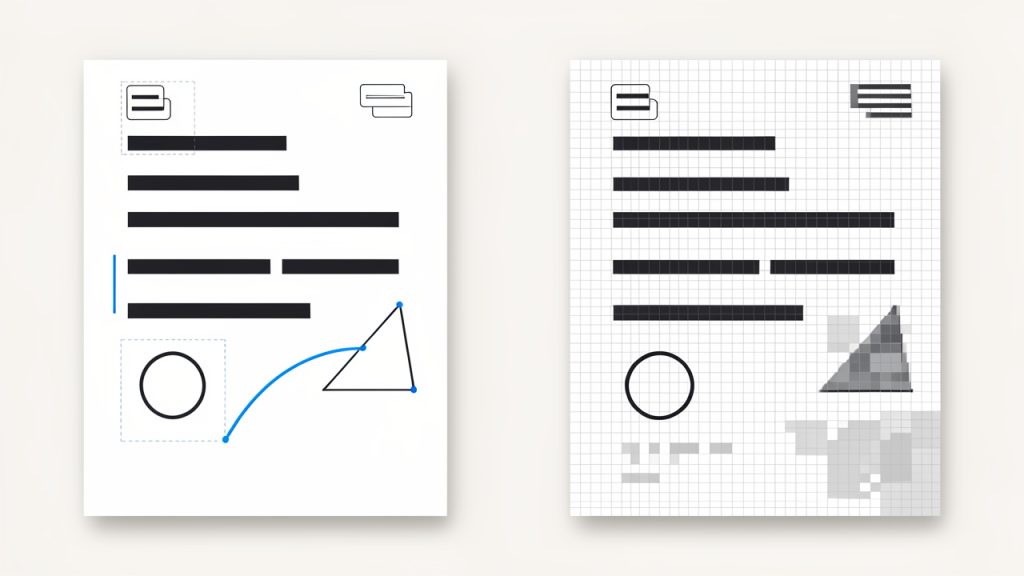
    That distinction matters. A PDF is built for structured documents. It can contain text layers, vector graphics, links, forms, and multiple pages in one file. A PNG is an image format designed for high-quality raster graphics, especially when you need sharp lines, transparent backgrounds, or lossless compression. When you convert from PDF to PNG, you are essentially transforming a document into a visual snapshot.

    Side-by-side comparison: left shows a PDF page with selectable text, vector shapes, multiple layers; right shows the same page flattened into a PNG raster image

    This is especially useful when the goal is display, not editing. If you are uploading a document preview to a website, sharing a single page in a chat app, using a page inside a design mockup, or preserving a specific layout exactly as it appears, PNG is often the better output format. It gives you a clean, fixed image that looks the same across devices and platforms.

    Why People Convert PDFs Into PNG Images

    In everyday workflows, people usually convert PDF files to PNG because they need accessibility and flexibility. A PDF may require a dedicated viewer, while a PNG opens almost anywhere instantly. For a busy freelancer sending proofs to a client, or a business owner posting a menu, flyer, or invoice preview online, that difference is meaningful.

    There is also a visual advantage. PNG uses lossless compression, which means image quality is preserved better than with formats like JPG, especially for text-heavy pages, diagrams, logos, and interface screenshots. If your PDF contains crisp typography, tables, branding elements, or line art, PNG often produces a cleaner result.

    Developers and digital teams also use PDF-to-PNG conversion in automated workflows. They may generate page thumbnails, create document previews in web apps, archive visual versions of reports, or process user uploads into image-friendly formats. In those cases, the conversion is not just a convenience feature, it becomes part of a larger document handling system.

    PDF vs PNG at a Glance

    Format Best For Strengths Limitations
    PDF Documents, forms, reports, printable files Multi-page support, selectable text, layout preservation, compact structure Less convenient for quick visual sharing or image-based workflows
    PNG Page previews, graphics, screenshots, web use Lossless quality, broad compatibility, sharp text and graphics Single-image format, larger file sizes than some compressed alternatives

    Key Aspects of PDF to PNG

    A good PDF-to-PNG conversion is not just about pressing a button. The quality of the output depends on several factors, and knowing them helps you avoid blurry pages, oversized files, and frustrating results.

    Image Quality and Resolution

    The first major factor is resolution, usually measured in DPI, or dots per inch. A low-resolution PNG might be fine for quick previews or on-screen sharing, but it can look soft when zoomed in or reused in print. Higher DPI settings produce sharper images, which is ideal for documents with small text, charts, or design details.

    The trade-off is file size. A 72 DPI export may load quickly and work well for a lightweight web preview, while a 300 DPI export can look significantly sharper but create much larger PNG files. The right choice depends on how the image will be used. If the PNG is for internal sharing, speed may matter more. If it is for a portfolio, presentation, or design review, clarity usually wins.

    Low vs high DPI: left low resolution appears soft and blurry, right high resolution looks crisp, with filesize indicators

    This is one of the most common mistakes people make. They assume all conversions are equal. They are not. The same PDF page exported at different resolutions can look dramatically different, especially when text or thin lines are involved.

    Single Page vs Multi-Page Conversion

    Another key aspect is how the tool handles multiple pages. Since a PNG is an image file, each PDF page typically becomes a separate PNG. If you have a 10-page PDF, you will usually get 10 image files after conversion.

    That sounds obvious, but it affects workflow. If you only need one page, choose a tool that lets you extract or convert selected pages rather than the entire document. This keeps file management simpler and avoids unnecessary clutter. For business users handling contracts, presentations, or scanned reports, page selection can save time quickly.

    For developers or teams automating this process, file naming also matters. Well-structured output, such as page-1.png, page-2.png, and so on, makes integration much easier in content systems and cloud workflows.

    Transparency, Backgrounds, and Visual Fidelity

    PNG supports transparency, which can be useful in some conversions, but not all PDF-to-PNG tools handle this the same way. If your PDF includes transparent elements, layered artwork, or vector graphics, the output may vary depending on the converter used.

    In many cases, PDFs are exported with a white background because they are document-based rather than image-based. Still, if you are working with logos, illustrations, or design files saved as PDF, preserving transparency can be important. This is especially true for marketers, designers, and online sellers who need flexible image assets.

    Visual fidelity also includes font rendering, line sharpness, and spacing accuracy. Better conversion tools preserve these details more reliably. Weak tools may flatten the page poorly, distort fonts, or create jagged edges around text and graphics.

    File Size and Performance

    PNG is excellent for quality, but it is not always the smallest format. If you convert a high-resolution PDF page into PNG, the result can be large, especially if the original page contains images, gradients, or complex layouts.

    For websites, dashboards, or apps, this affects loading speed. For email and cloud sharing, it affects convenience. A high-quality PNG is useful, but if the file is too heavy for the task, it becomes inefficient. That is why many users should think in terms of purpose, not just maximum quality.

    If the priority is crisp text and faithful reproduction, PNG is a strong choice. If the priority is minimum file size, another format might be more practical. Still, for sharp document previews and reusable visual assets, PNG remains one of the most dependable options.

    How to Get Started with PDF to PNG

    Getting started is usually straightforward, but choosing the right approach depends on your workflow, privacy needs, and quality expectations. Some users prefer a quick online converter. Others want offline tools for sensitive files. The best method is the one that fits the job without adding unnecessary steps.

    Choosing the Right Conversion Method

    Online tools are often the fastest place to start. You upload a PDF, select output settings if available, and download one or more PNG files. This works well for occasional use, especially when speed matters and the document is not confidential.

    Offline tools are better when privacy, control, or batch processing is important. If you are handling invoices, legal files, HR forms, internal reports, or client documents, keeping everything local may be the smarter choice. Many desktop applications and built-in operating system tools can convert PDFs into images without sending files to a third-party service.

    Developers and advanced users may prefer command-line or API-based solutions for automation. That route makes sense if you routinely generate previews, process uploaded PDFs, or build conversion into a larger system. It is not necessary for everyone, but it becomes valuable at scale.

    A Simple Start for Most Users

    1. Choose your PDF file and decide whether you need all pages or just specific ones.
    2. Set the output quality based on use, lower for quick previews, higher for readability and detail.
    3. Convert and review the PNG files closely, especially text sharpness and page alignment.
    4. Rename and organize the output if the PDF contains multiple pages.

    That review step is more important than many people realize. A converted image may technically work while still looking poor. Zoom in. Check the text. Make sure charts, signatures, logos, and margins appear the way you expect. If they do not, try a higher resolution or a more capable converter.

    Best Practices for Better Results

    If the PDF contains small text, technical diagrams, or branding details, export at a higher resolution from the beginning. This reduces the chance of fuzzy output and saves you from having to convert the file again. For client-facing work, quality should be intentional, not accidental.

    It also helps to think about page dimensions before converting. A portrait PDF page becomes a tall image. A landscape report becomes a wide one. If the PNG is intended for a website, mobile display, or social platform, plan for how the image will actually be viewed. A technically accurate conversion is not always the same as a usable one.

    For scanned PDFs, the source quality matters as much as the conversion tool. If the original scan is blurry, noisy, or crooked, converting it to PNG will not magically improve it. It may preserve the problem in a more shareable format, but it will not fix the underlying quality. In those cases, image cleanup or rescanning may be necessary.

    Which Option Fits Your Use Case?

    Use Case Best Approach Why It Works
    Quick one-time conversion Online converter Fast and convenient for non-sensitive files
    Client or business documents Offline desktop tool Better privacy and more control over output
    Website previews PNG export at web-friendly resolution Balances readability and performance
    Batch workflows or apps Automated or developer-focused solution Efficient for repeated conversions at scale

    Common Problems and How to Avoid Them

    Blurry output is the most common complaint. In most cases, the issue is low resolution. If your converted PNG looks soft, especially around text, increase the DPI or choose a tool that gives you better control over image quality.

    Another issue is oversized files. This usually happens when users export every page at very high resolution without considering the final purpose. If the image is only meant for screen viewing, you probably do not need print-level quality. Matching the resolution to the use case makes the output much more practical.

    Formatting errors can also occur, particularly with complex PDFs that include unusual fonts, transparency effects, or layered design elements. If a page renders incorrectly, try another conversion tool. Different engines handle PDFs differently, and one tool may preserve the layout far better than another.

    Conclusion

    Converting a PDF to PNG is one of those small tasks that can make a big difference in everyday work. It turns rigid documents into flexible image assets that are easier to preview, share, embed, and reuse. For business owners, freelancers, and digital teams, that means smoother communication and fewer format-related bottlenecks.

    The best results come from choosing the right method, paying attention to resolution, and matching output quality to the actual job. If you only need a quick page preview, keep it simple. If the file is client-facing or part of a professional workflow, take a moment to optimize the conversion properly. Your next step is straightforward: pick a PDF, decide how you plan to use the image, and convert it with quality in mind.

    If you need a quick way to embed or preview converted images inside a web workflow, consider tools that generate ready-to-use assets for web pages and apps.