
JNTZN

Tag: Mobile SEO

  • Technical SEO: A Practical Guide for Small Sites

    Technical SEO: A Practical Guide for Small Sites

    Technical SEO is often the difference between a website that could rank and a website that actually does. You can publish great content, write compelling sales copy, and build a strong brand, but if search engines struggle to crawl, understand, or index your pages, your visibility will stall before your strategy even has a chance to work.

    For small business owners, freelancers, and developers, that reality can feel frustrating. Technical SEO sounds intimidating, and many guides make it seem like you need an engineering team to fix anything. In practice, the foundation is simpler than it looks. Once you understand how your site is discovered, rendered, indexed, and measured, technical search optimization becomes much more manageable.

    What Is Technical SEO?

    Technical SEO is the part of search engine optimization that focuses on how well a website is built for search engines to access and process. It is less about writing keywords into page copy and more about making sure your site can be crawled efficiently, loaded quickly, understood clearly, and served securely.

    A useful way to think about technical SEO is to compare it to a storefront. Your branding, products, and sales messaging are what customers see when they walk in. Technical SEO is the lighting, the door, the floor plan, and the signage outside. If the entrance is blocked, the lights flicker, and no one can find the address, even a great business inside will underperform.

    A storefront analogy: two side-by-side shop fronts. Left: blocked entrance, poor signage, flickering lights, cluttered interior (represents bad technical SEO). Right: clear door, bright lighting, visible address, tidy interior with customers (represents good technical SEO).

    At its core, technical search optimization helps search engines answer four essential questions about your site. Can they find your pages? Can they access them reliably? Can they understand what those pages are about? And can they trust the experience enough to show them to users? When the answer is yes, your content has a much better chance of ranking.

    A simple flow diagram showing how search engines discover and process pages: discovery (sitemap + links) → crawl (bot follows links, fetches resources) → render (browser/JS rendering) → index (content stored with metadata) → serve in search results. Include icons for sitemap, robots.txt, search bot, browser window, and index/database.

    This is why technical SEO matters for more than large enterprises. A local service business, a portfolio site, an online store, or a blog can all gain from better site structure, faster load times, clean indexing signals, and mobile-friendly design. These are not abstract improvements. They influence visibility, user experience, and ultimately conversions.

    Key Aspects of Technical SEO

    Technical SEO covers several moving parts, but they work toward the same goal: making your website easy for search engines and users to navigate. Some factors matter more than others depending on your site size and platform, but the main pillars are consistent across almost every project.

    Crawlability and Indexability

    Before a page can rank, a search engine needs to crawl it and then decide whether to index it. Crawlability refers to whether bots can reach your content. Indexability refers to whether that content is eligible to appear in search results.

    Problems often happen when important pages are buried deep in the site structure, blocked by robots instructions, redirected unnecessarily, or marked with tags that tell search engines not to index them. Even a beautifully designed page becomes invisible if search engines cannot reach it properly.

    This is where internal linking plays a big role. A page that is linked naturally from navigation, category pages, and relevant content is easier to discover than a page that only exists in a forgotten corner of the site. In technical SEO, structure is not decoration. It is infrastructure.

    Site Speed and Performance

    A slow website hurts both rankings and conversions. Users are impatient, especially on mobile devices, and search engines know that page experience affects satisfaction. Technical SEO therefore includes performance optimization, not as a vanity metric but as a core usability issue.

    Fast websites usually have cleaner code, optimized images, efficient caching, fewer render-blocking resources, and better hosting. Even small gains can matter. If your pages load a second or two faster, bounce rates often improve, and visitors are more likely to stay long enough to take action.

    Performance also connects to technical stability. A site that loads inconsistently, shifts content while rendering, or becomes unusable during script execution creates friction. Search engines increasingly evaluate these experience signals because they reflect real-world quality, not just backend neatness.

    Mobile Friendliness

    Most websites now live in a mobile-first world. Search engines primarily evaluate the mobile version of a site when determining how content should be indexed and ranked. That means your mobile layout cannot be treated as a secondary experience.

    Technical SEO includes responsive design, readable text sizing, tappable navigation, usable forms, and layouts that do not break on smaller screens. It also means ensuring that the mobile version contains the same essential content and metadata as the desktop version.

    For small businesses, this is especially important because many high-intent searches happen on phones. A person looking for a nearby service, comparing prices, or reading reviews is often doing it on mobile. If the site is technically clumsy on that device, search visibility and lead quality both suffer.

    URL Structure and Site Architecture

    Good technical SEO makes a website easier to understand at a glance. Clear URLs, logical navigation, and sensible page hierarchy help both users and search engines interpret how your content is organized.

    A strong site architecture usually keeps important pages close to the homepage, groups related topics together, and avoids creating too many thin or duplicative paths. This matters because search engines use internal relationships to understand topical relevance and page importance.

    Clean URL structures also reduce confusion. A concise address that reflects the page topic is easier to crawl, easier to share, and easier to trust. It will not magically improve rankings on its own, but it supports clarity across the whole site.

    XML Sitemaps and Robots Directives

    An XML sitemap acts like a roadmap for search engines. It helps highlight the pages you want crawled and indexed, especially on larger sites or sites with pages that are not easily discovered through links alone.

    Robots directives serve a different purpose. They help control crawler access and page-level indexing behavior. Used correctly, they keep search engines focused on valuable content. Used carelessly, they can hide critical pages from search entirely.

    This is one of the most common technical SEO trouble spots. A site redesign, plugin conflict, or staging setup can accidentally leave noindex tags or disallow rules in place. That kind of simple mistake can wipe out organic traffic quickly, which is why regular checks matter.

    Duplicate Content and Canonicalization

    Duplicate or near-duplicate content is common, especially on ecommerce sites, blogs with tag archives, filtered category pages, or CMS platforms that generate multiple URL versions for the same content. Search engines can usually handle some duplication, but too much ambiguity weakens signals.

    Canonical tags help indicate which version of a page should be treated as the preferred one. They do not force search engines to obey, but they provide an important signal when multiple URLs contain substantially similar content.

    This is not only about avoiding penalties, because the issue is usually not punitive. It is about preventing dilution. If backlinks, internal links, and crawl attention are spread across several versions of the same page, ranking potential becomes fragmented.

    Structured Data and Search Understanding

    Structured data helps search engines interpret page content more precisely. It adds context to elements like products, reviews, articles, FAQs, organizations, and local business details. In some cases, it can also support enhanced search result displays.

    Think of structured data as labeling the parts of your site in a language machines understand clearly. A human visitor can infer that a line of text is a product price or review rating. Search engines benefit when that information is explicitly marked up.

    For businesses, this can improve how pages are understood and occasionally how they appear in search. It does not replace strong content or site quality, but it strengthens clarity, which is a recurring theme across technical SEO.

    HTTPS and Site Security

    Security is a baseline expectation now. HTTPS encrypts data between the user and the site, helps build trust, and supports a safer browsing experience. Search engines have long treated HTTPS as an important standard.

    A site that still mixes secure and non-secure elements can trigger browser warnings, broken assets, or trust issues. That creates a technical and business problem at the same time. People are less likely to submit a form, make a purchase, or stay on a site that looks unsafe.

    Security also extends beyond certificates. A technically healthy site is updated, monitored, and protected from preventable vulnerabilities that can lead to spam, malware, or indexing problems.

    Broken Links, Redirects, and Status Codes

    Every website changes over time. Pages are removed, product lines shift, URLs are updated, and old content gets retired. Technical SEO ensures those changes do not leave behind broken paths.

    Broken internal links create a poor user experience and waste crawl attention. Poorly handled redirects can slow navigation, confuse search engines, and weaken page equity. Understanding status codes such as 200, 301, 404, and 500 helps you diagnose whether pages are working, moved, missing, or failing.

    This is one of the most practical areas to audit because the fixes are often straightforward. Updating links, removing redirect chains, and restoring key pages can produce quick gains in both usability and crawl efficiency.

    Core Web Vitals and Real User Experience

    Core Web Vitals measure aspects of speed, responsiveness, and visual stability. While they are only one part of the larger ranking picture, they are useful because they tie technical quality to actual user experience.

    A page that appears quickly, responds promptly, and does not jump around while loading feels trustworthy and polished. That matters to users, and it matters to search engines because their job is to recommend satisfying results.

    For many site owners, Core Web Vitals are best seen as a prioritization tool rather than an obsession. You do not need perfection on every metric to benefit from technical SEO. You need a site that performs reliably well enough to remove friction.

    A Simple View of the Main Areas

    Area What It Affects Common Problems Why It Matters
    Crawling Discovery of pages Blocked resources, poor internal links Search engines cannot rank what they cannot find
    Indexing Eligibility for search results Noindex tags, duplicate URLs Valuable pages may never appear in search
    Performance Speed and user experience Heavy images, slow hosting, excess scripts Slow sites lose traffic and conversions
    Mobile usability Accessibility on phones and tablets Broken layouts, tiny text, hard-to-use forms Mobile-first indexing makes this essential
    Architecture Site understanding and navigation Deep page structure, messy URLs Better structure improves discoverability
    Structured data Content interpretation Missing or invalid markup Helps search engines understand page meaning
    Security Trust and safe access Missing HTTPS, mixed content Users and search engines expect secure browsing

    How to Get Started With Technical SEO

    The biggest mistake beginners make is assuming technical SEO begins with advanced tools and complicated fixes. It usually begins with observation. You need to understand how your website behaves before you try to optimize it.

    Start by looking at your site the way a search engine might. Can your important pages be reached through clear navigation? Do they load quickly on mobile? Are there duplicate versions of the same page? Are there obvious broken links or strange redirects? This first pass often reveals more than people expect.

    Begin With a Technical Audit

    A technical SEO audit is simply a structured review of your website’s health. The goal is not to create a giant report for its own sake. It is to identify the issues most likely to hold back visibility and prioritize them by impact.

    For a small business site or portfolio, the first audit should focus on the essentials. Check whether the site is indexable, whether there are crawl errors, whether HTTPS is working correctly, and whether key pages can be found within a few clicks. Then review speed, mobile usability, and obvious duplicate content issues.

    If you run a larger site, the audit becomes more layered. You may need to evaluate faceted navigation, pagination, orphan pages, log files, JavaScript rendering, or parameter handling. But the principle remains the same. Fix what prevents search engines from accessing and understanding your best content first.

    Focus on High-Impact Fixes First

    Not every technical issue deserves immediate attention. Some warnings are minor. Others can quietly suppress an entire site. Good technical SEO is as much about prioritization as diagnosis.

    If your site accidentally blocks search engines, that is urgent. If your product pages load slowly because of oversized images, that is also high value to fix. If a small markup field is missing on a low-traffic page, it probably matters less in the short term.

    A practical sequence often looks like this:

    1. Fix indexing blockers, so important pages can appear in search.
    2. Improve crawl paths, through stronger internal linking and cleaner architecture.
    3. Resolve major speed and mobile issues, that hurt user experience.
    4. Clean up duplicates, redirects, and metadata signals, to improve clarity.

    This order works because it aligns effort with business results. A perfectly marked-up page means little if it is not indexable in the first place.

    Use Tools Without Becoming Tool-Dependent

    Technical SEO tools are helpful, but they should support judgment, not replace it. A crawler can flag duplicate titles. A performance tool can identify heavy assets. A search console can surface indexing issues. These are valuable signals, but they still need interpretation.

    For example, a tool may report dozens of redirected URLs. That is not automatically a crisis. Some redirects are necessary and healthy. The real question is whether they create chains, loops, or unnecessary delays on important pages.

    The most effective site owners use tools to validate what they suspect, uncover what they missed, and track progress over time. They do not chase every red warning symbol as if it carries equal weight.

    Match Technical Work to Your Platform

    A WordPress site, a Shopify store, a custom web app, and a static portfolio site all present different technical SEO realities. Your platform determines how much control you have over URLs, metadata, structured data, performance, and rendering behavior.

    This matters because the best advice is always contextual. On one platform, image compression and plugin cleanup might deliver the biggest gains. On another, the priority may be JavaScript rendering or template-driven duplicate content. Technical SEO is not one-size-fits-all, even when the underlying principles stay the same.

    If you are a developer, this is an advantage. You can often solve structural problems at the template or framework level instead of patching them page by page. If you are a business owner using a website builder, your focus should be on the settings and content architecture you can control consistently.

    Build Good Habits Into Ongoing Maintenance

    Technical SEO is not a one-time repair job. Sites evolve, content changes, plugins update, and redesigns introduce risk. The healthiest websites treat technical maintenance as a recurring process rather than an emergency response.

    That does not mean constant tinkering. It means checking key signals regularly. Monitor indexing trends, crawl errors, page speed, broken links, and mobile usability after meaningful site changes. If traffic drops unexpectedly, technical causes should be one of the first places you investigate.

    A simple monthly review can prevent much larger problems later. This is especially important for small teams that do not have a dedicated SEO specialist watching every deployment.

    Common Early Priorities for Most Sites

    Priority What to Check First Typical Outcome
    Indexing health Important pages are not blocked or noindexed Pages become eligible to rank
    Site speed Large images, weak hosting, heavy scripts Faster pages and better engagement
    Mobile usability Responsive layout, readable text, easy navigation Better performance on mobile-first indexing
    Internal linking Key pages linked from menus and relevant content Improved crawlability and page discovery
    URL consistency Duplicate versions, trailing slash issues, HTTP/HTTPS conflicts Cleaner ranking signals
    Redirect cleanup Broken pages and redirect chains Stronger user experience and crawl efficiency

    Conclusion

    Technical SEO is not glamorous, but it is foundational. It ensures that the work you put into content, branding, and marketing is not wasted by preventable technical friction. When your site is fast, crawlable, secure, mobile-friendly, and logically structured, search engines can do their job more effectively, and users can too.

    The best next step is to audit your site with fresh eyes and fix the biggest blockers first. Focus on accessibility, indexing, performance, and structure before chasing smaller refinements. Once the technical foundation is solid, every other SEO effort becomes more likely to pay off.

  • Local SEO: How Small Businesses Win Nearby Customers

    Local SEO: How Small Businesses Win Nearby Customers

    The businesses winning local customers are not always the biggest. They are often the easiest to find.

    If you run a small business, freelance service, studio, clinic, shop, or agency, showing up when nearby people search matters more than almost any broad marketing tactic. Someone looking for a plumber, web designer, bakery, dentist, or coworking space in their area usually wants help soon, and they are ready to act. That is where local SEO becomes one of the most practical growth channels available.

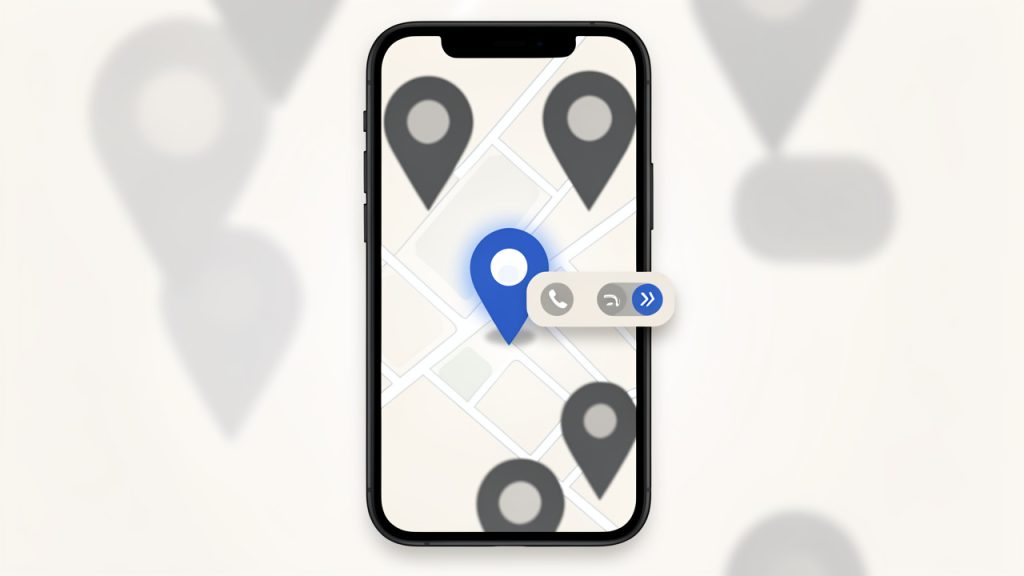
    Mobile search/map view showing a user searching 'plumber near me' with map pins. Emphasize a small local business pin highlighted (with call/get directions buttons) and larger competitors in the background to convey 'easier to find' local visibility.

    Done well, local search optimization helps your business appear in map results, location-based searches, and the organic listings people trust when making quick decisions. It is not just about rankings. It is about visibility, credibility, and conversion at the exact moment local intent is strongest. If you want more calls, visits, bookings, and qualified leads from your area, this is where to focus.

    What Is Local SEO?

    Local SEO is the process of improving your online presence so your business appears in search results for people in a specific geographic area. Instead of trying to rank for broad national terms, local search focuses on queries like “coffee shop near me,” “tax accountant in Austin,” or “emergency electrician downtown.”

    The core idea is simple. Search engines want to connect users with the most relevant nearby solution. If your business sends strong local relevance signals, such as accurate business details, trustworthy reviews, location-specific content, and consistent citations, you are more likely to appear when nearby customers search.

    This makes local search engine optimization especially important for businesses that serve a defined area. That includes storefronts, home service companies, local consultants, clinics, restaurants, real estate professionals, freelancers, and even developers who offer location-based services. If customers can realistically hire or visit you because of where they live, local visibility matters.

    Why Local Search Matters More Than Many Businesses Realize

    Local intent tends to be high intent. A person searching for “best chiropractor near me” is usually much closer to taking action than someone casually reading a general health article. That means local search traffic often converts better than broad awareness traffic.

    There is also a trust factor. When your business appears in map listings, has solid reviews, shows correct hours, and presents a complete profile, people feel more confident contacting you. In many cases, the search result itself becomes the first impression. Before a user visits your website, they may already be judging whether you look established, responsive, and legitimate.

    For small businesses with limited budgets, this is good news. You do not always need a large ad spend to compete locally. A well-optimized local presence can help a smaller company outperform bigger competitors in specific neighborhoods or service areas.

    Local SEO vs Traditional SEO

    Traditional SEO often aims for broader visibility across regions or nationally. It focuses on ranking pages for informational, commercial, or transactional keywords without location necessarily being the main driver. Local optimization, by contrast, combines classic SEO principles with geographic relevance.

    The difference is not just the keywords. Search engines evaluate local results using signals tied to relevance, distance, and prominence. That means your website matters, but so do your business listings, customer reviews, local mentions, and proximity to the searcher.

    A national software company might focus on topical authority, backlinks, and content hubs. A local law firm still needs those foundations, but also needs optimized practice-area pages for each city, a strong business profile, and consistent business information across the web.

    Key Aspects of Local SEO

    Local search optimization works best when you treat it as a system rather than a single task. Many businesses claim their listing, add a few photos, and stop there. That usually leaves easy gains on the table.

    To understand what drives local performance, it helps to break the strategy into its most important parts.

    Your Google Business Profile

    Google Business Profile is often the centerpiece of local visibility. It powers how your business appears in Google Maps and in many local search results. A complete, accurate, and actively managed profile can directly influence whether customers call, visit, or click through.

    This profile should include your correct business name, category, address or service area, phone number, website, hours, photos, and services. Accuracy matters. If your hours are outdated or your category is too broad, you may lose both rankings and trust.

    Beyond the basics, active management helps. Posting updates, answering questions, uploading recent photos, and monitoring reviews all send signs that the business is real and engaged. Think of it as your digital storefront. If the front window looks neglected, people notice.

    A stylized 'Google Business Profile' card as a digital storefront: business name, star rating, hours, phone (tap-to-call), photos, services list and an 'update / respond' action to communicate active management.

    NAP Consistency and Business Citations

    One of the foundational concepts in local search is NAP consistency, meaning your name, address, and phone number should appear the same way across the web. Search engines compare data from directories, social profiles, review platforms, and local listings to confirm that your business information is reliable.

    Even small inconsistencies can create confusion. If one directory lists “Suite 4,” another says “Ste 4,” and a third has an old phone number, the issue may seem minor to a human. To a search engine, repeated mismatches can weaken confidence in your data.

    Citations, which are mentions of your business details on other websites, help reinforce legitimacy. These may come from industry directories, local chamber of commerce pages, map platforms, review sites, or niche listings relevant to your field. Quality matters more than sheer volume. Ten trusted, accurate citations are more useful than a hundred low-value listings.

    Reviews and Reputation Signals

    Reviews are not just social proof. They are a meaningful local search signal and a major conversion factor. A business with many recent, authentic reviews often attracts more clicks and calls than one with a thin or outdated profile.

    Search engines use review signals to understand both quality and activity. Consumers do the same. If you have a strong average rating, thoughtful responses, and a steady stream of recent feedback, your business looks active and trustworthy.

    The key is to build a review generation process. That means asking satisfied customers at the right moment, making it easy for them to leave feedback, and responding professionally to both praise and criticism. A negative review handled well can actually improve trust. Silence often hurts more than the complaint itself.

    On-Page Local Optimization

    Your website still plays a major role in local SEO. Search engines need clear signals about what you offer, where you offer it, and why your business is relevant to local searchers.

    That starts with location-specific pages, strong page titles, clear service descriptions, and contact information that matches your business listings. If you serve multiple areas, avoid creating thin duplicate pages with only the city name changed. Each page should provide genuinely useful local context.

    For example, a freelance web developer targeting two nearby cities should not publish near-identical pages for each location. A better approach is to explain the services offered in each market, mention relevant industries in that area, include local testimonials if available, and make the page uniquely helpful.

    Local Content and Geographic Relevance

    Content helps connect your business to the communities you serve. This does not mean stuffing city names into every paragraph. It means publishing useful material that naturally reflects local relevance.

    A local accountant might write about tax deadlines specific to the state. A coworking space could publish neighborhood guides for remote workers. A bakery might create seasonal content tied to community events or local celebrations. This kind of content does two things at once. It strengthens relevance for local search and makes your brand feel genuinely present in the area.

    Useful local content also creates opportunities for backlinks, shares, and referral traffic. When your content reflects real local knowledge, it stands out more than generic articles copied from competitors.

    Local Links and Community Authority

    Backlinks remain important in SEO, and local search is no exception. The difference is that local links often carry special value because they reinforce both trust and geographic association.

    A mention from a local news site, business association, event page, nonprofit partner, or community blog can strengthen your local authority. These links tell search engines that your business exists within a real local ecosystem.

    The best local link building tends to come from actual participation. Sponsor an event, contribute expert commentary, partner with another business, support a charity, host a workshop, or get featured in local press. These tactics build visibility beyond rankings, which is what makes them sustainable.

    Mobile Experience and Conversion Readiness

    A large share of local searches happens on mobile devices. People search while moving, comparing options, checking hours, or trying to make a fast decision. That means your mobile experience cannot be an afterthought.

    If your site loads slowly, hides key contact details, or makes booking difficult, you may lose the lead even if you rank well. Good local SEO should support fast action. Your phone number should be easy to tap, your hours should be obvious, your directions should be simple to access, and your service pages should answer practical questions quickly.

    Strong local visibility without a usable website is like putting a bright sign on a locked door. You attract attention, then waste it.

    How to Get Started With Local SEO

    The good news is that local search optimization is one of the few marketing channels where smaller organizations can make meaningful progress quickly. The challenge is that many businesses tackle it randomly, fixing one issue here and another there, without a clear order of operations.

    A smarter approach is to start with the highest-impact foundations, then build depth over time.

    Begin With Business Profile Accuracy

    Your first priority is to claim and fully optimize your Google Business Profile. Make sure every field is complete and accurate. Choose the most precise primary category you can, then add relevant secondary categories if appropriate.

    Use high-quality photos, write a clear business description, list services, and keep hours updated. If you are a service-area business, configure that correctly rather than forcing a physical address if customers do not visit you.

    This step matters because your profile often influences both discoverability and conversion. It is one of the rare SEO assets that can start driving results before your website gains much traction.

    Audit Your Business Information Across the Web

    Next, check how your business appears on major directories and platforms. You are looking for inconsistent names, outdated addresses, wrong phone numbers, duplicate listings, and incomplete profiles.

    Here are the most important places to review first:

    1. Google Business Profile
    2. Apple Maps
    3. Bing Places
    4. Yelp and key industry directories
    5. Facebook or major social profiles

    Once those are accurate, expand to local directories, niche platforms, and association listings relevant to your industry. This process is not glamorous, but it strengthens the trustworthiness of your local data.

    Improve the Local Signals on Your Website

    After your listings are in order, turn to your site. Add clear contact information in the footer and contact page. Make sure service pages explain both what you do and where you do it. Include testimonials, FAQs, and real-world details that help visitors take action.

    If you serve several cities, create location pages only when each page can offer unique value. A strong page might include neighborhood context, examples of projects completed nearby, service differences by area, and answers to local customer concerns.

    This is also the time to review technical basics. Your site should load quickly, work cleanly on mobile, and present obvious calls to action. Local SEO is not just about getting seen. It is about making the next step easy.

    Build a Review System, Not a One-Time Push

    Many businesses ask for reviews in bursts, then stop for months. That pattern looks unnatural and usually leads to inconsistent reputation growth.

    A better model is a lightweight system. Ask for reviews after a successful service moment, a completed project, or a positive customer interaction. Keep the request simple and direct. Train staff or build it into your follow-up workflow so it happens consistently.

    The table below shows the difference between passive and proactive review habits.

    Approach What It Looks Like Likely Outcome
    Passive collection Waiting for customers to leave reviews on their own Slow growth, uneven reputation signals
    Occasional campaigns Asking for reviews only during special pushes Short spikes, then long gaps
    Systematic collection Asking routinely at the right moment Steady review growth, stronger trust and visibility

    Responding matters too. Thank happy customers, and address concerns calmly when reviews are critical. Prospective customers often read the response as closely as the review itself.

    Publish Content With Local Intent

    Once the basics are solid, content becomes a powerful differentiator. You do not need to become a full-time publisher. You do need to answer the real questions local customers ask.

    A practical way to start is to create pages or articles tied to your actual service area and customer needs. A local designer might publish guidance for small businesses in a specific city. A repair company could explain seasonal maintenance issues common in the region. A consultant may write about market trends affecting nearby businesses.

    What matters is relevance. Search engines can detect thin content built only to rank. Users can too. Write what only someone familiar with your local market would know.

    Earn Local Mentions and Links

    After you have a credible base, expand your local authority through real-world visibility. Community involvement often translates into digital signals naturally. That may include local press coverage, partnership pages, event sponsorships, or directory mentions from organizations you already belong to.

    You do not need dozens of links overnight. A handful of high-trust local mentions can be more useful than a large number of weak ones. The goal is not manipulation. It is credibility at the community level.

    Track the Metrics That Actually Matter

    One reason businesses get frustrated with local SEO is that they focus only on rank position. Rankings matter, but they are not the whole story. Local visibility shifts based on user location, device, personalization, and competition.

    A more useful view includes these signals:

    Metric Why It Matters What to Watch
    Profile views Indicates local search visibility Monthly growth trends
    Calls and direction requests Shows local intent turning into action Which periods drive the most activity
    Website clicks Connects listings to site engagement Whether traffic is rising from local sources
    Review volume and recency Reflects trust and profile activity Consistent new reviews over time
    Lead quality Measures business impact, not vanity Bookings, qualified inquiries, store visits

    If you are a freelancer or small business owner, this matters even more. Ten qualified local leads are far more valuable than a hundred irrelevant visits from outside your service area.

    Common Local SEO Mistakes to Avoid

    Some local SEO problems are easy to spot. Others quietly hold back performance for months. One common mistake is treating the business profile as a set-it-and-forget-it asset. Another is using inconsistent contact details across directories, which can weaken trust signals.

    A different issue appears on websites that over-optimize location terms without adding real value. Stuffing city names into titles, headings, and paragraphs may have worked years ago. Today, it mostly creates awkward copy and poor user experience. The better strategy is specificity, clarity, and usefulness.

    Businesses also underestimate the damage of weak follow-through. If your listing gets attention but nobody answers calls, if your website ranks but loads slowly, or if reviews mention poor communication, visibility alone will not help. Local search works best when marketing and operations support each other.

    Conclusion

    Local SEO is not a trend or a side tactic. For many businesses, it is the shortest path between being searched and being chosen. When your business information is accurate, your website is locally relevant, your reviews are active, and your presence reflects real community trust, you make it easier for nearby customers to find you and act.

    The best next step is simple. Audit what customers see first. Check your business profile, your reviews, your website’s local relevance, and the consistency of your details across the web. Fix the fundamentals, then build steadily. In local search, small improvements compound, and the businesses that show up clearly are often the ones that grow.