
SEO can feel like a locked door when you are running a business, building a freelance career, or shipping products with a small team. You know search traffic matters, but every path seems to lead to expensive courses, vague advice, or complicated jargon that makes a simple goal feel unnecessarily hard.
The good news is that you can learn SEO for free and still build real, useful skills. You do not need to become a search engineer or buy a premium toolkit on day one. What you need is a practical understanding of how search works, what content deserves to rank, and how to improve your website step by step.
If your goal is to attract more visitors, get more qualified leads, or simply stop guessing why your pages are invisible in Google, this guide will give you a clear starting point. You will learn what free SEO learning actually means, which fundamentals matter most, and how to build momentum without wasting time.
What Is Free SEO Learning?
To learn SEO for free in a meaningful way is not just about consuming random articles or watching isolated tutorials. It means building a working knowledge of search engine optimization through no-cost resources, hands-on practice, and repeatable habits. You are not paying with money, but you are investing attention, consistency, and curiosity.
SEO itself is the process of helping search engines understand your content and trust its value enough to show it to the right people. At a basic level, that involves three things. First, your website needs to be technically accessible.
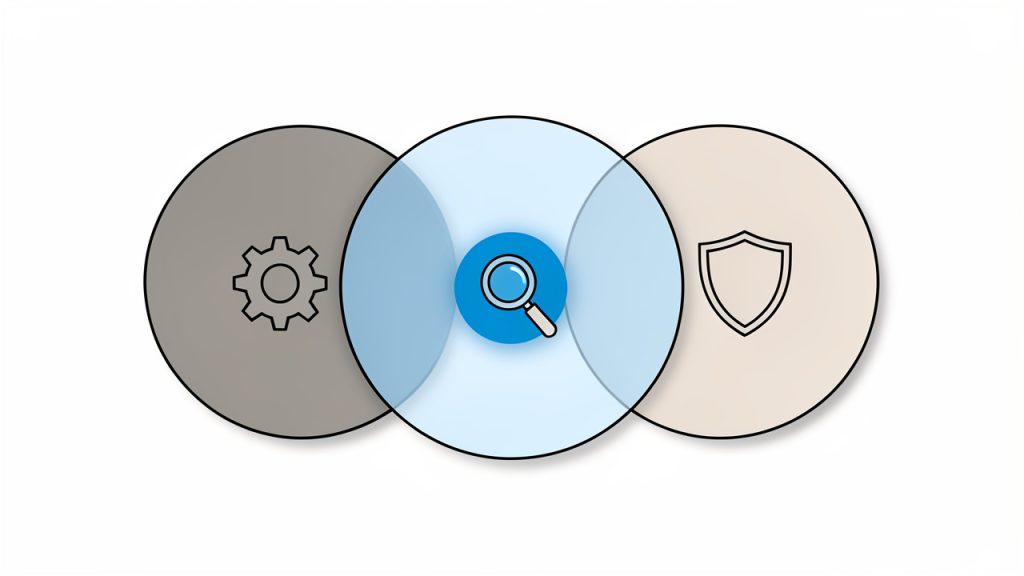
Second, your content needs to match what people are actually searching for. Third, your site needs to demonstrate credibility and usefulness over time.
Free SEO learning works best when you treat it like a craft, not a shortcut. Many beginners imagine SEO as a bag of tricks, but the strongest results usually come from fundamentals. A fast website, a clear site structure, helpful content, relevant keywords, and a good user experience will outperform clever hacks in the long run.
That is especially important for small business owners and freelancers. You may not have a dedicated marketing team, but you do have something powerful: proximity to your audience. You likely understand your customers’ real questions, objections, and needs better than a large company does. SEO rewards that insight when you turn it into useful pages.
Key Aspects of Learning SEO for Free
Understanding Search Intent
One of the first ideas you should understand is search intent. This is the reason behind a search query. When someone types “best invoicing software for freelancers,” they are probably comparing options. When they type “how to send an invoice,” they need education. When they search for a brand name, they likely want a specific website.
If you ignore intent, your content may be technically optimized but still fail to rank or convert. A page can include the right words and still be the wrong answer. Free SEO education often starts with keywords, but keywords only become useful when paired with intent. That is what helps you create pages that feel relevant instead of forced.
A simple way to think about search intent is to imagine Google as a matchmaker. Its job is to connect the searcher’s need with the page most likely to satisfy it.
The more clearly your content serves that need, the stronger your SEO foundation becomes.
Learning Keyword Research Without Paid Tools
Keyword research sounds advanced, but the free version is surprisingly accessible. You can start with Google autocomplete, the “People also ask” section (People also ask), related searches, community forums, Reddit discussions, YouTube suggestions, and your own customer conversations. These sources reveal how people phrase problems in the real world.
This matters because beginners often write in company language, not customer language. A developer might say “authentication workflow,” while a user searches “how to log in safely.” A consultant might say “client acquisition system,” while a freelancer searches “how to get more clients.” SEO improves when your wording reflects the audience’s mental model.
Paid tools can speed up research later, but they are not required to learn the skill. In the beginning, your job is to notice patterns. Which questions come up repeatedly? Which phrases suggest buying intent? Which topics deserve a dedicated page instead of a passing mention in a blog post? Free keyword research teaches judgment, and judgment is more valuable than software.
Creating Content That Deserves to Rank
Content is often described as king, but useful content is what actually matters. Search engines are trying to surface pages that solve problems clearly, accurately, and efficiently. That means your writing should not just mention a topic. It should help the reader do something, understand something, or decide something with more confidence.
For a small business, this might mean service pages that answer pricing questions, explain the process, and address common objections. For a freelancer, it could mean portfolio pages, case studies, and educational posts that show expertise. For a software product, it might include landing pages, tutorials, comparisons, and documentation that target specific user needs.
Strong SEO content usually has a clear structure, a narrow purpose, and concrete value. It avoids fluff. It gives examples. It anticipates follow-up questions. If a page feels like it was written primarily to rank, readers can sense that quickly. If it feels like it was written to help, it tends to perform better over time.
On-Page SEO Fundamentals
Once you have a topic and a search intent in mind, on-page SEO helps you present that page clearly. This includes the title, headings, URL, internal links, image alt text, and the natural use of relevant terms throughout the content. Think of on-page SEO as packaging. It does not replace substance, but it helps search engines and readers understand the substance faster.
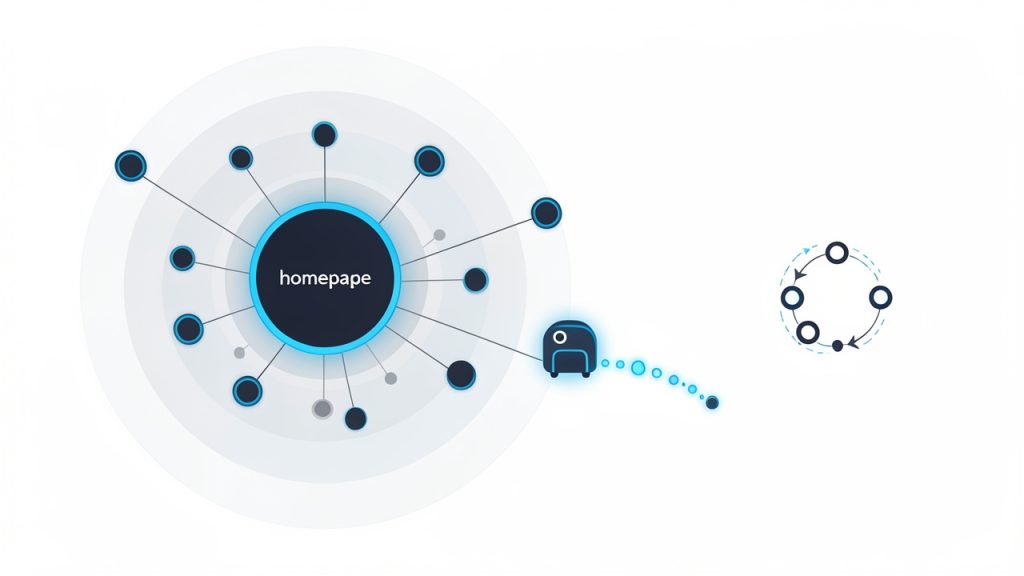
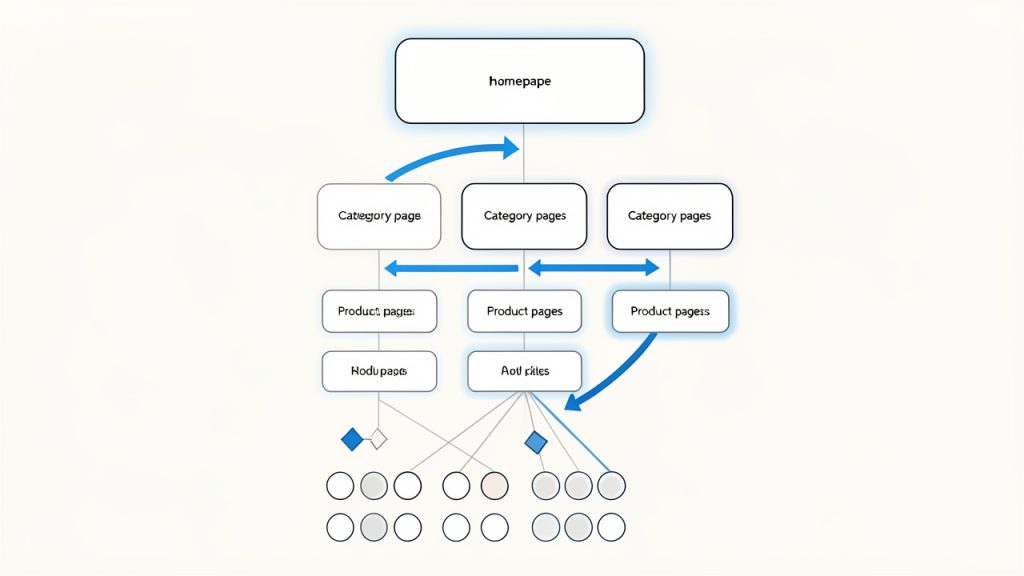
A good page title should be specific and readable. Headings should organize the page logically instead of stuffing in awkward keyword variations. Internal links should connect related pages so users can explore naturally and search engines can understand your site architecture.
One common mistake is over-optimizing. Repeating a phrase unnaturally does not make a page stronger. It usually makes the page worse. Modern SEO is less about density and more about relevance, clarity, and coverage. If your page answers the topic comprehensively and uses natural language, you are already moving in the right direction.
Technical SEO Without the Intimidation
Technical SEO can sound like a specialist field, and at the highest level it is. But beginners do not need to master server logs or JavaScript rendering to make progress. The free path starts with a few practical checks: can search engines crawl your pages, do your pages load quickly enough, is the site mobile-friendly, and can users navigate it easily?
A technically healthy site is like a clean storefront. People can enter, find what they need, and move around without friction. Search engines respond well to that same clarity. If your site is slow, confusing, or full of broken links, great content has a harder time performing.
Free tools from Google can help here. Google Search Console shows how your site appears in search, which pages are indexed, and where problems may exist. PageSpeed Insights gives performance feedback. These tools may look dense at first, but even a basic understanding will improve your decision-making.
(For clarity, “technically accessible” is a crucial early check, since crawlability and mobile usability determine whether search engines can even find your content: https://jntzn.com/fr/outils/validateur-html/)
Authority, Trust, and Links
SEO is not just about what is on your website. It is also about how the web perceives your website. Backlinks, which are links from other sites to yours, can act like trust signals. Not all links are equal, and beginners often get distracted by quantity. In reality, relevance and credibility matter much more than volume.
If a respected local organization links to your small business, that can be far more meaningful than dozens of random low-quality links. If an industry blog cites your guide because it is genuinely useful, that is a strong signal. Free SEO learning should include this principle early: earn trust by being worth referencing.
For most beginners, the best link strategy is not aggressive outreach at first. It is creating pages that are actually linkable. Original insights, clear how-to guides, local resource pages, useful tools, and strong case studies all increase the odds of natural mentions.
How to Get Started With SEO for Free
Begin With One Website and One Goal
The fastest way to learn SEO for free is to apply it to a real project. That could be your business website, your freelance portfolio, a side project, or even a small niche blog. Theory sticks better when it has a place to live.
Choose one clear goal. You might want more inquiries for a service, more traffic to a product page, or better visibility for a local offering. A focused goal makes SEO easier to understand because you can connect your actions to actual outcomes.
Without a clear objective, beginners often collect information endlessly and never implement anything. SEO rewards practice. You will learn more from improving five pages on a real site than from reading fifty disconnected tips.
Set Up the Essential Free Tools
You do not need a large stack of software to begin. A small set of free tools is enough to build awareness and track progress.
- Google Search Console: Monitor search performance, indexing, and keyword visibility.
- Google Analytics: Understand user behavior and traffic sources.
- Google PageSpeed Insights: Review performance and mobile usability signals.
- Google Trends: Explore topic interest and seasonal search patterns.
These tools are useful because they help you replace assumptions with evidence. Instead of asking, “Why is this page not working?” you can start asking better questions. Is it indexed? Is it getting impressions but no clicks? Is the title weak? Is the page too slow? Better questions lead to better SEO.
Learn by Studying Search Results
One of the most underrated free SEO habits is simply studying the search results page. Search your target topic and look closely at what ranks. Are the top results guides, product pages, comparison posts, category pages, or videos? Are they broad or highly specific? Do they target beginners or advanced readers?
This is one of the clearest ways to understand intent. Search results are not random. They reveal what Google currently believes satisfies that query. If all top results are tutorials, trying to rank a sales page may be an uphill battle. If the results are local service pages, publishing a general blog post may not be the best fit.
Treat the results page like market research. It shows the standard you need to meet and the gaps you may be able to fill.
Build a Simple Content Plan
A free SEO strategy becomes manageable when you turn it into a small publishing plan. You do not need a massive content calendar. You need a realistic rhythm and a sensible structure.
Start with your core pages first. These are the pages closest to business value, such as service pages, product pages, category pages, or key landing pages. After that, create supporting content that answers questions related to those pages. This helps both users and search engines understand your topical relevance.
The relationship between page types is easier to see in a simple framework:
| Page Type | Primary Purpose | Example Topic | SEO Benefit |
|---|---|---|---|
| Core page | Convert high-intent visitors | Web design services for local businesses | Targets commercial searches |
| Supporting guide | Educate and attract earlier-stage visitors | How much does a small business website cost? | Builds topical relevance |
| Case study | Prove results and credibility | How a redesign increased leads by 40% | Strengthens trust |
| FAQ page | Address objections and details | Website timelines, pricing, revisions | Captures long-tail queries |
This structure helps you avoid random publishing. Each page supports a broader goal, and your website starts to feel more coherent.
Practice Basic On-Page Improvements
If your website already exists, you can learn a lot by improving what is there before creating something new. Review a few pages and ask whether the title is clear, whether the headings are useful, whether the page answers the main question quickly, and whether related pages are internally linked.
Often, free SEO gains come from clarity rather than complexity. A stronger headline, better structure, more specific language, and a cleaner introduction can improve both rankings and conversions. Many pages underperform not because the topic is wrong, but because the execution is thin or confusing.
Think of each page as a conversation with a busy visitor. If they land on the page, can they immediately tell they are in the right place? Can they find the answer without scrolling through filler? Can they take a next step easily? These are SEO questions as much as UX questions.
Track Progress Without Obsessing Over Daily Rankings
SEO moves slowly compared with paid advertising, and that is where many beginners lose patience. If you learn SEO for free, you also need to learn how to interpret progress realistically. Rankings can fluctuate. Traffic can be seasonal. New pages may take time to settle.
A better early signal is whether your pages are being indexed, earning impressions, and gradually showing up for more relevant queries. Search Console is especially useful here. It lets you see whether Google is beginning to associate your pages with the topics you intended.
Focus on trends over weeks and months, not hours and days. SEO is more like fitness than flipping a switch. Consistent effort compounds, but not always on a visible timeline.
Common Mistakes Beginners Make
Chasing Tricks Instead of Fundamentals
One of the biggest mistakes is looking for loopholes instead of learning principles. Quick-win videos and checklist-style advice can be useful, but they often create the illusion that SEO success comes from tiny hacks. In practice, fundamentals win more often than tricks.
A page that loads quickly, matches search intent, demonstrates expertise, and satisfies the reader is hard to beat. A page that merely copies formatting patterns and stuffs in keywords rarely performs for long. If you are learning SEO for free, put your energy into understanding why something ranks, not just what it looks like.
Publishing Content Without a Clear Purpose
Another common error is creating content because “blogging is good for SEO.” That is too vague to be helpful. Every page should have a job. It should target a specific topic, solve a clear problem, and connect logically to your business or project.
Random content can increase workload without increasing results. Purposeful content, even in smaller volumes, builds authority more effectively. Ten strategic pages can outperform one hundred disconnected posts.
Ignoring the Website Experience
SEO is not only about getting the click. It is also about what happens after the click. If visitors land on your site and feel lost, frustrated, or unconvinced, your content may struggle to build momentum.
This is why design, readability, navigation, trust signals, and mobile usability all matter. Search engines are trying to reward useful experiences, not just keyword relevance. If your site is difficult to use, SEO eventually feels harder than it needs to be.
A Practical Free SEO Learning Path
If you want a straightforward roadmap, keep your first month simple. Do not try to master every branch of SEO at once. Build confidence by connecting a few core ideas and applying them repeatedly.
A beginner-friendly learning path looks like this:
- Understand search intent by studying what already ranks for your target topics.
- Do basic keyword research using Google suggestions, related searches, and real customer questions.
- Improve or create one page that clearly matches a valuable query.
- Set up Google Search Console and monitor impressions, clicks, and indexing.
- Repeat the process on related pages, using what you learn each time.
This sequence works because it mirrors how SEO actually grows. You observe, create, measure, refine, and repeat. That loop teaches more than passive consumption ever will.
Conclusion
You can absolutely learn SEO for free, and for many small businesses, freelancers, and builders, that is the smartest place to begin. Free learning forces you to understand the essentials: search intent, useful content, on-page clarity, technical accessibility, and patient iteration.
The next step is simple. Pick one website, one audience problem, and one page to improve this week. Set up the free tools, study the search results, and make a page more useful than it was yesterday. That is how SEO starts making sense, and how free learning turns into real growth.