

A new manual post can feel deceptively simple. You sit down, write the update, publish it, and move on. For small business owners, freelancers, developers, and productivity-focused teams, the way you create a post manually often says a lot about your workflow, your quality standards, and how well your message reaches the right people.
That matters because not every post should be automated, templated, or pushed through a scheduling pipeline without human judgment. Sometimes the best-performing content is the one you craft intentionally, with clear timing, a specific audience in mind, and a message that responds to what is happening right now. A well-planned manual post gives you control, speed, and nuance that automated systems often likely miss.
What Is a New Manual Post?
A new manual post is content created and published directly by a person rather than generated, syndicated, or triggered automatically by a system. In practical terms, that usually means opening your platform of choice, writing the post yourself, adding any links or media, reviewing it, and then publishing it when you decide the timing is right.
For many readers, this sounds obvious. After all, manual posting is how most people start. But once businesses begin using scheduling tools, content calendars, AI drafting assistants, social integrations, or CMS automations, the distinction becomes important. A manually created post is not just a piece of content, it is a deliberate action. It reflects a decision to prioritize context over convenience.
That distinction is especially relevant for smaller teams. If you run a solo business, manage client work, or juggle multiple channels with limited time, knowing when to use a manually created post can improve both quality and performance. It allows you to respond to customer questions, comment on breaking developments, share a quick insight, or publish a timely announcement without waiting for a larger content workflow to catch up.
Why manual posting still matters
Automation is useful, but it is not always smarter. A manual post gives you room to adjust tone, clarify meaning, and react to real conditions. If a promotion changes, a product update needs immediate explanation, or a customer trend suddenly appears, publishing manually lets you address it while the topic is fresh.
There is also a trust factor. Readers can often tell when content feels overly processed. A manual post tends to sound more human because it usually is more human. That can improve engagement, especially in channels where authenticity carries more weight than polished repetition.
Where a new manual post is commonly used
The idea applies across several environments. You might create a new manual post in a blog CMS, a company news section, a social media platform, a forum, a project workspace, or an internal knowledge hub. The core idea stays the same, even if the interface changes.
For example, a freelancer may manually post a quick portfolio update after finishing a project. A developer tool company might publish a manual release note to clarify a bug fix. A local business could create a timely weekend announcement on social media. In each case, a person creates the post because the moment calls for clarity and control.
Key Aspects of a New Manual Post
The biggest strength of a manual post is intentionality. You are not just filling a slot in a publishing calendar. You are choosing what to say, how to say it, and when it should go live. That makes manual posting valuable for content that needs precision, emotion, urgency, or responsiveness.
Control is another major advantage. When you publish manually, you can review the exact wording, check links, confirm formatting, and decide whether the message fits the current situation. This is especially useful when your audience expects relevance. A message that felt perfect yesterday might be poorly timed today. Manual posting gives you the final checkpoint.
Quality over volume
One of the most common mistakes in modern publishing is assuming that more content automatically produces better results. In reality, low-quality volume often creates noise. A strong manually published update can outperform several weak scheduled posts because it feels sharper, more timely, and more useful.
Smaller teams often have an advantage here. You may not have the budget for a massive content operation, but you can still create thoughtful manual posts that speak directly to your audience. In many cases, that focus is more effective than trying to match the output of larger competitors.
Speed with judgment
Manual posting is often associated with slower workflows, but that is only partly true. It can actually be the fastest option when you need to publish immediately and do not want to navigate templates, approvals, or integrations. The key difference is that manual speed includes human judgment.
That judgment matters. If a customer issue is spreading, an unclear announcement is circulating, or a trend affects your audience right now, a manual post allows you to respond quickly without sounding careless. It is the difference between reacting fast and reacting well.
Platform context matters
A new manual post should never be treated as generic content copied everywhere. The same update can work very differently depending on where it appears. A blog post may need structure and detail. A social post may need brevity and stronger emotional clarity. An internal team update may need clear action points and less branding language.
This is why manual posting is valuable. It helps you shape the message to fit the platform rather than forcing one version everywhere. That usually leads to stronger results because the content feels native to the space where readers encounter it.
The trade-off between manual and automated publishing
Manual posting is powerful, but it is not perfect. It requires time, attention, and consistency. If every post is created from scratch with no process behind it, your workflow can become chaotic. Deadlines slip, messaging becomes uneven, and content may depend too heavily on whoever happens to be available.
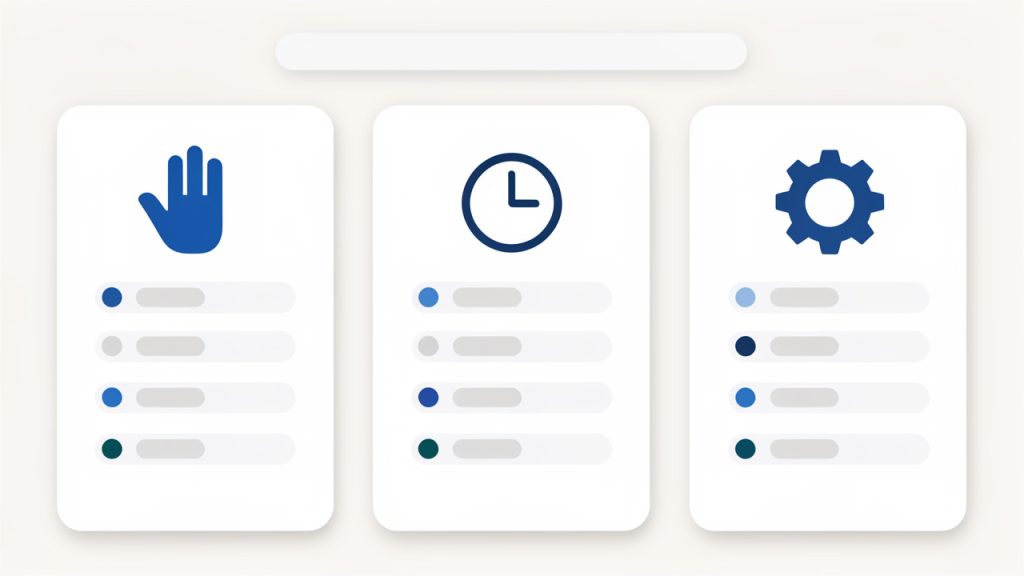
The better approach is balance. Use automation for repeatable, low-risk publishing tasks. Use manual posts for content that benefits from timeliness, sensitivity, personality, or strategic precision. This creates a system that is efficient without becoming robotic.
| Approach | Best For | Strength | Limitation |
|---|---|---|---|
| Manual posting | Timely updates, announcements, nuanced communication | High control and human judgment | Requires more hands-on effort |
| Scheduled posting | Planned campaigns, evergreen content, recurring updates | Efficient and consistent | Less adaptable in real time |
| Automated posting | System-driven updates, syndication, routine publishing | Saves time at scale | Can feel generic or poorly timed |
How to Get Started With a New Manual Post
Starting well is less about tools and more about clarity. Before creating a new manual post, decide what the post is trying to accomplish. Are you informing, promoting, clarifying, teaching, or responding? If you cannot answer that in one sentence, the post is probably not focused enough yet.
Once the goal is clear, think about the audience. A manual post works best when it feels specific. That does not mean writing for only one person, but it does mean understanding what your readers care about in the moment. A productivity-minded audience may want quick, useful takeaways. A client audience may want reassurance and professionalism. A developer audience may want direct language and practical detail.
Start with a simple posting framework
You do not need a complicated process to create a strong manual post. A lightweight framework is usually enough:
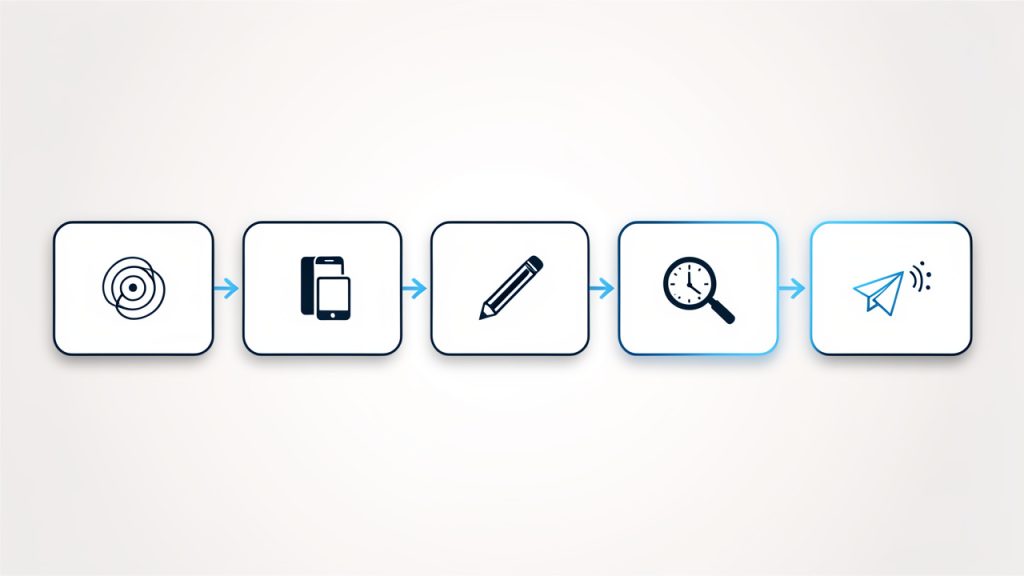
- Define the purpose
- Choose the platform
- Write the core message
- Review for clarity and timing
- Publish and monitor responses
This works because it reduces friction without sacrificing quality. You are not building an entire campaign. You are making one clear communication decision and executing it well.
Write for clarity first
Many manual posts fail because the writer tries to sound impressive instead of useful. Clear language wins. Readers should understand the point of the post almost immediately. That is true whether you are announcing a service update, sharing a tip, or publishing a short opinion.
A good rule is to make the first few lines carry the main value. If the post is important, say why. If there is an action readers need to take, say what it is. If the update affects them directly, say how. Clarity creates trust, and trust improves engagement.
Edit before you publish
Because manual posts often happen quickly, editing is easy to skip. That is risky. Even a short review can catch weak phrasing, broken links, awkward formatting, or missing context. A post published manually still represents your brand, even if it took only five minutes to create.
It helps to review the post from the reader’s point of view. Ask whether it is obvious what the post means, why it matters, and what happens next. If any of those answers feel vague, revise before publishing.
Build a repeatable habit
If manual posting is always reactive, it can become stressful. The smarter move is to create a habit around it. Keep a list of post ideas, common update formats, and audience questions worth answering. That way, when you need to publish a new manual post, you are not starting from zero.
This is particularly useful for freelancers and small business owners who wear multiple hats. A little preparation makes manual publishing faster while preserving the flexibility that makes it valuable in the first place.
Common situations where manual posting works best
Some publishing moments are especially well suited to manual posts. These usually include:
- Timely announcements: Changes, launches, limited offers, or urgent updates
- Direct responses: Clarifications based on customer feedback or current events
- Personal insights: Founder opinions, lessons learned, or behind-the-scenes commentary
- Context-sensitive content: Posts that need careful tone and timing
These are situations where rigid scheduling can actually weaken the message. Manual posting lets you communicate with better awareness of what is happening around the post, not just inside it.
Conclusion
A well-crafted manual post is more than a basic publishing task. It is a strategic way to communicate with precision, speed, and human judgment. For businesses and independent professionals who care about relevance and trust, that makes manual posting a practical advantage, not an outdated habit.
If you want better results from your content, start by treating each new manual post as a chance to be useful, timely, and clear. Build a simple process, stay close to your audience, and publish with intention. That next post does not need to be bigger. It needs to be better.