JNTZN

Author: basti

  • Free Website Speed Test: Improve Site Load & Conversions

    Free Website Speed Test: Improve Site Load & Conversions

    A slow website loses people before your message, product, or portfolio even has a chance to work. Visitors click, wait a second too long, and leave. Search engines notice. Conversion rates slip. Trust drops quietly in the background.
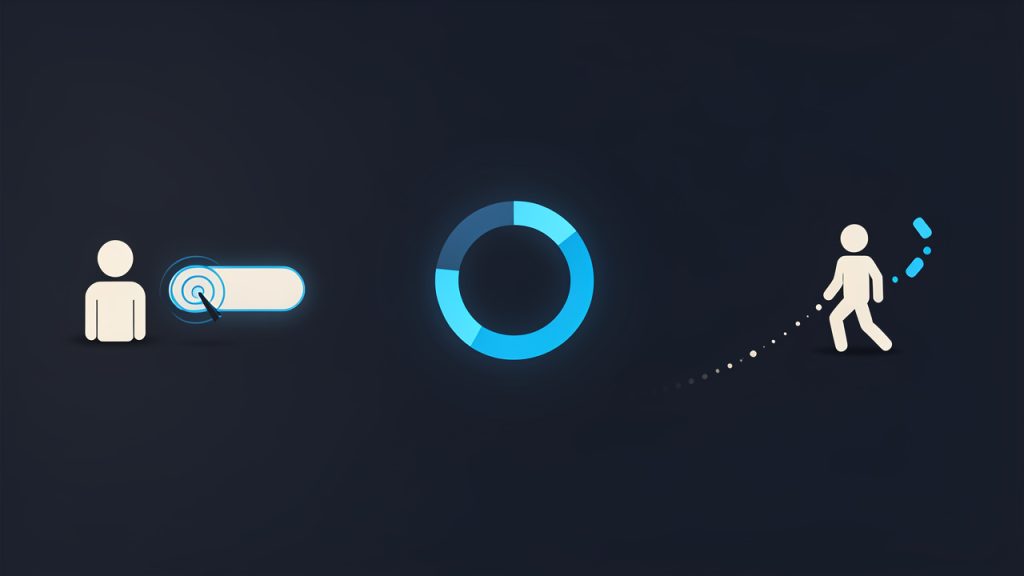
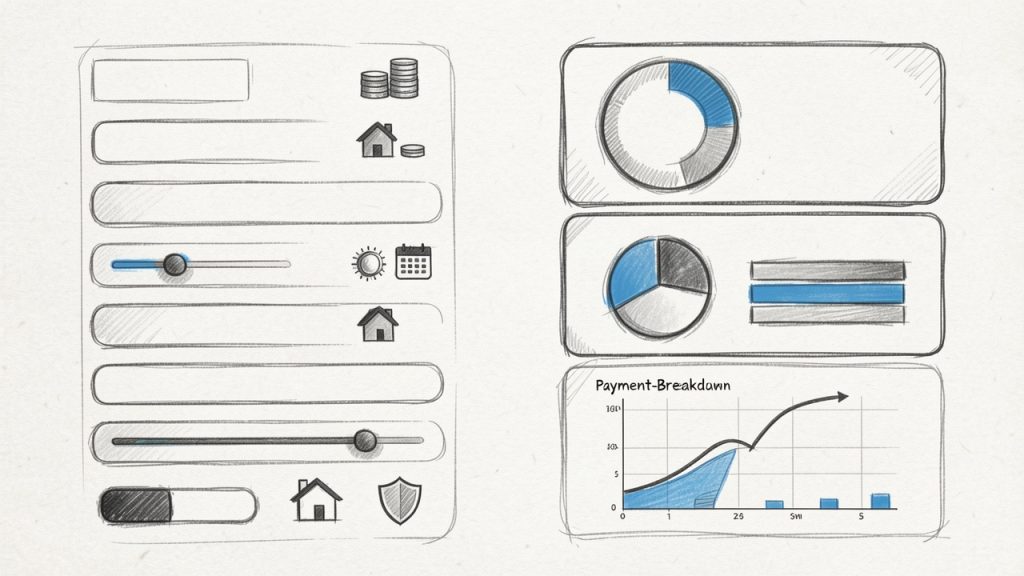
    A visitor clicking a link, watching a spinning loading indicator, then leaving — visualizing bounce due to slow load (emphasis on lost conversions and dropping trust).

    That is why a website speed test free tool matters so much. It gives you a quick, practical way to see how fast your pages load, where delays happen, and what to fix first. For small business owners, freelancers, developers, and anyone trying to improve online performance without adding extra costs, free speed testing is often the smartest starting point.

    The good news is that you do not need an enterprise budget or a technical team to begin. A free website speed test can reveal whether oversized images, heavy scripts, poor hosting, or unnecessary page elements are slowing you down. More importantly, it helps you turn a vague concern like “my site feels slow” into measurable actions.

    What is website speed test free?

    A website speed test free tool is an online service that measures how quickly a web page loads and how efficiently it renders content for real users. In simple terms, it checks the time it takes for important parts of your site to appear and become usable. Instead of guessing whether performance is good or bad, you get data.

    Most free speed test tools analyze a page by loading it in a controlled environment and reporting timing metrics. These often include how long it takes for the first visible content to appear, when the main content becomes useful, and how much blocking or unused code is holding the page back. Some tools also show waterfall charts, page size details, file requests, and recommendations for improvement.

    This matters because website speed is not just a technical issue. It affects user experience, search visibility, lead generation, sales, and brand perception. A visitor does not care whether your delay comes from render-blocking CSS or a third-party script. They only feel friction. A free speed test helps you identify that friction before it becomes expensive.

    There is also an important distinction between a site being technically “loaded” and being truly usable. A page might display a header and background quickly, while the key content, menu, or checkout button remains delayed. Good speed testing looks beyond raw load time and gives you a more realistic picture of performance.

    Key Aspects of Website speed test free

    Speed testing is about more than one number

    Many people focus on a single score and assume that is the whole story. It is not. A website speed test free tool may present a grade or performance percentage, but the real value lies in the breakdown behind it.

    For example, a page can earn a decent overall score while still feeling slow on mobile devices. Another page may have a mediocre score but load the most important content quickly enough for users to engage. Context matters. You should read the metrics as a performance profile, not as a pass-or-fail label.

    That is especially true for business websites with booking systems, galleries, external widgets, or ecommerce functions. These features add value, but they can also add weight. The goal is not necessarily to chase perfection. The goal is to create a site that feels fast, stable, and usable for your audience.

    Core metrics you should understand

    When you run a free website speed test, you will often see several metrics that sound technical at first. Once you understand them, they become surprisingly practical.
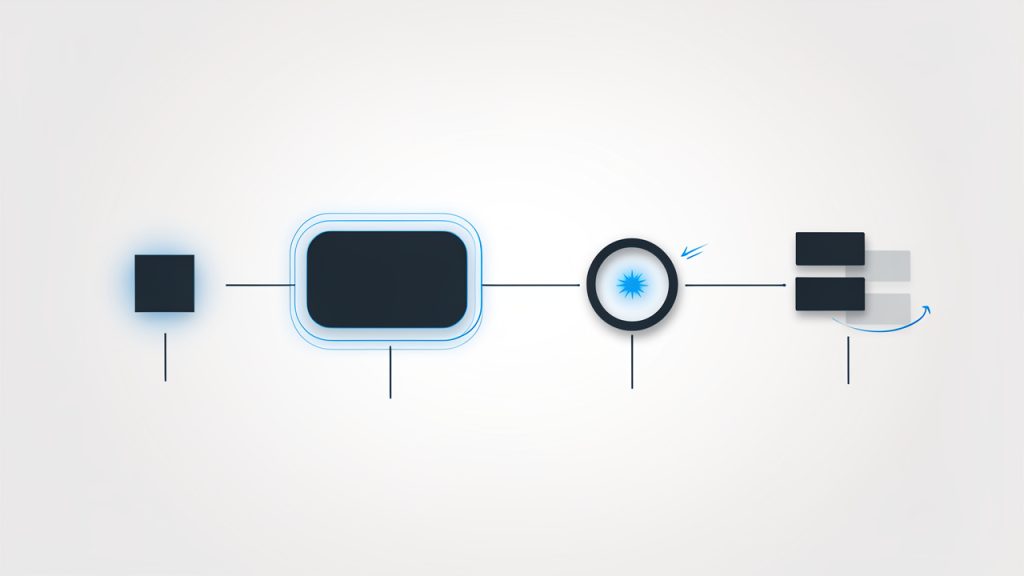
    A staged timeline of page load showing key metrics: First Contentful Paint (FCP) as first visible content, Largest Contentful Paint (LCP) when main content appears, Time to Interactive (TTI) when controls respond, and Cumulative Layout Shift (CLS) illustrated as elements jumping , labeled with approximate positions on the timeline.

    First Contentful Paint (FCP) refers to how quickly something visible appears on the screen. It is the first sign to users that the site is responding. If this is slow, your site may feel unresponsive right away.

    Largest Contentful Paint (LCP) measures when the main visible content finishes loading. This is often one of the clearest signals of whether users perceive the page as fast. If your hero image, headline, or key content block appears late, LCP suffers.

    Time to Interactive (TTI) reflects when users can meaningfully interact with the page. A page may look loaded while still being blocked by scripts. That creates frustration, especially on mobile.

    Cumulative Layout Shift (CLS) tracks how much content moves unexpectedly while loading. If buttons shift and text jumps around, users lose confidence. This is a speed and usability issue at the same time.

    What usually slows a website down

    The most common cause is not one dramatic problem but a stack of small inefficiencies. Large, uncompressed images are a classic example. They make pages heavier than necessary and delay visible content. This is especially common on portfolio sites, restaurant websites, and ecommerce stores where imagery is central.

    Another frequent issue is too many scripts. Tracking tools, chat widgets, social media embeds, popups, review apps, and ad networks all add requests and processing time. Each one may seem harmless on its own. Together, they create drag.

    Hosting quality also plays a major role. Even a well-designed site can feel sluggish on low-quality hosting or overloaded shared servers. Then there is the matter of theme bloat, excessive plugins, poor caching, and bulky page builders. These are not always obvious until you look at a speed test report and see how many assets your site is trying to load.

    Mobile performance deserves special attention

    A website that seems fast on a desktop office connection may perform very differently on a phone. Mobile users often deal with weaker connections, less powerful devices, and more distractions. That means performance problems feel larger, and patience runs thinner.

    A free website speed test becomes particularly useful here because it can highlight mobile-specific weaknesses. Heavy JavaScript, oversized banners, and layout shifts are often much more damaging on mobile than on desktop. If a large share of your traffic comes from smartphones, mobile speed should be treated as a business priority, not an afterthought.

    Free tools are useful, but they have limits

    Free speed testing tools are powerful enough for most initial audits and ongoing monitoring. They can quickly uncover major issues and help you prioritize fixes. For many small websites, that is more than enough to drive meaningful improvement.

    Still, no single test tells the entire story. Results can vary based on server load, testing location, device simulation, and whether a page was tested cold or from cache. A free tool gives you a strong snapshot, not a perfect truth. That is why repeated testing and pattern recognition are more valuable than obsessing over one report.

    How to Get Started with Website speed test free

    Start with your most important pages

    Do not test every page randomly. Begin with the pages that matter most to your goals. For a small business, that may be the homepage, service page, contact page, and booking page. For a freelancer, it might be the portfolio homepage and inquiry form. For an online store, it should include category pages, product pages, and checkout-related screens.

    This approach keeps the process practical. You want performance improvements where they have the most business impact. A fast privacy policy page is nice, but a fast homepage and landing page are usually more valuable.

    Run multiple tests and compare trends

    One speed report can be misleading if taken in isolation. Run a website speed test free tool more than once, and if possible, use more than one tester. This helps you distinguish consistent problems from one-off fluctuations.

    Look for patterns. If your page repeatedly shows slow LCP, heavy image weight, and render-blocking resources, those are likely real issues. If one result is much worse than all others, it may reflect temporary conditions. Good analysis comes from comparison.

    The table below shows the kinds of signals free speed test tools typically help you review.

    Area MeasuredWhat It Tells YouWhy It Matters
    Initial visibilityHow quickly content first appearsShapes first impressions
    Main content loadWhen the largest visible element finishes loadingStrong indicator of perceived speed
    InteractivityWhen users can click, type, and navigate without lagAffects usability and conversion
    Layout stabilityWhether elements shift during loadImpacts trust and user control
    Page weightTotal size of assets like images, scripts, and stylesHeavier pages usually load slower
    Request countNumber of files the browser must fetchMore requests often mean more delays

    Focus on the biggest wins first

    Once you have a report, resist the urge to fix everything at once. Some recommendations have much more impact than others. In many cases, the fastest improvements come from compressing images, reducing unnecessary plugins, enabling caching, and delaying non-essential scripts.

    If your homepage includes a giant background video, five third-party widgets, and oversized images, that is likely where the problem lives. You do not need advanced optimization before addressing obvious weight. Think of it like cleaning out a packed suitcase before buying a more expensive one.

    A smart first round of action often includes the following:

    1. Compress images, and serve properly sized versions.
    2. Remove unnecessary apps, plugins, or widgets that load on every page.
    3. Enable caching and CDN support if your platform or host offers it.
    4. Test again to confirm what actually improved.

    Match fixes to your platform

    The right solution depends on how your site is built. If you use WordPress, you may improve speed through caching plugins, image optimization tools, and lighter themes. If you use a site builder, your options may revolve more around media compression, layout simplification, and reducing embedded elements. If you manage a custom site, development-level improvements like code splitting or script deferral may matter more.

    This is where a website speed test free tool becomes especially practical. It helps you avoid random changes. Instead of guessing, you can make targeted updates based on visible bottlenecks.

    Know when speed becomes a business issue

    A slow website is not just an aesthetic annoyance. It can directly affect inquiries, sales, bookings, newsletter signups, and ad performance. If your landing page takes too long to show the offer, paid traffic becomes less efficient. If your checkout drags, abandoned carts rise. If your portfolio stutters on mobile, potential clients may question your professionalism before contacting you.

    That is why even a free speed test can provide real business intelligence. It gives you an early warning system. You can spot friction before users complain, and before performance costs become obvious in your analytics.

    Build speed testing into your routine

    Website performance changes over time. New images are uploaded, plugins are added, tracking scripts pile up, and design elements evolve. A site that was fast six months ago can quietly become heavy.

    Treat speed testing like maintenance, not a one-time event. Run checks after redesigns, major content additions, marketing campaigns, or platform updates. A short recurring review can prevent a gradual slide into poor performance.

    For teams and solo site owners alike, the comparison below can help frame what to expect from a free testing workflow.

    ApproachBest ForMain AdvantageMain Limitation
    One-time free testQuick checksFast insight with no costLimited context
    Repeated free testingOngoing monitoringHelps identify trendsRequires consistency
    Multi-page testingBusiness-critical sitesBetter performance pictureTakes more time
    Advanced paid monitoringLarger or revenue-heavy sitesDeeper diagnostics and alertsHigher cost

    Conclusion

    A website speed test free tool is one of the simplest and most valuable ways to improve your website without guessing. It shows how your pages perform, highlights bottlenecks, and helps you prioritize changes that actually matter. For small businesses, freelancers, developers, and productivity-minded users, that kind of clarity is hard to overstate.

    Start with your most important pages, review the metrics with context, and focus on the biggest improvements first. Then test again. Website speed is not about chasing a perfect score. It is about creating a faster, smoother experience that keeps people engaged and supports your goals. The next practical step is simple, run a free speed test on your homepage today, then use the results to make one meaningful improvement.

  • Convert WAV to MP3: Fast, Simple Audio Compression

    Convert WAV to MP3: Fast, Simple Audio Compression

    If you work with audio files regularly, you already know how quickly WAV files can become inconvenient. They sound great, but they are bulky, slow to share, and often far larger than you need for everyday use. That is where Wav to mp3 conversion becomes practical, it turns high-quality, uncompressed audio into a smaller, easier-to-manage format without making your workflow more complicated.

    For small business owners, freelancers, developers, and productivity-minded users, this is more than a file format choice, it is about saving storage, speeding up uploads, making files easier to distribute, and keeping your audio usable across devices and platforms. Whether you are handling podcast clips, voice notes, training materials, or music samples, knowing when and how to convert WAV to MP3 can streamline your entire process.

    What is Wav to mp3?

    WAV to MP3 is the process of converting an audio file from the WAV format into the MP3 format. WAV, short for Waveform Audio File Format, is typically uncompressed, which means it preserves a lot of audio detail but creates very large files. MP3, on the other hand, uses compression to reduce file size while keeping the sound quality acceptable for most everyday uses.

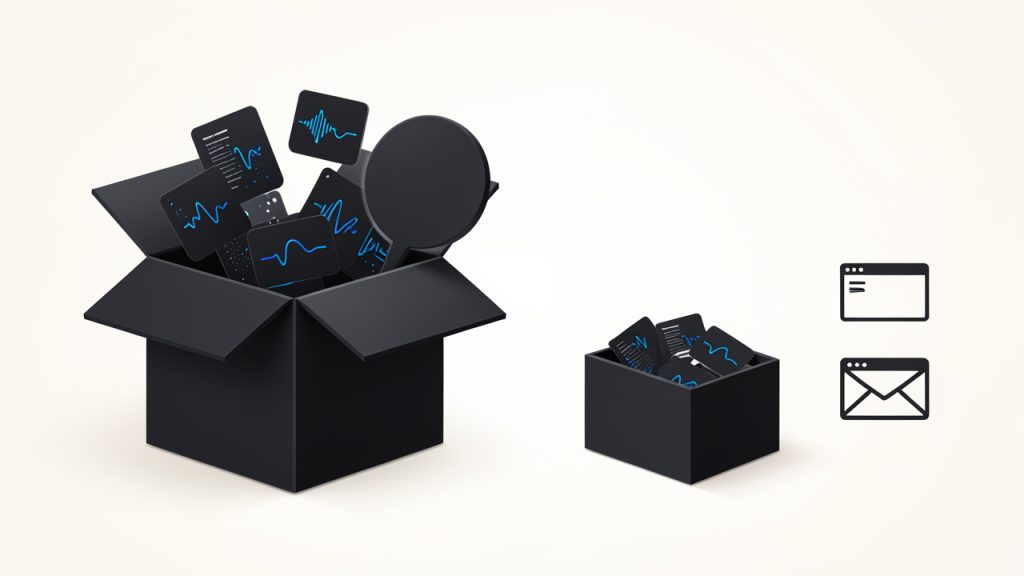
    The difference is easy to understand if you think of it like packaging. WAV is the full original box, with every part included exactly as it was recorded. MP3 is the same content packed into a much smaller container, making it easier to carry, send, and store. For many use cases, that trade-off is worth it.

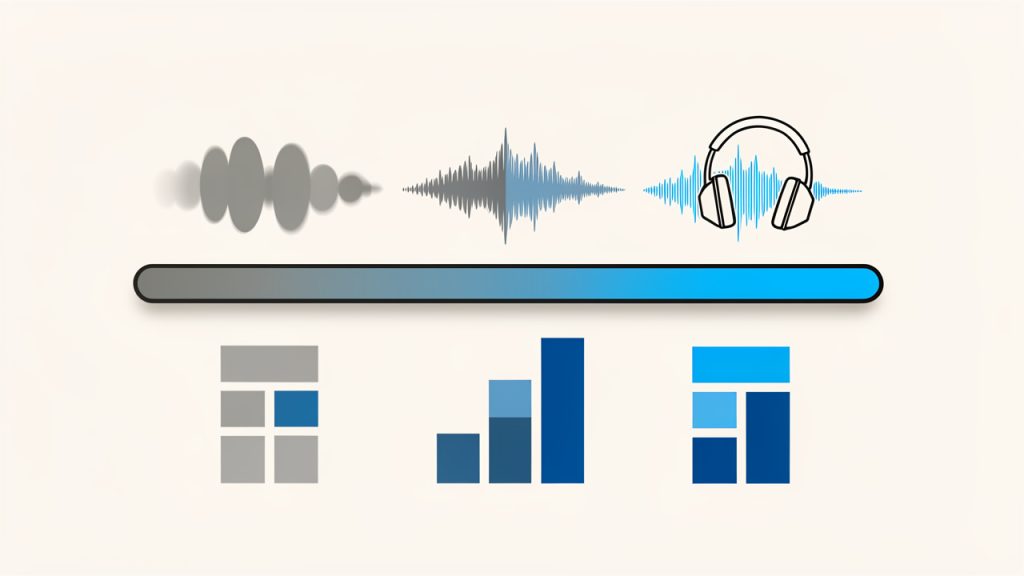
    Same content, different packaging

    This is why WAV to MP3 conversion is so common in content creation, business communication, and digital publishing. A file that once took up hundreds of megabytes can often shrink dramatically after conversion, which makes it much easier to upload to websites, attach to emails, or keep organized on your computer.

    Why WAV files are often converted

    WAV files are excellent when you need maximum fidelity, such as in recording, editing, mastering, or archiving original audio. But once that stage is over, the large file size can become a problem. If you are publishing a voice recording, distributing a lesson, or sharing a sound asset with a client, you usually do not need the full weight of a WAV file.

    MP3 is widely supported across phones, laptops, media players, apps, and browsers. That broad compatibility makes it a convenient final format for distribution. In practice, many users keep a WAV master for editing and export an MP3 version for everyday access.

    What changes during conversion

    When converting WAV to MP3, the file is compressed, which means some audio information is removed to reduce size. The quality difference is not always obvious, especially at higher bitrates, but the file becomes much smaller and more practical.

    This makes bitrate an important part of the decision, a higher bitrate MP3 usually sounds better and preserves more detail, while a lower bitrate creates a smaller file. The right choice depends on what you are using the file for. A training clip or spoken audio file can usually be compressed more aggressively than a music track intended for close listening.

    Bitrate vs quality vs file size

    Key Aspects of Wav to mp3

    The most important thing to understand about WAV to MP3 is that it is not just a technical conversion, it is a balance between quality and convenience. If you want the highest possible quality for production work, WAV is often the safer choice. If you want portability and efficiency, MP3 usually wins.

    Audio quality is the first factor people worry about, and for good reason. MP3 is a lossy format, which means it sacrifices some audio data during compression. That does not automatically make it bad, it simply means that the output is optimized for smaller size, not perfect preservation. For most spoken audio, business use, and casual listening, the difference is often acceptable.

    File size is the second major consideration. A WAV file can be several times larger than the same audio saved as MP3. That matters when you are uploading multiple files, working with limited storage, or sending content to clients and collaborators. Smaller files also load faster, which can improve user experience on websites and in apps.

    Compatibility is another reason MP3 remains so popular. While WAV is supported by many systems, MP3 is nearly universal. If you need a format that works reliably across platforms, MP3 is usually the safer bet. That is especially helpful when you are publishing files for an audience you do not control.

    Quality versus convenience

    The quality-versus-size trade-off is the heart of the conversation. A WAV file is often the right choice during production because it gives you more flexibility for editing and processing. An MP3 is often the right choice at the end of the workflow because it is smaller and easier to distribute.

    For example, if you are a freelancer delivering audio samples to a client, you might keep the project in WAV while editing, then export the final version as MP3 for easy review. If you are a business owner uploading a podcast episode preview or an internal announcement, MP3 is likely more efficient than sending a huge WAV file.

    When MP3 makes more sense

    MP3 is usually the better option when the audio is meant for listening rather than editing. That includes interviews, lectures, voice memos, marketing assets, and basic website audio. In these situations, the practical benefits of compression usually outweigh the minor quality loss.

    If the audio will be heavily edited later, or if it serves as a master archive, staying in WAV may be wiser. The key is to match the format to the purpose. That is the real productivity win, choosing the right file type before storage and sharing become a bottleneck.

    Common use cases

    Use caseBetter formatWhy
    Final audio for web uploadMP3Smaller size and broad compatibility
    Editing and masteringWAVUncompressed quality preserves detail
    Voice memos and meetingsMP3Easier to store and share
    Audio archivesWAVBetter for long-term preservation
    Client delivery for reviewMP3Convenient and lightweight

    How to Get Started with Wav to mp3

    Getting started with WAV to MP3 conversion is usually straightforward. You do not need advanced technical knowledge, and in many cases you can complete the process in a browser using a free online tool. The key is knowing what to look for before you upload anything.

    First, check whether the tool supports your audio file size and whether it allows you to choose bitrate settings. A good converter should be simple enough for quick use, but flexible enough to let you control output quality. If your source file is important, it is also smart to use a converter that handles files securely and deletes uploads after processing.

    Before converting, make sure your original WAV file is clean and ready. If you are using audio from a recording session, trimming silence, removing noise, or making edits first can save time later. Conversion will not improve the sound, so it is best to finalize the audio before changing formats.

    What to look for in a converter

    A practical WAV to MP3 tool should be easy to use, fast, and reliable. It should not make you dig through confusing settings just to complete a simple task. For many users, the best tools are the ones that make the process feel almost invisible.

    • Ease of use: The upload and conversion process should be simple and intuitive.
    • Bitrate control: Higher bitrate options help preserve better sound quality.
    • Security: Upload handling should be safe, especially for business or client files.
    • Speed: Fast conversion saves time when dealing with multiple files.
    • Compatibility: The tool should work on desktop and mobile browsers when needed.

    Choosing the right bitrate

    Bitrate has a direct impact on the final MP3 quality and file size. Higher bitrates generally sound better but create larger files. Lower bitrates reduce size further, but they can introduce noticeable audio artifacts, especially in music or complex recordings.

    For speech, a moderate bitrate is often enough. For music or branded audio where quality matters more, a higher bitrate is usually the safer choice. If you are unsure, it is better to start a little higher, then reduce only if file size becomes a problem.

    A simple workflow for conversion

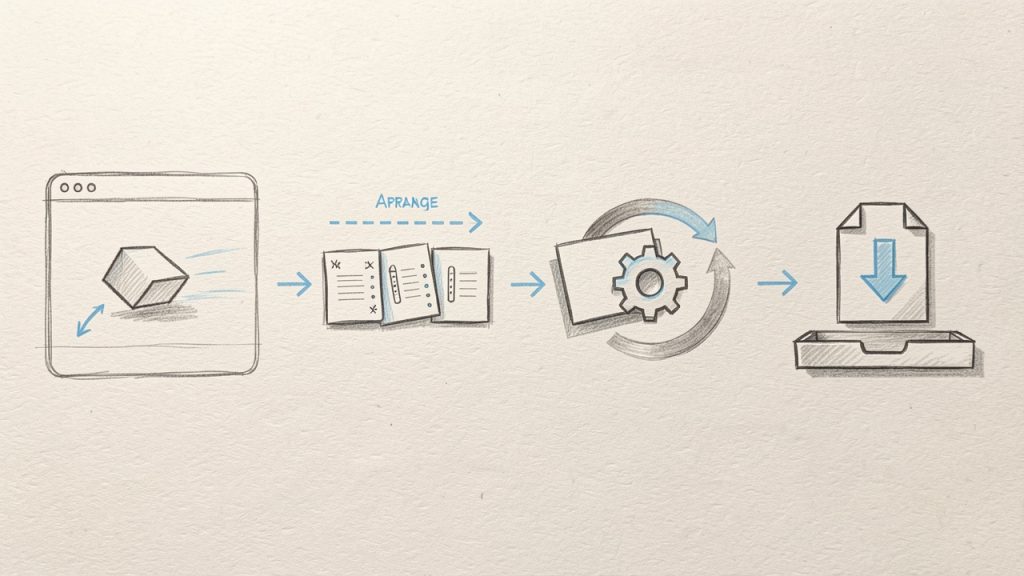
    A practical workflow usually looks like this: prepare the WAV file, upload it to the converter, choose the output settings, and download the MP3 version. That sounds basic, but the value is in consistency. Once you establish a repeatable process, you can convert files quickly without thinking about it each time.

    If you work with audio often, it helps to keep both versions when appropriate. The WAV file can serve as your master copy, while the MP3 is your shareable version. That gives you flexibility later if you need to edit again or export into another format.

    Best practices for everyday use

    One of the smartest habits is to keep your original WAV files organized before converting anything. That way, if you ever need a different bitrate or a fresh export, you are not forced to start over. A clear folder structure saves time and reduces mistakes.

    It also helps to name files clearly. Instead of generic labels, use descriptive names that tell you what the file contains, such as a project name, date, or version number. That small habit makes a big difference once your audio library starts growing.

    Conclusion

    WAV to MP3 conversion is one of those simple tasks that can make a big difference in your workflow. WAV gives you quality and flexibility, while MP3 gives you convenience and reach. When you understand the trade-offs, it becomes much easier to choose the right format for the job instead of defaulting to one option every time.

    The next step is to look at your own audio workflow and decide where file size, compatibility, and speed matter most. If the goal is sharing, publishing, or everyday listening, MP3 is often the practical choice. If the goal is editing, preservation, or production work, keep the WAV file as your source and convert only when you are ready.

  • Free Online Video Compressor — Fast, Simple Video Size Reduction

    Free Online Video Compressor — Fast, Simple Video Size Reduction

    A large video file can slow down your website, clog your inbox, and make simple sharing feel like a chore. If you have ever tried to send a client a project preview, upload a clip to social media, or save space on your device, you already know how frustrating oversized videos can be.

    That is where a video compressor online free tool becomes useful. It gives you a fast way to reduce file size without installing software, paying for a subscription, or spending time learning complicated settings. For small business owners, freelancers, developers, and anyone trying to work efficiently, that convenience can make a real difference.

    What is Video compressor online free?

    A video compressor online free is a web-based tool that reduces the size of a video file while trying to keep the visual quality acceptable.

    Instead of downloading desktop software, you upload your video in the browser, adjust a few settings if needed, and download a smaller version.

    In simple terms, compression removes or reorganizes data that the viewer is less likely to notice. The goal is not just to make the file smaller, but to make it easier to store, share, and stream.

    This matters because raw or high-resolution videos often create everyday problems. A short clip might be beautiful in 4K, but it can also be too large for email attachments, too slow for cloud uploads, and too heavy for websites where loading speed affects user experience.

    Key Aspects of Video compressor online free

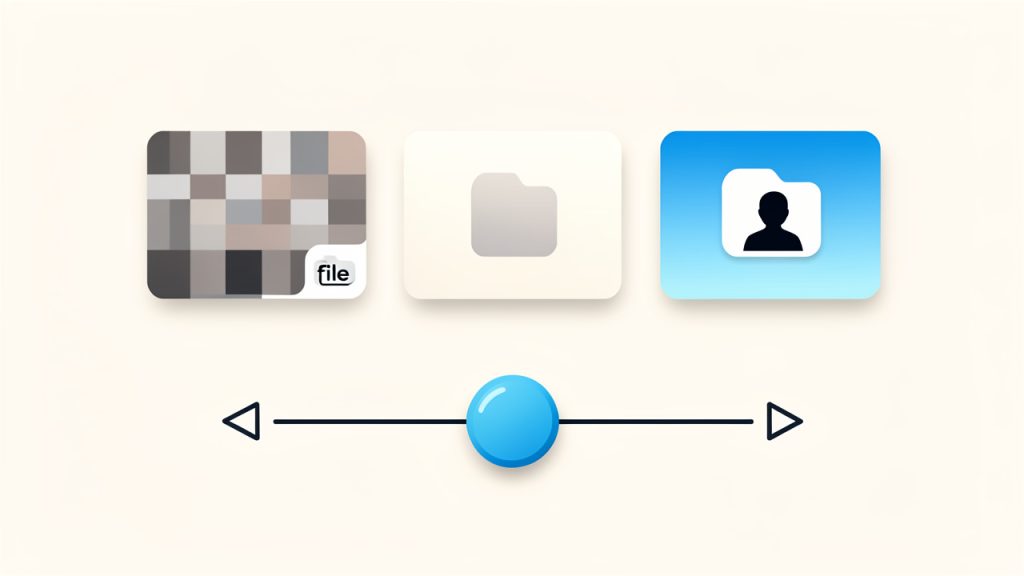
    File size versus quality

    The biggest trade-off in any compression tool is file size versus quality.

    When you compress a video, you are deciding how much detail to keep and how much to reduce.

    For business use, this balance is often more important than perfect image fidelity. A product demo, a training clip, or a social video usually does not need cinema-level sharpness. What it needs is clarity, smooth playback, and a size that people can actually open without waiting forever.

    File size versus quality: a slider showing compression trade-offs with three thumbnails representing high, medium, and low quality

    A good free online compressor should let you choose how aggressive the compression should be. Higher compression means smaller files, but also a greater chance of visible artifacts, blur, or softened motion. The right setting depends on where the video will be used.

    Speed and convenience

    One of the main reasons people search for a video compressor online free solution is speed.

    You do not have to install a program, create a workflow in editing software, or wait for a heavy desktop app to launch.

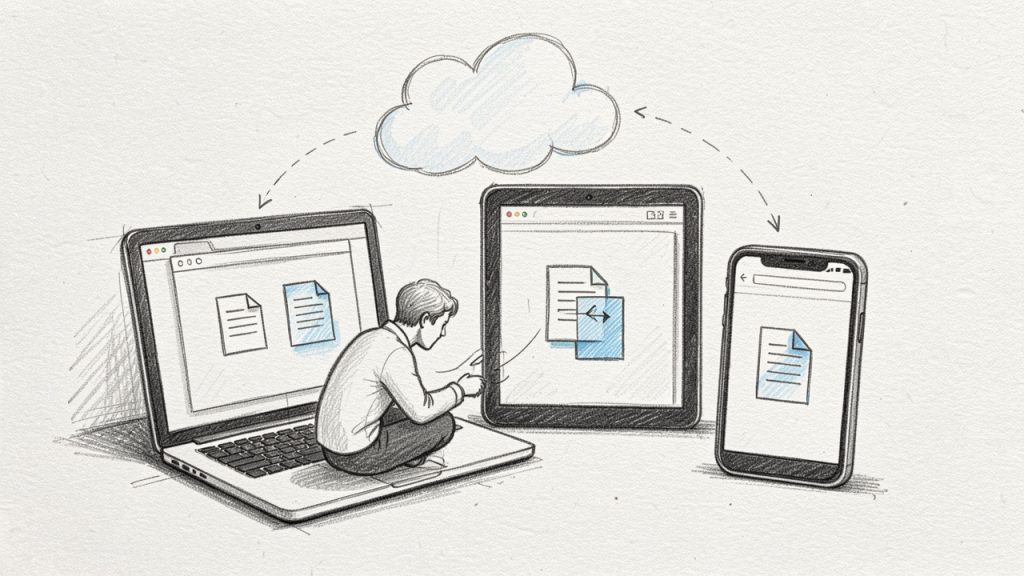
    For quick tasks, the browser-based approach is ideal. You can compress a file on a work laptop, a home machine, or even a device you do not fully control. That flexibility is especially helpful for freelancers and remote teams who move between devices and need a fast, dependable process.

    Person at a laptop using an online video compressor, showing an upload progress bar and a prominent 'Compress' button

    Supported formats and compatibility

    Not all compressors handle every format equally well. A practical tool should support common video types such as MP4, MOV, and WebM, because those are the formats most people use for online sharing and publishing.

    Compatibility also matters on the output side. If your compressed file needs to work on websites, social platforms, or client devices, MP4 is often the safest choice because it is broadly supported. That is why many users compress not just to shrink the file, but to make it more universally playable.

    Privacy and security

    When you upload a video to an online tool, you are trusting a third-party service with your content. For a personal clip that may not matter much, but for a client presentation, internal training file, or product demo, privacy becomes a serious issue.

    Before choosing a free tool, it is worth checking whether the service explains how long files are stored, whether uploads are encrypted, and whether videos are deleted automatically after processing. If your content is sensitive, local compression software may be safer, but a reputable online tool can still be a practical option for non-confidential material.

    Device performance

    Online compression can be easier on your computer than traditional editing software, but the browser still has to process the file. Very large videos can slow down older laptops or unstable connections, especially if the service does most of the work in the browser.

    That is why a good free compressor should feel lightweight and predictable. If the interface is clean and the workflow is simple, you can compress videos without turning a quick task into a technical project.

    Export settings and control

    The best tools give you some control over the outcome. That may include choices like target file size, output resolution, or compression level.

    This control is important because not every video has the same purpose. A video meant for Instagram may need different settings than a tutorial embedded on a website. If the tool lets you adjust resolution or bitrate, you can fine-tune the result instead of accepting a one-size-fits-all output.

    Here is a simple comparison of common compression priorities:

    PriorityWhat it helps withTrade-off
    Smaller file sizeFaster uploads and easier sharingLower visual quality
    Higher qualityCleaner playback and sharper detailLarger file size
    Faster processingQuick turnaroundLess control over settings
    Better compatibilityEasier playback across devicesFewer advanced format options

    Typical use cases

    A free online video compressor fits many everyday situations. A freelancer might use it to send a finished demo to a client. A small business might compress a promo video before uploading it to the website. A developer might shrink a sample clip for a product landing page to improve load speed.

    The practical value is not just convenience. Smaller files reduce friction at every stage, from sending and storing to publishing and viewing. That is why compression often becomes part of a simple, repeatable workflow rather than a one-time fix.

    How to Get Started with Video compressor online free

    Choose the right tool for the job

    Start by deciding what matters most for your video. If you care about quick sharing, choose a tool that emphasizes speed and easy export. If you care about quality, look for one that lets you adjust resolution or compression strength.

    It is also wise to choose a tool that clearly explains its limits. Some free services cap file size, limit the number of uploads, or watermark the output. Knowing those restrictions upfront saves time and avoids surprises after upload.

    Prepare the video before uploading

    A little preparation can improve results. If your video contains sections you do not need, trim them first. Shorter videos compress more efficiently and are easier to review.

    You should also think about the original resolution. If the clip was recorded in 4K but only needs to be shown in a small browser window, reducing resolution before or during compression can make the file much smaller without harming the viewing experience.

    If you want a simple workflow, keep this checklist in mind:

    • Use the right source file: Start with the cleanest version of the video available.
    • Trim unnecessary footage: Cut dead space before compressing.
    • Pick a practical format: MP4 is usually the safest choice for broad compatibility.
    • Test the output: Watch the compressed file before sending or publishing it.

    Upload and adjust settings

    Once the file is ready, upload it to the online compressor. Most tools will present a few settings, such as quality level, resolution, or compression percentage.

    A smart approach is to start with moderate compression rather than the most aggressive setting. That gives you a better chance of preserving clarity while still reducing size meaningfully. If the result is still too large, compress again with slightly stronger settings, then compare the difference.

    This step matters because the best result is usually found by testing, not guessing. A video that looks fine on a phone may show defects on a larger monitor, so previewing the output is worth the extra minute.

    Download and verify the result

    After processing, download the compressed file and check three things: playback, clarity, and final size.

    If the video stutters, looks overly soft, or became too small to be useful, adjust the settings and try again.

    For business use, this verification step is essential. A compressed product clip that looks fine in the browser but fails on a client’s device can create avoidable back-and-forth. A few seconds of testing can prevent that.

    Use compression as part of a workflow

    The real benefit of a video compressor online free tool comes when it becomes part of your regular workflow. Instead of treating video files as something to wrestle with at the last minute, you can compress them before sharing, uploading, or archiving.

    That habit helps in practical ways. Your website loads faster, your cloud storage stays cleaner, and your team spends less time waiting on transfers. For productivity-minded users, that efficiency adds up quickly.

    Conclusion

    A video compressor online free is one of the simplest ways to make video work less painful. It helps you reduce file size, improve sharing speed, and keep your content more manageable without installing software or spending money.

    The best results come from choosing the right tool, understanding the quality trade-off, and testing the output before you rely on it. If you want a smarter next step, start with one video you already use often, compress it with moderate settings, and compare the result. That small test will show you how much time and space a free online compressor can save.

  • WebP’ten PNG’ye: Ne Zaman Dönüştürülmelidir, Araçlar ve Komutlar

    WebP’ten PNG’ye: Ne Zaman Dönüştürülmelidir, Araçlar ve Komutlar

    Converting WebP to PNG sounds simple until you actually need the result to work everywhere. Maybe a design team needs a transparent image in a legacy workflow. Maybe a CMS refuses WebP uploads. Maybe you just want a raster file you can edit without surprises.

    The good news is there are fast online tools, reliable desktop apps, and developer-friendly commands that make WebP to PNG conversion easy. The better news is that you do not always need to convert at all. In many cases, keeping WebP is the smarter choice.

    1. What is WebP and why convert it to PNG?

    WebP is a modern image format created by Google to reduce file size while keeping good visual quality. It supports both lossy compression, which discards some data to shrink files, and lossless compression, which preserves pixel data more faithfully. It also supports transparency, which makes it useful for logos, UI assets, and images with cutouts.

    PNG is older, but still incredibly important. It is a lossless format, so it preserves image data without the quality loss associated with recompression. PNG is widely supported across browsers, operating systems, editing apps, and print-oriented workflows, which is why it remains a default choice for screenshots, graphics, and files that need consistent handling.

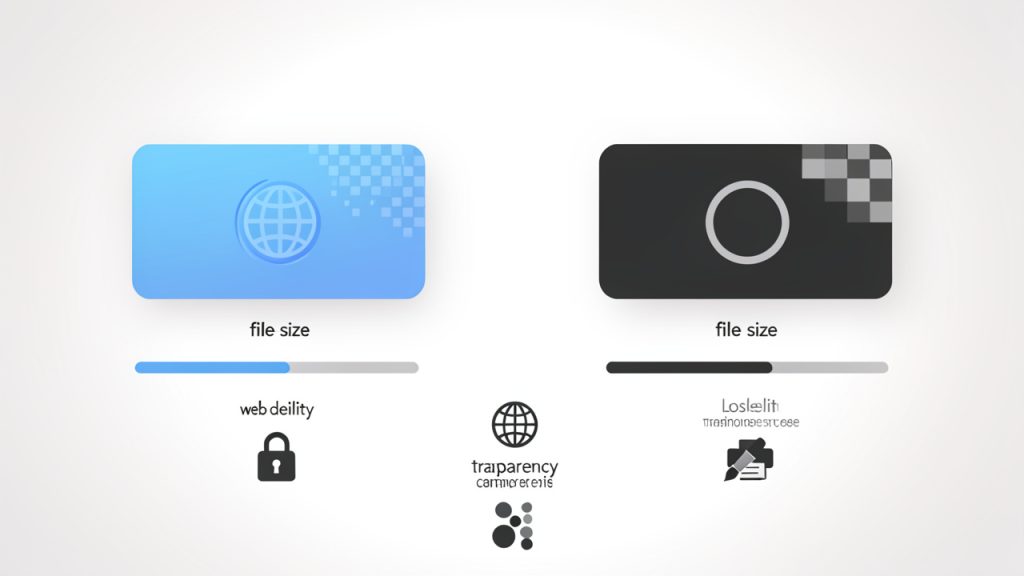
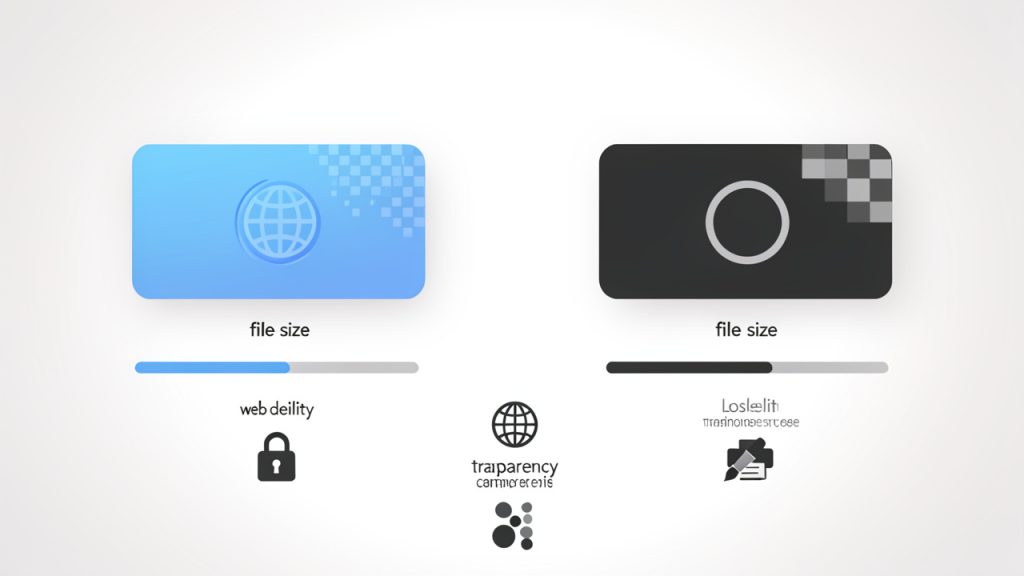
    Side-by-side visual comparison showing a WebP file and a PNG file: icons or thumbnails with callouts for key attributes (lossy/lossless support, typical file size, transparency support, common use cases like web delivery vs editing/printing). Include a small bar or numeric indicator showing typical file-size difference.

    Overview of WebP: origins, features, and typical use cases

    WebP was designed for the web, especially where bandwidth matters. It usually delivers smaller files than PNG and often smaller than JPEG too, depending on the content. That makes it ideal for websites, responsive image delivery, e-commerce listings, and content-heavy pages where performance matters. If the image is going to be displayed in a browser and you control the environment, WebP is often the more efficient format.

    Overview of PNG: features, strengths, and when it’s preferred

    PNG shines when you need exact visual fidelity. It is especially good for screenshots, icons, diagrams, UI assets, and images that need transparent backgrounds. It is also favored when software compatibility matters. Many older applications, print tools, DAM systems, and content workflows still handle PNG more reliably than WebP.

    Why conversion is needed: compatibility, editing, transparency, and printing

    The most common reason to convert WebP to PNG is compatibility. Some apps, platforms, and legacy systems still do not accept WebP. Others accept it poorly, especially in editing pipelines or batch import workflows. PNG is often a better fit for image editing in many cases because it behaves predictably in tools like Photoshop alternatives, desktop viewers, and asset managers. If you work with printing, archived assets, or screenshots that must stay visually consistent, PNG is often the safer format.

    2. When you should and shouldn’t convert WebP to PNG

    This is the decision most people skip, but it matters. Conversion is useful when PNG solves a real problem. If the only reason is habit, keeping WebP may be better.

    When to convert: compatibility, editing, archiving, design work, screenshots and raster manipulation

    Convert to PNG when the file must work in a legacy app, be edited in a tool that does not handle WebP well, or be used in a workflow that expects PNG. It is also a good choice for screenshots, UI mockups, technical diagrams, and raster assets that may be annotated, retouched, or archived for long-term access. In these cases, PNG’s predictability is a practical advantage.

    When to keep WebP: web performance, storage, responsive images

    Keep WebP when the image is primarily for web delivery and you care about speed, storage efficiency, and lower bandwidth usage. For modern websites, WebP often offers a better trade-off, and serving WebP through responsive images can dramatically reduce payload size, especially for photo-heavy pages.

    Trade-offs: file size, quality, metadata, alpha/transparency fidelity

    The biggest trade-off is file size. PNG is typically larger than WebP, sometimes much larger. That matters for storage, backups, uploads, and page weight. Quality is more nuanced. If the source WebP is lossy, converting it to PNG does not restore lost detail. It only preserves the current decoded pixels. Transparency usually survives well, but color profiles and metadata may not always transfer cleanly depending on the tool. A simple rule helps here: convert when compatibility matters more than file size, and keep WebP when performance matters more than universal editing support.

    Quick decision checklist

    • Will this image be edited, printed, or archived? PNG is often better.
    • Will it be served on a modern website only? WebP is often better.
    • Does the target app reject WebP? Convert it.
    • Is file size critical? Keep WebP if possible.

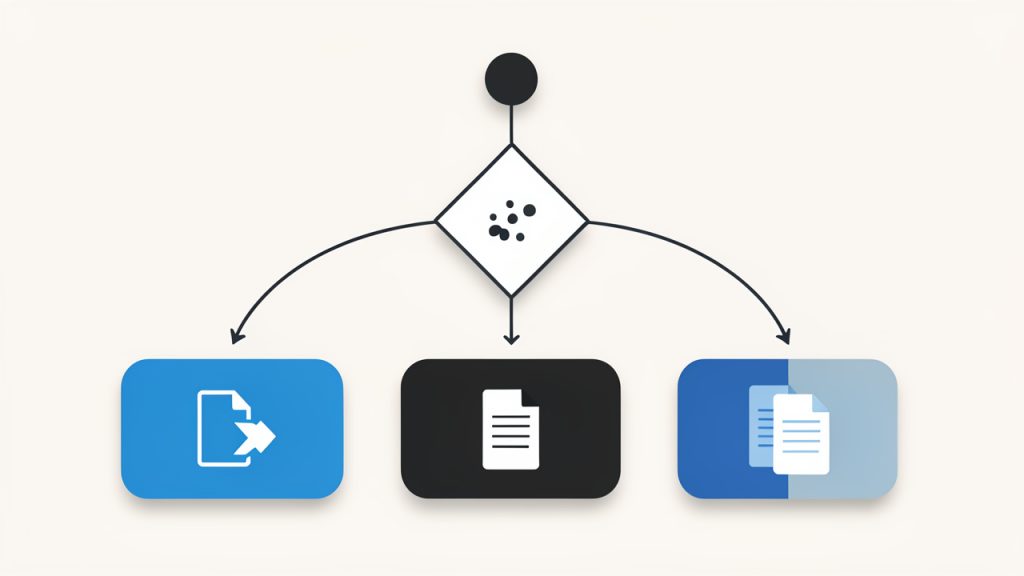
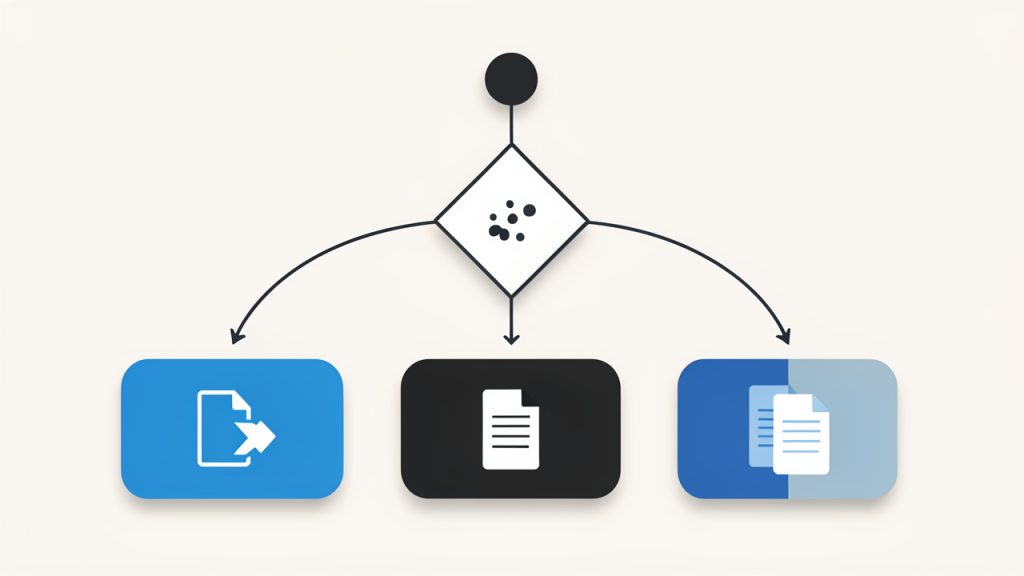
    A simple decision flowchart for the "Quick decision checklist": start node asks questions (Will this be edited/printed/archived? Is it for a modern website only? Does target app reject WebP? Is file size critical?) with arrows to outcomes: "Convert to PNG", "Keep WebP", or "Generate both (derive PNG for legacy)".

    3. Quick online tools to convert WebP to PNG

    If you need the fastest path, online converters are hard to beat for one-off conversions, quick proofs, and non-sensitive assets. Popular services include CloudConvert, Convertio, Ezgif, FreeConvert, and Online-Convert. They vary by batch support, metadata handling, file-size limits, and privacy posture. CloudConvert is flexible and supports batch jobs and an API. Convertio is fast and easy. Ezgif is lightweight and approachable for simple image tasks. FreeConvert and Online-Convert offer broad format support and more tuning options on paid tiers. For privacy-sensitive images, avoid third-party uploads and use an offline method instead.

    CloudConvert: https://cloudconvert.com, Convertio: https://convertio.co, Ezgif: https://ezgif.com, FreeConvert: https://www.freeconvert.com, Online-Convert: https://www.online-convert.com

    Security and privacy considerations for uploading images

    Online tools are convenient, but they create risk. If the image contains client work, private product shots, sensitive documents, internal screenshots, or personally identifiable information, uploading it to a third-party service may be inappropriate. Metadata is another concern. EXIF data can include camera info, location, timestamps, and software details. Some converters strip metadata automatically, while others may preserve parts of it. If privacy matters, assume nothing and verify the tool’s behavior. If the file is confidential, use an offline desktop method instead.

    4. Converting WebP to PNG on desktop

    Desktop conversion gives you more control, better privacy, and stronger batch workflow support. It is the right choice when you work with many files or care about repeatability.

    Windows: built-in and third-party options

    Windows users sometimes try Photos or Paint first. The trouble is that built-in tools can be inconsistent depending on version and installed codecs. A more dependable option is IrfanView, which is fast for image conversion and batch processing when the proper plugins are installed. The common workflow is to open the WebP file, choose save or export, and select PNG.

    Websites: https://www.microsoft.com/windows, https://www.irfanview.com

    macOS: Preview, ImageMagick, GraphicConverter

    On macOS, Preview is often enough for individual files: open the WebP, then export as PNG. For more control, ImageMagick is excellent for batch jobs, repeatable conversions, and automation. GraphicConverter provides a polished GUI with deep format support for users who want extensive options.

    Websites: https://www.apple.com, https://imagemagick.org, https://www.lemkesoft.de

    Linux: ImageMagick, GIMP, command-line examples

    Linux users typically rely on command-line tools. ImageMagick is the workhorse, and GIMP is a reliable GUI fallback. For a single file:

    magick input.webp output.png
    

    If your system uses the older command syntax:

    convert input.webp output.png
    

    For batch conversion in a directory:

    mkdir -p png_OUT
    for f in *.webp; do magick "$f" "${f%.webp}.png"; done
    

    ImageMagick usually preserves transparency automatically when the source supports alpha.

    Website: https://www.gimp.org

    Batch conversion with desktop apps

    Batch conversion is where desktop tools become much more efficient than online converters. IrfanView, GraphicConverter, and ImageMagick all support batch workflows. Processing dozens or thousands of files with consistent naming and predictable output makes desktop tools the smarter long-term option.

    5. Command-line and developer-friendly methods

    For developers, the command line is often the cleanest path because it is scriptable, auditable, and easy to integrate into build systems.

    ImageMagick: commands and flags

    ImageMagick can convert WebP to PNG, preserve alpha, and be integrated into shell scripts or CI jobs:

    magick input.webp output.png
    

    To keep metadata when possible:

    magick input.webp -define png:preserve-iCCP=true output.png
    

    Avoid -strip unless you want metadata removed. For batch conversion:

    for f in *.webp; do magick "$f" "${f%.webp}.png"; done
    

    ffmpeg: when to use it and example commands

    ffmpeg is useful in media pipelines, especially when WebP is part of a broader video or animation workflow. For a single WebP frame:

    ffmpeg -i input.webp output.png
    

    For animated WebP, ffmpeg can extract frames or inspect timing, though specialized WebP tools may be simpler for some tasks.

    Website: https://ffmpeg.org

    libwebp tools: dwebp usage and options

    The libwebp toolkit offers dwebp, a precise decoder for WebP files. For a dedicated WebP-to-PNG path:

    dwebp input.webp -o output.png
    

    libwebp tools can be easier to reason about than a general-purpose image suite when you need specific decoding behavior.

    Website: https://developers.google.com/speed/webp

    Node.js and Python libraries with sample code

    For application code, use libraries that already understand both formats.

    Node.js with sharp:

    import sharp from "sharp";
    
    await sharp("input.webp")
    ## .png()
      .toFile("output.png");
    

    sharp is fast and widely used in production.

    Python with Pillow:

    from PIL import Image
    
    img = Image.open("input.webp")
    img.save("output.png", "PNG")
    

    Pillow is ideal for scripts, automation, and lightweight batch jobs.

    Websites: https://sharp.pixelplumbing.com, https://python-pillow.org

    6. Automating conversion in workflows and CMS

    Manual conversion does not scale. If your team handles images regularly, automation will save time and reduce mistakes.

    Automated server-side conversion

    A common pattern is convert-on-upload. Store the original WebP, then create a PNG derivative for compatibility or downstream systems. This lets modern browsers receive WebP while legacy systems, admin tools, or print workflows get PNG. Another pattern is on-demand conversion, useful when PNG output is rare and you do not want to store multiple variants. The trade-off is extra compute at request time.

    Plugins and integrations for WordPress, Shopify, and headless CMSs

    Many CMS platforms have plugins or media pipelines that can serve format-specific variants. WordPress users often rely on image optimization plugins that generate or serve WebP while allowing fallback formats. For Shopify and headless CMS setups, the image pipeline around the platform is usually where conversion logic belongs, for example a middleware function that converts WebP to PNG only for systems that require it.

    Build-time conversion in static site generators

    Static site generators such as Gatsby, Hugo, and Eleventy are a strong fit for build-time image processing. If the site is rebuilt during deployment, you can generate PNG derivatives once and cache them as part of the output. This is useful when one source image must produce both a WebP asset for the site and a PNG asset for tooling that still expects PNG.

    7. Quality, color, and transparency pitfalls, and how to avoid them

    Conversion is usually safe, but subtle issues can surprise you.

    Common issues: color shifts, banding, alpha channel problems

    Color shifts often happen when color profiles are ignored or reinterpreted by different tools. Banding can appear if gradients are limited or if a lossy WebP is decoded and then viewed in contexts that expose quantization artifacts. Alpha channel issues are less common, but they matter. If transparency is present, make sure the tool preserves it and the target app understands the PNG alpha channel correctly.

    How to preserve transparency and color profiles

    Prefer tools known to preserve alpha reliably, such as ImageMagick, libwebp’s dwebp, Pillow, or sharp. For color accuracy, use tools that keep embedded profiles when possible. Avoid unnecessary metadata stripping unless intentional. When moving assets between design software and web workflows, verify the image in the target environment as part of QA.

    Testing and validation

    Open the converted PNG in at least two different viewers and compare it against the original. For teams, automate basic checks for dimensions, transparency presence, file size thresholds, and checksum tracking so problems show up before assets ship.

    8. Performance, storage, and best practices

    PNG is dependable, but it can be expensive in storage terms, so be selective.

    File size comparisons: WebP vs PNG

    As a rough rule, WebP often beats PNG on file size by a wide margin for photographic content and many mixed images. PNG can be acceptable for simple graphics, but it grows quickly with color complexity. For example, a 1 MB WebP might become a 3 MB or 5 MB PNG, depending on the image.

    When to use PNG-8 vs PNG-24 vs indexed palettes

    If the image has a limited color set, PNG-8 or indexed palettes can dramatically reduce size, which helps icons, simple logos, and flat graphics. Use PNG-24 for full color and smooth gradients. Test indexed palettes visually before adopting aggressive color reduction.

    Optimizing PNGs after conversion

    After converting, further shrink the result with PNG optimizers such as pngcrush, optipng, or zopflipng. A typical workflow is convert first, then optimize the PNG. That keeps quality decisions separate from compression tuning.

    Websites: http://optipng.sourceforge.net, https://pmt.sourceforge.io/pngcrush/, https://github.com/google/zopfli

    9. Privacy, security, and legal considerations

    Image conversion sounds harmless, but in business settings it can carry real risk.

    Risks of uploading images to third-party converters

    Third-party converters may store files temporarily, log metadata, or process uploads on infrastructure outside your control. For internal prototypes that may be fine. For client materials, unreleased product images, or sensitive screenshots, use offline tools.

    EXIF, IPR, and redistribution concerns

    EXIF metadata can reveal camera details, timestamps, and sometimes location data. When converting and redistributing assets, review metadata intentionally. Also remember conversion does not change ownership or usage rights. If you do not have the right to reuse an image, converting it does not make it safer to publish.

    Recommended safeguards and policies for teams

    Define when online conversion is allowed and when offline tools are mandatory. Use offline tools for anything confidential, strip metadata when appropriate, and document which conversion pipeline is used for public assets. That keeps compliance and process hygiene under control.

    10. Troubleshooting and FAQs

    Why does my converted PNG look different?

    Common causes include color profile differences, lossy source compression, or viewer discrepancies. If the source WebP was lossy, some detail loss is permanent. Try a different conversion tool, check whether metadata and profiles were preserved, and compare the image in a second viewer.

    How do I convert animated WebP to PNG?

    A single PNG cannot preserve animation. Animated WebP must be handled as frames. If you need still images, extract each frame. If you need animation preserved, consider GIF or MP4. ffmpeg or specialized WebP tools can help with frame extraction.

    I get errors with ImageMagick, what should I check?

    Confirm your ImageMagick build includes WebP support, check file permissions and path names, and use the correct command syntax for your version. On newer systems, use magick instead of the older convert command.

    How do I batch-convert thousands of images efficiently?

    Use a script and process files in chunks. ImageMagick or sharp are common choices. Add logging, retry handling, and post-conversion optimization so the workflow remains stable at scale.

    11. Cheat-sheet: commands and tools at a glance

    Task Tool Command
    Convert one WebP to PNG ImageMagick magick input.webp output.png
    Batch convert a folder ImageMagick for f in *.webp; do magick "$f" "${f%.webp}.png"; done
    Decode with libwebp dwebp dwebp input.webp -o output.png
    Convert in Node.js sharp sharp("input.webp").png().toFile("output.png")
    Convert in Python Pillow img.save("output.png", "PNG")
    Extract from animation workflow ffmpeg ffmpeg -i input.webp output.png

    For one-offs, use a trustworthy online converter for non-sensitive images. For offline desktop work, Preview, Paint, IrfanView, or GraphicConverter are convenient. For bulk server-side conversion, ImageMagick and sharp are strong general-purpose choices. For precision WebP decoding, use dwebp.

    Checklist before converting: confirm whether you really need PNG, whether the file contains transparency, and whether metadata matters. After converting, verify dimensions, transparency, color, and file size.

    12. Conclusion and recommended workflow

    The best WebP to PNG workflow depends on the job. If you need speed and the file is harmless, an online converter is fine. If you need control, privacy, or batch processing, use ImageMagick, dwebp, sharp, or Pillow. If you are building a modern web stack, consider keeping WebP for delivery and generating PNG only where compatibility demands it.

    A practical default is simple, keep WebP for performance, convert to PNG only when compatibility, editing, or workflow constraints require it. That approach saves storage, avoids unnecessary recompression, and keeps your image pipeline cleaner.

    Next step: choose one offline method, test it on a sample image with transparency and metadata, and standardize that conversion path for your team.

  • WebP to PNG: When to Convert, Tools & Commands

    WebP to PNG: When to Convert, Tools & Commands

    Converting WebP to PNG sounds simple until you actually need the result to work everywhere. Maybe a design team needs a transparent image in a legacy workflow. Maybe a CMS refuses WebP uploads. Maybe you just want a raster file you can edit without surprises.

    The good news is there are fast online tools, reliable desktop apps, and developer-friendly commands that make WebP to PNG conversion easy. The better news is that you do not always need to convert at all. In many cases, keeping WebP is the smarter choice.

    1. What is WebP and why convert it to PNG?

    WebP is a modern image format created by Google to reduce file size while keeping good visual quality. It supports both lossy compression, which discards some data to shrink files, and lossless compression, which preserves pixel data more faithfully. It also supports transparency, which makes it useful for logos, UI assets, and images with cutouts.

    PNG is older, but still incredibly important. It is a lossless format, so it preserves image data without the quality loss associated with recompression. PNG is widely supported across browsers, operating systems, editing apps, and print-oriented workflows, which is why it remains a default choice for screenshots, graphics, and files that need consistent handling.

    Side-by-side visual comparison showing a WebP file and a PNG file: icons or thumbnails with callouts for key attributes (lossy/lossless support, typical file size, transparency support, common use cases like web delivery vs editing/printing). Include a small bar or numeric indicator showing typical file-size difference.

    Overview of WebP: origins, features, and typical use cases

    WebP was designed for the web, especially where bandwidth matters. It usually delivers smaller files than PNG and often smaller than JPEG too, depending on the content. That makes it ideal for websites, responsive image delivery, e-commerce listings, and content-heavy pages where performance matters. If the image is going to be displayed in a browser and you control the environment, WebP is often the more efficient format.

    Overview of PNG: features, strengths, and when it’s preferred

    PNG shines when you need exact visual fidelity. It is especially good for screenshots, icons, diagrams, UI assets, and images that need transparent backgrounds. It is also favored when software compatibility matters. Many older applications, print tools, DAM systems, and content workflows still handle PNG more reliably than WebP.

    Why conversion is needed: compatibility, editing, transparency, and printing

    The most common reason to convert WebP to PNG is compatibility. Some apps, platforms, and legacy systems still do not accept WebP. Others accept it poorly, especially in editing pipelines or batch import workflows. PNG is often a better fit for image editing in many cases because it behaves predictably in tools like Photoshop alternatives, desktop viewers, and asset managers. If you work with printing, archived assets, or screenshots that must stay visually consistent, PNG is often the safer format.

    2. When you should and shouldn’t convert WebP to PNG

    This is the decision most people skip, but it matters. Conversion is useful when PNG solves a real problem. If the only reason is habit, keeping WebP may be better.

    When to convert: compatibility, editing, archiving, design work, screenshots and raster manipulation

    Convert to PNG when the file must work in a legacy app, be edited in a tool that does not handle WebP well, or be used in a workflow that expects PNG. It is also a good choice for screenshots, UI mockups, technical diagrams, and raster assets that may be annotated, retouched, or archived for long-term access. In these cases, PNG’s predictability is a practical advantage.

    When to keep WebP: web performance, storage, responsive images

    Keep WebP when the image is primarily for web delivery and you care about speed, storage efficiency, and lower bandwidth usage. For modern websites, WebP often offers a better trade-off, and serving WebP through responsive images can dramatically reduce payload size, especially for photo-heavy pages.

    Trade-offs: file size, quality, metadata, alpha/transparency fidelity

    The biggest trade-off is file size. PNG is typically larger than WebP, sometimes much larger. That matters for storage, backups, uploads, and page weight. Quality is more nuanced. If the source WebP is lossy, converting it to PNG does not restore lost detail. It only preserves the current decoded pixels. Transparency usually survives well, but color profiles and metadata may not always transfer cleanly depending on the tool. A simple rule helps here: convert when compatibility matters more than file size, and keep WebP when performance matters more than universal editing support.

    Quick decision checklist

    • Will this image be edited, printed, or archived? PNG is often better.
    • Will it be served on a modern website only? WebP is often better.
    • Does the target app reject WebP? Convert it.
    • Is file size critical? Keep WebP if possible.

    A simple decision flowchart for the "Quick decision checklist": start node asks questions (Will this be edited/printed/archived? Is it for a modern website only? Does target app reject WebP? Is file size critical?) with arrows to outcomes: "Convert to PNG", "Keep WebP", or "Generate both (derive PNG for legacy)".

    3. Quick online tools to convert WebP to PNG

    If you need the fastest path, online converters are hard to beat for one-off conversions, quick proofs, and non-sensitive assets. Popular services include CloudConvert, Convertio, Ezgif, FreeConvert, and Online-Convert. They vary by batch support, metadata handling, file-size limits, and privacy posture. CloudConvert is flexible and supports batch jobs and an API. Convertio is fast and easy. Ezgif is lightweight and approachable for simple image tasks. FreeConvert and Online-Convert offer broad format support and more tuning options on paid tiers. For privacy-sensitive images, avoid third-party uploads and use an offline method instead.

    CloudConvert: https://cloudconvert.com, Convertio: https://convertio.co, Ezgif: https://ezgif.com, FreeConvert: https://www.freeconvert.com, Online-Convert: https://www.online-convert.com

    Security and privacy considerations for uploading images

    Online tools are convenient, but they create risk. If the image contains client work, private product shots, sensitive documents, internal screenshots, or personally identifiable information, uploading it to a third-party service may be inappropriate. Metadata is another concern. EXIF data can include camera info, location, timestamps, and software details. Some converters strip metadata automatically, while others may preserve parts of it. If privacy matters, assume nothing and verify the tool’s behavior. If the file is confidential, use an offline desktop method instead.

    4. Converting WebP to PNG on desktop

    Desktop conversion gives you more control, better privacy, and stronger batch workflow support. It is the right choice when you work with many files or care about repeatability.

    Windows: built-in and third-party options

    Windows users sometimes try Photos or Paint first. The trouble is that built-in tools can be inconsistent depending on version and installed codecs. A more dependable option is IrfanView, which is fast for image conversion and batch processing when the proper plugins are installed. The common workflow is to open the WebP file, choose save or export, and select PNG.

    Websites: https://www.microsoft.com/windows, https://www.irfanview.com

    macOS: Preview, ImageMagick, GraphicConverter

    On macOS, Preview is often enough for individual files: open the WebP, then export as PNG. For more control, ImageMagick is excellent for batch jobs, repeatable conversions, and automation. GraphicConverter provides a polished GUI with deep format support for users who want extensive options.

    Websites: https://www.apple.com, https://imagemagick.org, https://www.lemkesoft.de

    Linux: ImageMagick, GIMP, command-line examples

    Linux users typically rely on command-line tools. ImageMagick is the workhorse, and GIMP is a reliable GUI fallback. For a single file:

    magick input.webp output.png
    

    If your system uses the older command syntax:

    convert input.webp output.png
    

    For batch conversion in a directory:

    mkdir -p png आउट
    for f in *.webp; do magick "$f" "png/${f%.webp}.png"; done
    

    ImageMagick usually preserves transparency automatically when the source supports alpha.

    Website: https://www.gimp.org

    Batch conversion with desktop apps

    Batch conversion is where desktop tools become much more efficient than online converters. IrfanView, GraphicConverter, and ImageMagick all support batch workflows. Processing dozens or thousands of files with consistent naming and predictable output makes desktop tools the smarter long-term option.

    5. Command-line and developer-friendly methods

    For developers, the command line is often the cleanest path because it is scriptable, auditable, and easy to integrate into build systems.

    ImageMagick: commands and flags

    ImageMagick can convert WebP to PNG, preserve alpha, and be integrated into shell scripts or CI jobs:

    magick input.webp output.png
    

    To keep metadata when possible:

    magick input.webp -define png:preserve-iCCP=true output.png
    

    Avoid -strip unless you want metadata removed. For batch conversion:

    for f in *.webp; do magick "$f" "${f%.webp}.png"; done
    

    ffmpeg: when to use it and example commands

    ffmpeg is useful in media pipelines, especially when WebP is part of a broader video or animation workflow. For a single WebP frame:

    ffmpeg -i input.webp output.png
    

    For animated WebP, ffmpeg can extract frames or inspect timing, though specialized WebP tools may be simpler for some tasks.

    Website: https://ffmpeg.org

    libwebp tools: dwebp usage and options

    The libwebp toolkit offers dwebp, a precise decoder for WebP files. For a dedicated WebP-to-PNG path:

    dwebp input.webp -o output.png
    

    libwebp tools can be easier to reason about than a general-purpose image suite when you need specific decoding behavior.

    Website: https://developers.google.com/speed/webp

    Node.js and Python libraries with sample code

    For application code, use libraries that already understand both formats.

    Node.js with sharp:

    import sharp from "sharp";
    await sharp("input.webp")
    ## .png()
      .toFile("output.png");
    

    sharp is fast and widely used in production.

    Python with Pillow:

    from PIL import Image
    img = Image.open("input.webp")
    img.save("output.png", "PNG")
    

    Pillow is ideal for scripts, automation, and lightweight batch jobs.

    Websites: https://sharp.pixelplumbing.com, https://python-pillow.org

    6. Automating conversion in workflows and CMS

    Manual conversion does not scale. If your team handles images regularly, automation will save time and reduce mistakes.

    Automated server-side conversion

    A common pattern is convert-on-upload. Store the original WebP, then create a PNG derivative for compatibility or downstream systems. This lets modern browsers receive WebP while legacy systems, admin tools, or print workflows get PNG. Another pattern is on-demand conversion, useful when PNG output is rare and you do not want to store multiple variants. The trade-off is extra compute at request time.

    Plugins and integrations for WordPress, Shopify, and headless CMSs

    Many CMS platforms have plugins or media pipelines that can serve format-specific variants. WordPress users often rely on image optimization plugins that generate or serve WebP while allowing fallback formats. For Shopify and headless CMS setups, the image pipeline around the platform is usually where conversion logic belongs, for example a middleware function that converts WebP to PNG only for systems that require it.

    Build-time conversion in static site generators

    Static site generators such as Gatsby, Hugo, and Eleventy are a strong fit for build-time image processing. If the site is rebuilt during deployment, you can generate PNG derivatives once and cache them as part of the output. This is useful when one source image must produce both a WebP asset for the site and a PNG asset for tooling that still expects PNG.

    7. Quality, color, and transparency pitfalls, and how to avoid them

    Conversion is usually safe, but subtle issues can surprise you.

    Common issues: color shifts, banding, alpha channel problems

    Color shifts often happen when color profiles are ignored or reinterpreted by different tools. Banding can appear if gradients are limited or if a lossy WebP is decoded and then viewed in contexts that expose quantization artifacts. Alpha channel issues are less common, but they matter. If transparency is present, make sure the tool preserves it and the target app understands the PNG alpha channel correctly.

    How to preserve transparency and color profiles

    Prefer tools known to preserve alpha reliably, such as ImageMagick, libwebp’s dwebp, Pillow, or sharp. For color accuracy, use tools that keep embedded profiles when possible. Avoid unnecessary metadata stripping unless intentional. When moving assets between design software and web workflows, verify the image in the target environment as part of QA.

    Testing and validation

    Open the converted PNG in at least two different viewers and compare it against the original. For teams, automate basic checks for dimensions, transparency presence, file size thresholds, and checksum tracking so problems show up before assets ship.

    8. Performance, storage, and best practices

    PNG is dependable, but it can be expensive in storage terms, so be selective.

    File size comparisons: WebP vs PNG

    As a rough rule, WebP often beats PNG on file size by a wide margin for photographic content and many mixed images. PNG can be acceptable for simple graphics, but it grows quickly with color complexity. For example, a 1 MB WebP might become a 3 MB or 5 MB PNG, depending on the image.

    When to use PNG-8 vs PNG-24 vs indexed palettes

    If the image has a limited color set, PNG-8 or indexed palettes can dramatically reduce size, which helps icons, simple logos, and flat graphics. Use PNG-24 for full color and smooth gradients. Test indexed palettes visually before adopting aggressive color reduction.

    Optimizing PNGs after conversion

    After converting, further shrink the result with PNG optimizers such as pngcrush, optipng, or zopflipng. A typical workflow is convert first, then optimize the PNG. That keeps quality decisions separate from compression tuning.

    Websites: http://optipng.sourceforge.net, https://pmt.sourceforge.io/pngcrush/, https://github.com/google/zopfli

    9. Privacy, security, and legal considerations

    Image conversion sounds harmless, but in business settings it can carry real risk.

    Risks of uploading images to third-party converters

    Third-party converters may store files temporarily, log metadata, or process uploads on infrastructure outside your control. For internal prototypes that may be fine. For client materials, unreleased product images, or sensitive screenshots, use offline tools.

    EXIF, IPR, and redistribution concerns

    EXIF metadata can reveal camera details, timestamps, and sometimes location data. When converting and redistributing assets, review metadata intentionally. Also remember conversion does not change ownership or usage rights. If you do not have the right to reuse an image, converting it does not make it safer to publish.

    Recommended safeguards and policies for teams

    Define when online conversion is allowed and when offline tools are mandatory. Use offline tools for anything confidential, strip metadata when appropriate, and document which conversion pipeline is used for public assets. That keeps compliance and process hygiene under control.

    10. Troubleshooting and FAQs

    Why does my converted PNG look different?

    Common causes include color profile differences, lossy source compression, or viewer discrepancies. If the source WebP was lossy, some detail loss is permanent. Try a different conversion tool, check whether metadata and profiles were preserved, and compare the image in a second viewer.

    How do I convert animated WebP to PNG?

    A single PNG cannot preserve animation. Animated WebP must be handled as frames. If you need still images, extract each frame. If you need animation preserved, consider GIF or MP4. ffmpeg or specialized WebP tools can help with frame extraction.

    I get errors with ImageMagick, what should I check?

    Confirm your ImageMagick build includes WebP support, check file permissions and path names, and use the correct command syntax for your version. On newer systems, use magick instead of the older convert command.

    How do I batch-convert thousands of images efficiently?

    Use a script and process files in chunks. ImageMagick or sharp are common choices. Add logging, retry handling, and post-conversion optimization so the workflow remains stable at scale.

    11. Cheat-sheet: commands and tools at a glance

    TaskToolCommand
    Convert one WebP to PNGImageMagickmagick input.webp output.png
    Batch convert a folderImageMagickfor f in *.webp; do magick "$f" "${f%.webp}.png"; done
    Decode with libwebpdwebpdwebp input.webp -o output.png
    Convert in Node.jssharpsharp("input.webp").png().toFile("output.png")
    Convert in PythonPillowimg.save("output.png", "PNG")
    Extract from animation workflowffmpegffmpeg -i input.webp output.png

    For one-offs, use a trustworthy online converter for non-sensitive images. For offline desktop work, Preview, Paint, IrfanView, or GraphicConverter are convenient. For bulk server-side conversion, ImageMagick and sharp are strong general-purpose choices. For precision WebP decoding, use dwebp.

    Checklist before converting: confirm whether you really need PNG, whether the file contains transparency, and whether metadata matters. After converting, verify dimensions, transparency, color, and file size.

    12. Conclusion and recommended workflow

    The best WebP to PNG workflow depends on the job. If you need speed and the file is harmless, an online converter is fine. If you need control, privacy, or batch processing, use ImageMagick, dwebp, sharp, or Pillow. If you are building a modern web stack, consider keeping WebP for delivery and generating PNG only where compatibility demands it.

    A practical default is simple, keep WebP for performance, convert to PNG only when compatibility, editing, or workflow constraints require it. That approach saves storage, avoids unnecessary recompression, and keeps your image pipeline cleaner.

    Next step: choose one offline method, test it on a sample image with transparency and metadata, and standardize that conversion path for your team.

  • Password Generator Online: Create Strong Unique Passwords Fast

    Password Generator Online: Create Strong Unique Passwords Fast

    A weak password can undo years of careful work in a single breach. For small business owners, freelancers, developers, and anyone managing dozens of accounts, password fatigue is real. You need strong credentials for email, banking, cloud apps, client portals, project tools, and social platforms, but creating unique passwords by hand is tedious and unreliable.

    That’s exactly why a password generator online has become such a practical tool. It removes guesswork, creates high-entropy passwords in seconds, and helps you avoid the common habits attackers count on, like reused phrases, predictable substitutions, and short combinations. Used well, an online password generator can dramatically improve account security without slowing down your workflow.

    What is Password generator online?

    A password generator online is a web-based tool that automatically creates strong, random passwords for you. Instead of thinking up your own combinations, you choose preferences such as length, symbols, numbers, uppercase letters, or memorable passphrases, and the tool generates a password instantly.

    At its core, the idea is simple. Humans are not good at randomness. We tend to reuse old patterns, favorite words, dates, or familiar keyboard sequences. An online password generator avoids those habits by producing credentials that are much harder to predict or crack through brute-force attacks, dictionary attacks, or credential stuffing attempts.

    For most users, the appeal is speed and convenience. You open the tool, generate a password, copy it, and use it for a new account or to replace a weak one. For professionals, the value goes deeper. A good generator supports stronger security policies, faster onboarding, and cleaner account management across teams and devices.

    Why online password generators matter more than ever

    The average user now manages far more digital accounts than they did a few years ago. Even a solo freelancer may have logins for invoicing, CRM software, cloud storage, video calls, design tools, analytics dashboards, and multiple client environments.

    That growth creates a familiar problem. If every password must be unique and secure, you either need a reliable system or you end up taking shortcuts. Many people choose easy-to-remember variations of the same password. That feels efficient, but it creates a domino effect. If one site is compromised, attackers test the same password elsewhere.

    A password generator online breaks that cycle by making strong, unique passwords easy to create at the moment you need them. Instead of relying on memory, you rely on randomness and proper storage.

    Password generator vs password manager

    These tools are related, but they are not the same. A password generator creates a strong password. A password manager stores and organizes those passwords so you do not have to memorize them.

    In practice, they work best together. Many password managers include a built-in generator, but standalone online tools are still useful when you need a quick password on a device where you are not logged into your manager, or when you want a simple, no-friction way to create secure credentials.

    Key Aspects of Password generator online

    Not all password generators are equally useful. The best ones combine strong randomness, flexible options, and sensible defaults. If you are choosing a tool for personal use or recommending one within a business, it helps to understand what really matters.

    Randomness is the foundation

    The biggest advantage of a password generator online is randomness. Strong passwords are not just long, they are also unpredictable. A password like Summer2024! may appear complex at first glance, but it follows a pattern that attackers know well. It contains a common word, a recent year, and a common symbol.

    A randomly generated password, by contrast, does not follow a recognizable pattern. That unpredictability increases what security professionals call entropy, which is a measure of how hard a password is to guess. The more entropy a password has, the more resistant it is to automated attacks.

    This is where quality matters. A trustworthy generator should rely on strong browser-based randomness rather than simplistic formulas. You may not see that technology directly, but it affects the strength of every password produced.

    Side-by-side comparison showing weak and strong passwords, with an entropy meter under each example

    Human-created (predictable) vs Random character password vs Random passphrase, with a simple entropy/strength indicator.

    Length usually matters more than complexity alone

    Many people focus only on special characters. Symbols do help, but length is often the bigger factor. A short password with mixed characters can still be vulnerable. A longer password, especially one generated randomly, is dramatically harder to crack.

    For many accounts, a password length of 16 to 20 characters is a strong default. For highly sensitive accounts such as email, banking, admin panels, and password managers, going longer is wise if the platform allows it.

    Some generators also offer passphrases, which use multiple random words. These can be easier to type and remember when needed, while still offering strong protection if they are sufficiently long and truly random.

    Customization improves usability

    A useful online generator gives you control without forcing you to think too hard. You may need to include or exclude specific character types because some websites have frustrating password rules. You may also need to avoid ambiguous characters such as lowercase L, uppercase I, or zero and uppercase O.

    That flexibility matters in real-world use. A password that is mathematically strong but difficult to enter correctly on mobile, or rejected by a website’s legacy requirements, creates friction. Good tools balance security with practical usability.

    Here is a simple comparison of common password styles:

    Password Type Example Style Strength Potential Ease of Use Best For
    Random character password Mixed letters, numbers, symbols Very high Moderate Most online accounts
    Long alphanumeric password Letters and numbers only High Good Sites with symbol restrictions
    Passphrase Several random words High to very high Very good Accounts you may need to type manually
    Human-created password Familiar word plus variations Low to moderate Good at first, poor long term Not recommended

    Privacy and trust are essential

    When people search for a password generator online, they often focus on convenience first. That is understandable, but trust should come first. You are using a security tool, so it should not create new risks.

    A good online password generator should ideally generate passwords locally in your browser, rather than sending them to a server, which reduces exposure and aligns with the basic principle of minimizing data transmission. Even if the password is only visible briefly, you want as little external handling as possible.

    Illustration showing local/browser-based generation vs server transmission

    Generate locally when possible vs Avoid sending passwords to remote servers.

    Transparency also helps. Reputable tools usually explain how passwords are generated, whether anything is stored, and what privacy protections are in place. If a site is vague, cluttered with suspicious ads, or pushes odd permissions, move on.

    Strong passwords are only one part of security

    Generating a strong password is a major step, but it is not the entire security strategy. Even the best password can be undermined if it is reused across sites, shared insecurely, or stored in a spreadsheet named “logins-final-final.”

    This is especially relevant for small teams. A business may adopt stronger passwords but still struggle because credentials are copied into chat apps or shared through email. The real goal is not just stronger passwords, but stronger password practices.

    That usually means combining a password generator with a password manager, enabling two-factor authentication, reviewing old accounts, and limiting access by role. Security improves most when these habits work together.

    Common mistakes people still make

    One of the most common mistakes is generating a strong password, then slightly modifying it for other accounts. That defeats much of the benefit. Attackers look for patterns, and small variations are easier to predict than most people realize.

    Another frequent issue is prioritizing memorability over strength for every account. In reality, most passwords do not need to be memorized if they are stored in a secure password manager. Trying to remember all of them usually pushes people back toward weak, repeated patterns.

    A third mistake is ignoring account importance. Not every login carries the same risk. Your email account, domain registrar, payment systems, cloud storage, and admin dashboards deserve the strongest possible credentials because they often act as gateways to everything else.

    How to Get Started with Password generator online

    Getting started is straightforward, but doing it well makes a noticeable difference. The goal is not simply to generate one strong password. It is to build a repeatable habit that improves your security across all accounts.

    Start with your highest-risk accounts

    If you have been using weak or repeated passwords, do not feel like you need to fix everything in one sitting. Start with the accounts that matter most. In most cases, that means your primary email, banking, password manager, cloud storage, and any business-critical software.

    These are the accounts that can trigger broader compromise if accessed by an attacker. Securing them first gives you the highest return for your effort.

    A practical first pass usually includes:

    1. Email account: This is often the recovery hub for everything else.
    2. Banking and payment tools: Financial systems need immediate attention.
    3. Password manager: Protect the vault before anything else.
    4. Business admin accounts: Hosting, domains, cloud tools, and client systems.
    5. Frequently reused accounts: Replace any password that appears in multiple places.

    Choose sensible generator settings

    When using a password generator online, pick settings that fit both security and the platform you are using. For most modern websites, a random password of 16 or more characters that includes uppercase, lowercase, numbers, and symbols is an excellent choice.

    If you expect to type the password manually, a passphrase or a password without ambiguous characters may be more practical. If a site has odd restrictions, adapt the output, but avoid over-simplifying just for convenience. It is better to use a long alphanumeric password than a short one with forced complexity.

    Store passwords properly from day one

    This step matters just as much as generation. If you create strong passwords but save them in insecure notes, browser text files, or shared documents, you lose much of the protection.

    A password manager is the best companion to an online generator. It lets you create, store, and autofill unique passwords across services without relying on memory. For teams, it also creates safer sharing workflows and better visibility into who has access to what.

    If you are a freelancer or business owner, this can also improve continuity. When tools, client portals, or financial platforms are stored properly, access is less likely to get lost during device changes, contractor handoffs, or urgent support situations.

    Use passphrases when they make more sense

    Not every account needs a dense string of characters that looks impossible to type. Sometimes a random passphrase is the smarter choice, especially for systems you access manually on multiple devices.

    A well-generated passphrase made of unrelated words can offer strong security while remaining easier to enter accurately. The key is that the words must be random, not chosen from personal preferences or familiar phrases.

    For example, a random passphrase works well for Wi-Fi access, encrypted backups, or accounts that require occasional manual login. For everything else, traditional random passwords are still a strong default.

    Build a simple ongoing routine

    A security habit only works if it is sustainable. The easiest approach is to use a generator every time you create a new account or change an old password. Make uniqueness your default, not your exception.

    It also helps to review older accounts in batches. Update a few each week rather than turning it into a one-time project you never finish. Over time, your weakest credentials get replaced without creating unnecessary friction.

    If you manage a team, set a clear standard. Encourage unique generated passwords, require two-factor authentication where possible, and avoid informal credential sharing. Good security is easier to maintain when the process is consistent.

    What to look for in a good online password generator

    Before choosing a tool, focus on a few practical signals of quality:

    FeatureWhy It Matters
    Local browser generationReduces the chance of passwords being transmitted or logged remotely
    Adjustable lengthLets you create stronger passwords for sensitive accounts
    Character controlsHelps meet site requirements without weakening security
    Passphrase optionUseful for manually entered credentials
    Clear privacy informationBuilds trust and shows security maturity
    Clean interfaceReduces mistakes and speeds up everyday use

    Conclusion

    A password generator online is one of the simplest security upgrades you can make, and one of the most effective. It helps you create strong, unique passwords quickly, reduces reliance on predictable patterns, and supports better security across personal and business accounts alike.

    The next step is practical. Pick a trustworthy generator, pair it with a password manager, and start by updating your most important accounts. Once strong password creation becomes part of your normal workflow, better security stops feeling like a chore and starts feeling automatic.

  • Amortization Calculator: See Your Loan Schedule & Savings

    Amortization Calculator: See Your Loan Schedule & Savings

    Borrowing money feels simple right up until the payments start. A loan quote might show one monthly number, but it rarely tells the full story of how much goes to interest, how fast the balance drops, or what an extra payment could really save you. That gap is exactly where an amortization calculator becomes useful.

    For small business owners, freelancers, developers, and anyone managing cash flow carefully, this tool turns loan math into something practical. Instead of guessing, you can see the payment schedule, total interest, payoff timeline, and the trade-offs between loan terms. It is one of the most useful financial tools online because it helps you make decisions before signing, refinancing, or accelerating a payoff.

    What is Amortization calculator?

    An amortization calculator is a tool that shows how a loan is repaid over time through scheduled payments. It takes the core inputs, usually the loan amount, interest rate, loan term, and payment frequency, then calculates how each payment is split between principal and interest.

    At the beginning of many loans, a larger share of each payment goes toward interest. Over time, that shifts, and more of the payment starts reducing the principal balance. This gradual rebalancing is called amortization. The calculator lays it out clearly, often month by month, so you can see exactly what happens from the first payment to the last.

    Side-by-side comparison graphic for two loans with the same principal and rate but different terms: left panel—line showing remaining balance over time for the shorter term (steeper decline); right panel—line for the longer term (shallower decline). Below the lines, two bars comparing total interest paid (shorter term much lower than longer term).

    This matters because the same monthly payment can hide very different financial outcomes. A five-year loan and a seven-year loan may both seem manageable, but the longer term usually means paying more total interest. An amortization calculator makes those differences visible in seconds.

    For business users, this is especially valuable. If you are financing equipment, taking a working capital loan, or evaluating a commercial real estate mortgage, understanding repayment structure is not just about affordability. It is about timing, liquidity, and the true cost of debt.

    Why the schedule matters more than the payment alone

    Many borrowers focus only on whether they can afford the monthly payment. That is understandable, but it is incomplete. A loan is not just a monthly bill, it is a long-term cash commitment with a built-in cost curve.

    An amortization schedule shows that curve. It answers questions like how much interest you will pay in year one, how quickly equity builds, and how much faster the balance drops if you make additional payments. Those details can affect budgeting, tax planning, and investment decisions.

    Common loans that use amortization

    The idea of amortization appears across several borrowing situations. Mortgages are the most familiar example, but they are not the only one. Auto loans, personal loans, student loans, and many business loans also use amortized repayment structures.

    Different lenders may present terms differently, but the underlying logic is the same. You borrow a principal amount, interest accrues according to the rate, and each scheduled payment gradually reduces the balance until it reaches zero.

    Key Aspects of Amortization calculator

    The most useful amortization calculators do more than produce a single payment amount. They give you a full repayment picture, which helps you compare scenarios and avoid expensive assumptions.

    The core inputs that drive the result

    Every amortization calculator depends on a few essential variables. The principal is the amount borrowed. The interest rate determines the cost of borrowing. The term sets how long you repay the loan, and the payment frequency defines whether payments are monthly, biweekly, or another schedule.

    A small change in one of these inputs can have a large impact on total interest. For example, lowering the rate by even one percentage point can save thousands over the life of a mortgage. Shortening the term often raises the monthly payment, but it can dramatically reduce the total borrowing cost.

    This is why calculators are so valuable for comparison. They let you test realistic scenarios before you commit. Instead of relying on a lender’s headline number, you can examine the full repayment pattern.

    Principal vs interest, the split that shapes your loan

    One of the most important concepts in any amortization schedule is the difference between principal and interest. Principal is the original amount you borrowed. Interest is the lender’s charge for providing the loan.

    In the early stage of an amortized loan, interest tends to consume a larger portion of the payment because the balance is still high. As the principal declines, the interest portion shrinks too. That means later payments do more of the real work in eliminating the debt.

    This is why early extra payments can be so powerful. If you reduce principal sooner, future interest is calculated on a smaller balance. Over time, that compounds into meaningful savings.

    Stacked area chart showing a single loan’s amortization over time: x-axis = time (months/years), y-axis = payment amount. The lower area (principal) grows over time while the upper area (interest) shrinks, with labels pointing to an early payment (mostly interest) and a late payment (mostly principal). Include a small table excerpt showing one month’s payment split (principal vs interest).

    Loan term and total cost

    A lower monthly payment often looks attractive, especially when cash flow is tight. But stretching a loan over a longer term usually means paying more interest overall. An amortization calculator helps you see that trade-off clearly.

    Consider two loans with the same principal and rate but different terms. The longer loan may feel safer month to month, yet it can keep you in debt much longer and increase the total repayment significantly. For a small business, that can affect available capital for hiring, inventory, software, or marketing.

    The right answer depends on your priorities. Sometimes preserving cash flow matters more than minimizing interest. Other times, an aggressive payoff is the smarter move. The calculator does not make the decision for you, but it gives you the data to make a better one.

    Extra payments and early payoff

    One of the most practical uses of an amortization calculator is testing extra payments. Even modest additional payments can shorten the loan term and reduce total interest. This is especially helpful for mortgages and business loans where the original term is long.

    If you add a small amount to each monthly payment, apply an annual lump sum, or make biweekly payments instead of monthly ones, the tool can show how much time and money you save. For productivity-minded users, this is where the calculator becomes less of a reference tool and more of a planning tool.

    It also helps with timing. You can compare whether it is better to make one larger prepayment now or spread smaller extra payments over time. In many cases, earlier is better, because principal reduction has more time to lower future interest charges.

    Fixed-rate vs variable-rate considerations

    Most online amortization calculators work best with fixed-rate loans, where the payment structure remains predictable. With a fixed rate, the calculator can generate a stable schedule from start to finish.

    Variable-rate loans are different because the interest rate may change over time. In that case, an amortization calculator still helps, but the results are only as accurate as the assumptions you enter. It becomes a model rather than a final forecast.

    That distinction matters. If you are reviewing a line of credit, adjustable mortgage, or another flexible financing product, use the calculator to understand possible outcomes, not to assume certainty. It is a decision aid, not a guarantee.

    What a good amortization calculator should show

    A basic calculator gives you a payment estimate. A strong one provides a full schedule and enough visibility to compare scenarios intelligently.

    Here is what the best tools typically include:

    FeatureWhy It Matters
    Monthly payment estimateHelps you assess affordability immediately
    Amortization scheduleShows each payment’s split between principal and interest
    Total interest paidReveals the full cost of borrowing
    Remaining balance over timeUseful for refinancing, resale, or payoff planning
    Extra payment simulationHelps test strategies for saving time and interest
    Term comparisonMakes it easier to compare short vs long loan structures

    For practical users, the schedule is often the real value. It turns abstract loan math into a timeline you can work with.

    How to Get Started with Amortization calculator

    Using an amortization calculator is straightforward, but getting accurate insights depends on entering the right assumptions. The tool is simple. The decision-making around it is where the real value lies.

    Start with accurate loan details

    Before using any calculator, gather the exact loan information you are working with. Estimates are fine for brainstorming, but if you are comparing real offers, precision matters.

    Use these inputs:

    1. Loan amount: Enter the amount you plan to borrow or still owe.
    2. Interest rate: Use the annual rate, and confirm whether it is fixed or variable.
    3. Loan term: Enter the length of repayment in months or years.
    4. Payment frequency: Choose monthly, biweekly, or the schedule your lender uses.

    If your loan includes fees, points, insurance, or irregular payment structures, remember that a standard amortization calculator may not capture every nuance. It gives you a strong baseline, not always a complete legal or accounting picture.

    Run multiple scenarios, not just one

    The biggest mistake people make is using the calculator once and treating the result as final. The smarter approach is to test several scenarios. Compare a shorter term against a longer one. See what happens if you make extra payments. Adjust the rate to reflect better or worse lending offers.

    This scenario-based approach is useful for both households and businesses. A freelancer deciding between preserving monthly liquidity and minimizing interest can compare both paths. A business owner considering equipment financing can model whether a faster payoff aligns with revenue timing.

    An amortization calculator becomes more powerful when it is used like a planning dashboard rather than a one-time estimate tool.

    Use the results to support better budgeting

    Once you have the schedule, connect it to your real cash flow. This is where the math becomes actionable. A monthly payment that looks affordable on paper may still create stress if it lands during your slow season or overlaps with payroll, rent, software subscriptions, and tax obligations.

    For businesses, the loan should fit the operating rhythm of the company. For individuals and freelancers, it should fit the income pattern, especially if earnings vary from month to month. The calculator helps you see the cost. Your budget tells you whether the timing actually works.

    This is also where extra payments should be evaluated realistically. A strategy is only helpful if you can sustain it without creating new financial pressure elsewhere.

    Know when calculator results need context

    An amortization calculator is excellent for standard installment loans, but some lending products require more interpretation. Interest-only periods, balloon payments, lines of credit, and loans with changing rates can produce repayment behavior that a simple calculator does not fully reflect.

    In those situations, use the calculator as a guide, then verify the details against the lender’s disclosures or your financial advisor’s input. The goal is not blind trust in a tool. The goal is informed clarity.

    A simple example of how insights change decisions

    Imagine you are comparing two loan options for a $50,000 business purchase. One has a shorter term and higher monthly payment. The other stretches the repayment out for lower monthly pressure. Without an amortization calculator, the second option may seem obviously safer.

    But once you view the full schedule, you may discover that the longer loan adds a substantial amount of total interest. If your revenue can comfortably support the higher payment, the shorter term may be far more efficient. On the other hand, if cash flow is volatile, the lower payment may be worth the extra cost because it reduces operational risk.

    That is the value of the calculator. It does not just show numbers. It changes how you frame the decision.

    Conclusion

    An amortization calculator is one of the simplest ways to understand the true structure of a loan. It shows more than a payment amount. It reveals how interest accumulates, how principal declines, and how term length or extra payments can reshape the full cost of borrowing.

    If you are evaluating a mortgage, personal loan, auto loan, or business financing, the next step is to run your own numbers with realistic inputs and compare at least two or three scenarios. That small effort can save money, improve cash flow decisions, and give you far more confidence before you borrow or pay ahead.

  • Mortgage Calculator: Know Your True Monthly Cost

    Mortgage Calculator: Know Your True Monthly Cost

    A home purchase can look affordable right up until the monthly payment appears on screen. That is the moment many buyers realize the sale price is only part of the story. Interest, taxes, insurance, down payment, and loan term all shape what you will actually pay each month, and over the life of the loan, the difference can be enormous.

    That is why a mortgage calculator is one of the most useful financial tools available online. It turns a vague idea like “Can I afford this house?” into a clearer, more practical answer. For small business owners, freelancers, developers, and anyone who values efficient decision-making, a good mortgage calculator saves time, reduces guesswork, and helps you plan with more confidence.

    What is Mortgage calculator?

    A mortgage calculator is a tool that estimates the cost of financing a home. At its simplest, it uses the loan amount, interest rate, and repayment term to show your expected monthly payment. More advanced versions include property taxes, homeowners insurance, PMI, HOA fees, and even extra monthly payments.

    The reason this tool matters is simple. A mortgage is not just a single price tag. It is a long-term financial commitment made up of many moving parts. A mortgage calculator helps you see those parts together, so you can understand both your monthly obligation and the total cost over time.

    For many buyers, the calculator acts like a reality check. You may discover that a slightly smaller loan with a larger down payment creates a much more comfortable budget. Or you may learn that a lower interest rate saves tens of thousands of dollars over the life of the mortgage. Those are not abstract differences. They affect cash flow, savings goals, and financial flexibility for years.

    This is especially important if your income is variable. Freelancers and business owners often have uneven monthly revenue, which makes fixed obligations feel heavier during slower periods. A mortgage calculator helps you model a payment that fits not just your best months, but your average and leaner months too.

    What a mortgage calculator typically includes

    Most mortgage calculators center on a few core inputs. The home price is the purchase price of the property. The down payment reduces how much you need to borrow. The loan term is commonly 15 or 30 years, and the interest rate determines how much you pay to borrow the money.

    More complete calculators also estimate the full monthly housing cost. That often includes property taxes, homeowners insurance, and PMI if your down payment is below a certain threshold. This broader view matters because borrowers often focus on principal and interest alone, while the true monthly cost is higher.

    Why this tool matters before you apply

    Using a mortgage calculator before speaking with a lender gives you a stronger starting point. You can test different purchase prices, compare loan terms, and understand how much room you have in your budget. That makes conversations with lenders more productive because you are not starting from zero.

    It also helps prevent emotional decisions. Real estate shopping can become aspirational very quickly. A calculator introduces discipline. It translates excitement into numbers, and numbers are much better at protecting your long-term financial health.

    Key Aspects of Mortgage calculator

    A useful mortgage calculator does more than produce a monthly payment. It reveals how borrowing works over time. Once you understand the key moving parts, you can use the tool to make smarter decisions rather than simply generating estimates.

    Principal and interest

    The basic mortgage payment is made up of principal and interest. Principal is the amount you borrowed. Interest is what the lender charges you for that loan. In the early years of many mortgages, a larger share of your payment goes toward interest rather than principal.

    This surprises a lot of first-time buyers. A calculator can show the amortization effect, which is the shifting balance between interest and principal over time. Seeing that breakdown helps you understand why making extra payments early in the loan can have a meaningful impact.

    Amortization chart showing payment composition over time: stacked area or two-line visualization where the interest portion is large at the start and shrinks over time while the principal portion grows. Annotate early years with higher interest share and later years with higher principal share, and label total years on the x-axis.

    Loan term and monthly affordability

    The loan term has a major effect on both monthly payment and total interest paid. A 30-year mortgage usually gives you lower monthly payments, which can ease pressure on your budget. A 15-year mortgage usually comes with higher monthly payments, but you often pay substantially less in interest overall.

    A mortgage calculator makes this trade-off visible. That visibility is valuable because “affordable” can mean two different things. One definition is a lower monthly payment. The other is a lower total borrowing cost. The right choice depends on your income stability, savings goals, and tolerance for fixed expenses.

    Interest rate sensitivity

    Small changes in interest rates can create large changes in total cost. Even a fraction of a percentage point matters. A mortgage calculator lets you run side-by-side scenarios so you can see the effect of a slightly lower or higher rate.

    This becomes especially helpful when deciding whether to lock a rate, improve your credit before applying, or compare lenders more carefully. What looks like a minor difference on paper can translate into major savings over decades.

    Down payment impact

    Your down payment affects multiple parts of the mortgage equation. A larger down payment reduces the loan amount, which lowers monthly principal and interest. It may also help you avoid PMI, depending on the loan structure and lender requirements.

    At the same time, putting more cash down can reduce your liquidity. That matters for entrepreneurs, contractors, and self-employed buyers who may need accessible reserves for business operations or income variability. A mortgage calculator helps you test the balance between lower monthly payments and keeping more cash on hand.

    Taxes, insurance, and the real monthly payment

    One of the biggest mistakes buyers make is focusing only on the advertised mortgage payment. In reality, your housing cost may also include property taxes, homeowners insurance, and sometimes HOA dues. If your loan requires escrow, those costs are often collected monthly along with the mortgage payment.

    A strong mortgage calculator includes these items so the estimate feels closer to real life. This is where many budgets either become sustainable or start to strain. A home that seems manageable on principal and interest alone may feel very different once the full payment is visible.

    Private mortgage insurance and when it matters

    If you make a smaller down payment, particularly below 20 percent in many conventional scenarios, you may need to pay PMI. PMI protects the lender, not the borrower, but the borrower typically pays for it.

    A mortgage calculator that includes PMI gives you a more honest estimate. It can also help you compare whether it makes sense to wait and save a larger down payment or move forward sooner with a smaller one. There is no universal answer. The best decision depends on home prices, rent costs, cash reserves, and your timeline.

    Extra payments and long-term savings

    Many calculators include an option to add extra monthly or annual payments. This feature is more powerful than it looks. Even modest extra payments can reduce total interest and shorten the life of the loan.

    For disciplined savers, this can be a practical strategy. If your income fluctuates, you might commit to the standard payment and make extra payments only in stronger months. A calculator helps you see the possible long-term effect before you commit to that plan.

    A simple comparison of common scenarios

    Scenario Monthly Payment Trend Total Interest Trend Best Fit For
    15-year mortgage Higher Lower Buyers who want faster payoff and can handle larger monthly payments
    30-year mortgage Lower Higher Buyers prioritizing monthly cash flow and flexibility
    Larger down payment Lower Lower Buyers with strong savings who want reduced borrowing costs
    Smaller down payment Higher Higher Buyers who want to purchase sooner and preserve more cash
    Extra monthly payments Slightly higher now Lower later Buyers focused on reducing long-term interest

    How to Get Started with Mortgage calculator

    The best way to use a mortgage calculator is to treat it as a planning tool, not just a one-time estimate. You are not looking for a perfect prediction. You are trying to understand the range of outcomes available to you.

    Start with realistic numbers, not optimistic ones. If you are estimating your future home budget, use a conservative interest rate and include taxes and insurance. If your income varies month to month, base your comfort level on a typical month rather than your highest-earning one.

    Clean mortgage calculator interface mockup: inputs on the left (home price, down payment, loan term, interest rate, property tax, homeowners insurance, PMI toggle, HOA fees, extra monthly payment) and results on the right (monthly principal & interest, taxes+insurance+PMI, total monthly payment). Include a small amortization mini-chart and a pie or stacked bar showing the monthly payment breakdown.

    Enter the core numbers first

    Begin with the four basic inputs: home price, down payment, loan term, and interest rate. This gives you the foundation of the monthly mortgage estimate. If you do not yet know the exact interest rate, use a reasonable market estimate and test a slightly higher option too.

    This is where the calculator starts to become useful. Instead of asking, “How much house can I buy?” ask, “What payment can I comfortably carry?” That shift in perspective often leads to smarter decisions. A home price should support your life, not squeeze it.

    Add the full housing costs

    Once you have the basic payment, add property taxes, insurance, and any expected PMI or HOA fees. This creates a truer monthly figure. It is the number your bank account will actually feel.

    This step is essential because buyers often underestimate ownership costs. A mortgage calculator is most valuable when it reflects real conditions, not ideal ones. If a tool allows you to separate principal and interest from total monthly cost, look at both numbers closely.

    Test multiple scenarios

    One estimate is helpful. Three or four estimates are far better. Run different combinations to see how the numbers move. Increase the down payment. Change the term from 30 years to 15. Add a small extra payment. Adjust the interest rate upward.

    A quick scenario test like this can reveal where your leverage is. Sometimes the biggest improvement comes from a better rate. Other times it comes from choosing a lower purchase price or avoiding PMI. The calculator makes these trade-offs visible without pressure.

    Use this simple process

    1. Set your budget ceiling based on a monthly payment you can sustain comfortably.
    2. Enter realistic loan details including down payment, term, and estimated rate.
    3. Include taxes and insurance so the monthly total reflects real ownership cost.
    4. Compare scenarios to find the best balance between affordability and long-term cost.

    Think beyond lender approval

    Lender approval is not the same as personal affordability. A lender may approve a higher amount than you feel comfortable carrying, especially if your income history looks strong on paper. But your mortgage has to fit your actual life, including savings goals, business cycles, childcare, travel, retirement planning, or emergency reserves.

    A mortgage calculator helps you define your own affordability threshold. That is often more important than the maximum amount a lender is willing to offer. The tool gives you a way to set boundaries before outside pressure enters the picture.

    Common mistakes to avoid

    A mortgage calculator is only as useful as the assumptions behind it. One common mistake is forgetting the full monthly cost. Another is choosing a home price first and backing into the payment later. People also tend to assume they will always make extra payments, even if their budget is already tight.

    The better approach is to be conservative. If the payment only works under ideal conditions, it may not truly work. A good estimate leaves room for maintenance, rising insurance costs, and life changes. Homeownership should feel stable, not constantly stretched.

    When to revisit your calculations

    You should rerun your mortgage calculations whenever one of the major variables changes. That might be your credit score, the current interest rate, your down payment savings, or the type of property you are considering. Even a modest change can materially affect your monthly obligation.

    This matters during rate shifts and competitive housing markets. Buyers who revisit the calculator regularly tend to make calmer, more informed choices because they understand the numbers before making an offer.

    Conclusion

    A mortgage calculator is more than a convenience. It is a decision-making tool that helps you understand affordability, compare scenarios, and see the real cost of a home loan before you commit. It brings clarity to one of the biggest financial decisions most people will ever make.

    The next step is practical. Open a mortgage calculator, enter realistic numbers, and test several scenarios based on your budget, not just your ambition. When you can clearly see the monthly payment, the total cost, and the trade-offs between your options, you put yourself in a much stronger position to buy wisely.

  • Merge PDF Online Free: Fast, Secure PDF Merger

    Merge PDF Online Free: Fast, Secure PDF Merger

    You rarely notice how many PDFs pile up until a simple task turns into a time drain. An invoice in one file, a signed contract in another, a proposal in a third. Suddenly, you need one clean document to send, store, or print, and you need it fast. That is exactly why people search for merge pdf online free tools every day.

    For small business owners, freelancers, developers, and productivity-focused users, the appeal is obvious. You do not want to install heavy software for a basic job. You want a quick, reliable way to combine files from any device, keep formatting intact, and move on with your day. The good news is that free online PDF merging can absolutely do that, if you know what to look for and how to use it safely.

    What is Merge pdf online free?

    At its core, merge pdf online free means using a web-based tool to combine two or more PDF files into a single document without paying for desktop software. Instead of downloading an application, you upload your files through a browser, arrange them in the order you want, and let the tool generate one finished PDF.

    This sounds simple, and it is. But the real value goes beyond convenience. Merging PDFs online helps streamline common workflows that otherwise feel fragmented. A consultant can combine a cover letter, pricing sheet, and case study into one client-ready file. A contractor can merge permits, plans, and signed approvals into a single record. A developer can bundle technical documentation, release notes, and architecture diagrams for internal sharing.

    The reason online PDF merging has become so popular is that it removes friction. It works across operating systems, usually requires no setup, and often supports drag-and-drop file ordering. For people who work across multiple devices, that flexibility matters. You might start on a laptop, finish on a tablet, and send the final file from your phone.

    There is also a psychological benefit. When documents are split across multiple attachments, communication feels messier. A single PDF looks more professional, is easier to archive, and reduces the chance that someone misses an important page. In many business contexts, presentation is part of the message. A consolidated file signals organization and attention to detail.

    Key aspects of Merge pdf online free

    Ease of use is the main advantage

    Most people are not looking for advanced document engineering. They just want to combine files quickly. The best free online PDF merger tools reflect that reality by keeping the process short and intuitive. Upload, reorder, merge, download. That is the entire journey in many cases.

    Upload, arrange, merge, download flow

    For busy users, this matters more than flashy features. A freelancer sending proposals does not need a deep editing suite. A small business owner preparing onboarding paperwork needs speed and clarity. When a tool is well designed, it cuts the task down to under a minute. That time savings compounds over weeks and months.

    Accessibility across devices makes it practical

    One of the strongest reasons to use an online PDF merger is accessibility. Because the tool runs in a browser, it usually works on Windows, macOS, Linux, Chromebook, Android, and iPhone. That makes it ideal for people who are not always sitting at the same desk.

    This is especially useful for field-based work. If you are at a job site and need to combine a scanned receipt with a signed work order before sending it to accounting, a browser-based tool can be the fastest path. The same is true for remote teams who need document flexibility without standardizing every machine.

    Cross-device accessibility: laptop, tablet, phone

    File order and document structure are more important than they seem

    Merging PDFs is not only about combining pages. It is about creating a document that reads correctly. Page order changes the meaning of the final file. A signature page at the beginning instead of the end can confuse a client. A pricing appendix placed before the proposal narrative can make the document feel disjointed.

    That is why strong online merger tools let you preview files, drag them into order, and sometimes rotate or remove pages before finalizing the output. Even when using a free option, these controls can make the difference between a professional result and a document that feels stitched together in a hurry.

    Privacy and security should never be an afterthought

    This is where many users pause, and they should. Uploading PDFs online means handing files to a third-party service, even if only temporarily. If the documents contain contracts, invoices, identity records, HR forms, or legal materials, you need to be careful.

    A trustworthy service should clearly explain how uploads are handled, whether files are encrypted in transit, how long files are stored, and when they are deleted. If that information is vague or missing, treat it as a warning sign. Free does not have to mean careless, but it does mean you should read the fine print.

    For highly sensitive documents, an offline desktop tool may be a better fit. But for routine documents, a reputable free online PDF merger can still be practical and safe enough, especially when used thoughtfully. The key is matching the tool to the sensitivity of the task.

    Free tools often come with trade-offs

    The phrase merge pdf online free is attractive, but free tools are not all equal. Some limit file size. Others place daily usage caps, add watermarks, reduce speed during peak times, or bundle the feature with ads and upsells. These limits are not necessarily deal-breakers, but they do affect usability.

    The smartest approach is to judge a tool by your actual workflow. If you only merge two or three modest files each week, a basic free service may be more than enough. If you regularly combine large reports, presentations, and scanned contracts, you may outgrow the free tier quickly. The important thing is to recognize the trade-off before it interrupts your work.

    Output quality matters more than many users expect

    A good merged PDF should preserve layout, text clarity, image quality, and page sizing. This is particularly important when the source files come from different origins, such as exported invoices, scanned forms, design proofs, or browser-generated PDFs.

    When output quality drops, the document may still be technically usable, but it no longer feels polished. Logos can blur. Margins can look inconsistent. Scanned pages can become harder to read. If your merged file is client-facing or part of a formal record, quality is not a minor issue. It is part of professionalism.

    Common use cases show why this matters in real workflows

    Free online PDF merging is not just a convenience feature. It solves recurring business problems. Consider how often teams need to package related information into one clean file. The pattern appears in sales, finance, operations, compliance, and project delivery.

    Use CaseWhy Merge PDFs HelpsTypical Users
    Client proposalsCombines cover page, scope, pricing, and samples into one documentFreelancers, agencies, consultants
    Invoicing and billingGroups invoice, receipt, and payment terms for cleaner recordsSmall business owners, bookkeepers
    Hiring and HRKeeps applications, resumes, signed forms, and ID copies togetherStartups, HR managers
    Technical documentationBundles specs, diagrams, release notes, and support docsDevelopers, product teams
    Real estate and legal paperworkCreates one package from multiple signed formsAgents, attorneys, contractors

    Choosing the right tool starts with your use case

    Not every PDF merger is built for the same type of user. Some are designed for one-off convenience. Others are tuned for repeat workflows. If you only need to merge a few pages occasionally, simplicity is king. If you work with longer reports and multi-document packets, file limits and stability matter more.

    The biggest mistake is choosing based on a homepage promise alone. A tool can advertise itself as free and easy, but still become frustrating if it struggles with larger files or forces you through too many steps. For productivity-minded users, the best experience is the one that feels invisible. You upload, merge, and move on without friction.

    Speed can save more time than extra features

    A lot of users assume more features automatically mean a better tool. In practice, speed often wins. If a free online PDF merger can process standard files quickly and reliably, that is already a major advantage. It reduces interruptions and keeps momentum in your workflow.

    This is especially true for repetitive admin work. Think about the freelancer who merges onboarding docs for every new client, or the office manager who combines expense reports daily. In those moments, shaving even one or two minutes off each task can create meaningful gains over time.

    Clean interface design improves accuracy

    A cluttered interface does more than look messy. It increases the chance of mistakes. You might merge files in the wrong order, forget a page, or accidentally download the wrong version. That is why interface quality is not cosmetic. It directly affects document accuracy.

    An effective merge PDF online free tool should make the current file order obvious, allow easy rearranging, and clearly show what happens next. Good design supports good outcomes. It helps users complete routine tasks without second-guessing themselves.

    Browser-based workflows fit modern work habits

    Today, many people work from cloud storage, email attachments, messaging apps, and shared drives instead of local folders alone. A browser-based PDF merger fits naturally into that ecosystem. It becomes another quick utility in a digital workflow rather than a separate software environment you have to maintain.

    That matters for hybrid and remote work. The less your process depends on a single machine or installed app, the more flexible your document handling becomes. For users who value convenience and speed, this is one of the strongest reasons to prefer online tools for basic PDF tasks.

    How to Get Started with Merge pdf online free

    Start with a simple file prep routine

    Before you upload anything, take a moment to prepare your source PDFs. Check that each file opens correctly, has the right orientation, and contains the final version of the content. If you skip this step, you may merge outdated or incomplete documents and only notice after sending them.

    It also helps to rename files clearly before uploading. A folder full of filenames like “scan001” and “document-final-final” creates avoidable confusion. Better names lead to faster merging and fewer mistakes. This sounds minor, but in practice it is one of the easiest ways to improve your workflow.

    Follow a basic merging process

    For most tools, the actual process is very straightforward:

    1. Upload your PDF files to the online merger tool.
    2. Arrange the files in the correct order before processing.
    3. Run the merge and wait for the combined document to generate.
    4. Download and review the final PDF before sharing or storing it.

    Upload, arrange, merge, download flow

    That final review matters. Open the merged file, scroll through it, and verify page order, readability, signatures, and formatting. Many document problems are caught in under 30 seconds if you check right away.

    Know what to avoid when using free tools

    Getting started is easy, but a few habits can save you trouble. Do not upload highly sensitive files unless you trust the platform and understand its data policy. Do not assume the merge order is correct without checking. Do not rely on a free service for large-volume workflows unless you know its file limits and reliability.

    A smart user treats free online tools as helpful utilities, not magic boxes. They can be excellent, but they still require judgment. If your work involves legal, medical, financial, or confidential internal documents, caution should guide the process.

    Build PDF merging into your broader workflow

    The best way to use merge pdf online free is not as a last-minute rescue, but as a repeatable habit. If you regularly send project deliverables, contract packets, invoices, onboarding kits, or documentation bundles, define a simple order and naming convention for every set. That consistency makes merging faster and your final documents easier for others to navigate.

    For example, a freelancer might always combine files in this order: cover note, proposal, scope, pricing, terms, signature page. A developer might bundle architecture overview, setup guide, API notes, and changelog. Once the pattern is established, merging becomes routine rather than reactive.

    A quick checklist helps when quality matters

    If the PDF is client-facing or business-critical, review these points before sending:

    • Page order: Make sure the document flows logically from first page to last.
    • Legibility: Confirm text, signatures, and scanned pages are easy to read.
    • File size: Check that the final PDF is easy to email or upload if needed.
    • Security fit: Verify the document type is appropriate for an online service.

    This kind of quick quality check is what separates a merely merged PDF from a polished one.

    Conclusion

    Using a merge pdf online free tool is one of the simplest ways to reduce document clutter and speed up routine work. It helps you package information cleanly, present files more professionally, and avoid the friction of juggling multiple attachments. For small business owners, freelancers, developers, and efficiency-focused users, that convenience can have an outsized impact on daily productivity.

    The best next step is practical. Choose a reputable online PDF merger, test it with a few non-sensitive files, and build a repeatable process around naming, ordering, and reviewing documents. Once that habit is in place, merging PDFs stops feeling like admin overhead and starts functioning like what it should be, a fast, useful step in a smoother workflow.

  • How to Use a Calorie Calculator to Set Realistic Nutrition Targets

    How to Use a Calorie Calculator to Set Realistic Nutrition Targets

    If you have ever typed your age, weight, and activity level into a calorie calculator and wondered whether the result means anything in real life, you are not alone. Most people want a simple number. What they actually need is a useful starting point they can trust, test, and adjust.

    A good calorie calculator can help you lose fat, maintain your weight, support muscle gain, or simply understand how much energy your body uses each day. The problem is that many tools give a number without context. This guide fixes that. You will learn what a calorie calculator does, how the main formulas work, how to pick the right activity level, which free tools are worth using, and how to turn one estimate into a practical plan.

    What Is a Calorie Calculator and Why It Matters

    Definition of calories and caloric needs

    A calorie is a unit of energy. In nutrition, it describes how much energy food provides and how much energy your body uses to stay alive, move, digest food, and recover from activity. Think of calories as your body’s fuel budget. Every day, your body spends energy on basic functions like breathing and circulation, then spends more on walking, training, working, and everything else you do.

    Your caloric needs are the total number of calories required to maintain your current weight. Eat consistently above that level and weight tends to increase over time. Eat consistently below it and weight tends to decrease. That sounds simple, and at a high level it is. But the exact number varies by body size, muscle mass, age, sex, genetics, health status, and activity patterns.

    This is where a calorie calculator becomes useful. It does not tell you the perfect number for life. It gives you a data-informed estimate that is good enough to begin with.

    How calorie calculators work

    Most calorie calculators estimate two key values: BMR and TDEE.

    BMR, or basal metabolic rate, is the number of calories your body would burn at complete rest over 24 hours. It is the energy needed for basic survival, not for exercise or normal daily movement. Popular formulas such as Mifflin-St Jeor and Harris-Benedict estimate BMR using age, sex, height, and weight.

    TDEE, or total daily energy expenditure, takes that resting number and multiplies it by an activity factor. That activity multiplier accounts for exercise, walking, chores, work demands, and general movement. A sedentary person may use a multiplier around 1.2, while a highly active person may fall closer to 1.7 to 1.9.

    The relationship is straightforward: BMR × activity multiplier = TDEE. If your estimated BMR is 1,500 calories and your activity factor is 1.55, your estimated TDEE is about 2,325 calories.

    Diagram showing how BMR and activity multiplier combine to produce TDEE: a base block labeled “BMR (resting calories)” with an arrow into a multiplier cog labeled “Activity factor (e.g., 1.2–1.9)” producing an output block labeled “TDEE (total daily energy expenditure)”. Include a small numeric example (BMR 1500 × 1.55 = 2325).

    That number becomes your starting point for maintenance. From there, you adjust up or down based on your goal.

    Who benefits from using a calorie calculator

    A calorie calculator is helpful for far more than weight loss. Someone trying to lose body fat can use it to create a moderate calorie deficit. Someone struggling to gain weight can use it to build a controlled surplus. A person who wants to maintain weight while improving food quality can use it as a reality check.

    Athletes often use calorie calculators to support training, recovery, and performance. In medical settings, calorie estimates can inform nutrition planning for older adults, patients managing chronic disease, or people recovering from illness, although these cases often require professional oversight.

    For everyday users, the value is practical. Instead of guessing, you begin with a reasoned estimate. That alone can save weeks of frustration.

    How to Use a Calorie Calculator: Step-by-Step Guide

    Gather the required inputs

    A typical calorie calculator asks for age, sex, height, weight, activity level, and goal. These inputs matter because they influence how much energy your body is likely to use.

    Age matters because metabolism often declines gradually over time, partly due to changes in lean body mass and activity. Sex matters because males and females usually differ in body composition and hormonal profile. Height and weight matter because larger bodies generally require more energy.

    The most commonly misreported input is activity level. Many people choose “moderately active” because they work out a few times a week. But if they sit at a desk most of the day and only train for 30 minutes, their real-world expenditure may be lower than expected. A calculator is only as good as the inputs you give it.

    Choosing the right formula

    For most adults, Mifflin-St Jeor is the best default. It is widely considered more accurate than older formulas for modern populations and is commonly used in reliable calorie calculator tools.

    Harris-Benedict is older and still common, but it can overestimate needs in some users. It is not useless, just less favored when a more current option is available.

    Katch-McArdle can be useful if you know your body fat percentage with reasonable accuracy. Because it uses lean body mass, it may better reflect calorie needs in very muscular individuals. The catch is that many body fat estimates from home scales are rough. If the body fat number is wrong, the result can drift.

    Setting your goal: loss, maintenance, or gain

    Once you have a maintenance estimate, the next step is adjusting it for your goal. For weight loss, a moderate deficit of about 10 to 20 percent below maintenance is often a smart starting range. Another common method is subtracting about 300 to 500 calories per day.

    For weight gain, a smaller surplus often works better than people expect. Roughly 150 to 300 calories above maintenance can be enough for gradual lean mass gain, especially in trained individuals trying to minimize fat gain.

    For maintenance, stay near estimated TDEE and watch the trend over a few weeks. Day-to-day scale changes mean very little on their own. The trend matters.

    As a rough rule, a daily deficit of 500 calories is often associated with about one pound of weight loss per week, but the classic 3,500 calories per pound rule is only a broad approximation. Real bodies adapt, and the rate often slows over time.

    Adjusting for special circumstances

    Pregnancy, breastfeeding, older age, high-volume athletic training, thyroid disorders, diabetes, and certain medications can all affect calorie needs. In these cases, a calorie calculator is still useful, but it should be treated more cautiously.

    Older adults may need fewer calories overall, with more emphasis on protein, strength training, and nutrient density. Athletes may need significantly more energy than generic calculators predict, especially during heavy training blocks. People with metabolic or endocrine conditions should consider input from a doctor or registered dietitian before making aggressive changes.

    Common Formulas Explained (with Examples)

    Mifflin-St Jeor formula

    The Mifflin-St Jeor equation estimates resting calorie needs using weight in kilograms, height in centimeters, age in years, and sex.

    For men: BMR = 10 × weight + 6.25 × height – 5 × age + 5

    For women: BMR = 10 × weight + 6.25 × height – 5 × age – 161

    Take a 35-year-old woman who weighs 70 kg and is 165 cm tall. Her estimated BMR would be:

    10 × 70 = 700
    6.25 × 165 = 1031.25
    5 × 35 = 175

    So, 700 + 1031.25 – 175 – 161 = 1395.25 calories per day

    If she is lightly active, using a multiplier of 1.375, her estimated TDEE is about 1,919 calories. If her goal is fat loss, a 15 percent deficit would put her near 1,630 calories per day.

    Harris-Benedict equation

    The Harris-Benedict formula is another classic method. It remains popular because it is simple and familiar, but it is older and may be less accurate for some people.

    Its main advantage is historical use and availability in many tools. Its main drawback is that newer equations often perform better in contemporary settings. If a calorie calculator uses Harris-Benedict, the result is still a helpful estimate, but you should be ready to validate it against actual progress.

    Katch-McArdle formula

    The Katch-McArdle formula is especially relevant when body fat percentage is known:

    BMR = 370 + (21.6 × lean body mass in kg)

    Suppose a 90 kg man has 20 percent body fat. His lean body mass is 72 kg. That gives:

    370 + (21.6 × 72) = 370 + 1555.2 = 1925.2 calories

    If he trains hard and falls around an activity factor of 1.55, his TDEE is roughly 2,984 calories. For a lean bulk, he might start at 3,150 to 3,250 calories and monitor weekly trends.

    Quick estimates and online calculators vs clinical measures

    Online tools are convenient, free, and usually accurate enough to start. They are not the same as clinical measurement. More advanced methods such as indirect calorimetry, DEXA, and bioelectrical impedance can provide more data, especially around body composition, but they cost more and are not always necessary.

    For most people, the best approach is simple: use a reputable calorie calculator, apply a sensible goal adjustment, then compare the estimate with your real-world results over 2 to 4 weeks.

    Activity Levels and Accurate Estimation

    Defining activity multipliers

    Choosing the right activity level is where many calorie calculator estimates go off track. The labels sound simple, but daily life is messy. Someone can train four times per week and still have a mostly sedentary lifestyle if the rest of the day is spent sitting.

    Here is a practical guide:

    Activity Level Multiplier Typical Profile
    Sedentary 1.2 Desk job, little exercise, low daily movement
    Lightly active 1.375 Light exercise 1 to 3 days per week, some walking
    Moderately active 1.55 Moderate exercise 3 to 5 days per week, decent daily movement
    Very active 1.725 Hard training 6 to 7 days per week, active job or lots of movement
    Extra active 1.9 Intense training, physical labor, or two-a-day sessions

    Visual table of activity levels: five illustrated silhouettes or icons (desk worker, light walker, gym-goer, frequent trainer, manual laborer) with their labels, multipliers (1.2, 1.375, 1.55, 1.725, 1.9), and one-sentence typical profile under each.

    Estimating real activity

    A more accurate estimate includes NEAT, which stands for non-exercise activity thermogenesis. This is the energy you burn from walking around, standing, fidgeting, doing errands, and handling normal tasks. For many people, NEAT has a larger impact than formal workouts.

    Occupational activity matters too. A warehouse worker, nurse, landscaper, or server will often have much higher daily expenditure than a remote office worker, even if their gym time is the same.

    Common mistakes to avoid

    The biggest mistake is counting workouts twice. If you choose a higher activity multiplier because you exercise regularly, do not also add large chunks of “exercise calories” on top unless your tool is designed for that method.

    Another frequent issue is trusting treadmill or smartwatch calorie numbers as precise. They can be directionally useful, but they are not exact. Wearables are often better at measuring steps and activity patterns than true calorie expenditure.

    Tools to track activity

    Wearables, heart rate monitors, step counts, and activity logs can all help you refine your estimate. The smart way to use them is not to believe every calorie number. Use them to understand patterns. Are you averaging 3,000 steps or 11,000? Are you active only during workouts, or all day?

    That pattern gives context to your calorie calculator result and helps you choose a more realistic multiplier.

    Personalizing Calorie Targets: Beyond the Calculator

    Monitoring progress and adjusting calories

    A calorie calculator gives you a starting point. Your body provides the final answer. After 2 to 4 weeks, review your average body weight, measurements, energy, hunger, and training performance.

    If your goal is fat loss and your weekly average weight is barely changing, reduce intake by about 100 to 200 calories per day or increase movement slightly. If weight is dropping too fast and energy is poor, add back 100 to 200 calories.

    A practical decision rule helps. If you want to lose weight and the trend is less than about 0.5 lb per week, tighten calories modestly. If you are trying to gain and nothing changes for several weeks, increase by 150 to 200 calories daily.

    Macronutrients and meal timing

    Calories matter most for weight change, but macronutrients shape how that process feels and performs. Protein is especially important for satiety and muscle retention. Many active adults do well with roughly 1.6 to 2.2 grams of protein per kilogram of body weight, especially during weight loss or muscle gain phases.

    Carbohydrates support training and recovery. Fats support hormones and overall nutrition. Meal timing is not magic, but it can help with adherence. Some people manage hunger better with larger meals. Others prefer spreading food across the day.

    The best plan is not the most impressive one. It is the one you can follow consistently.

    Psychological and behavioral factors

    The most accurate calorie calculator in the world cannot fix an unsustainable plan. If your target leaves you constantly hungry, socially isolated, or mentally exhausted, adherence will collapse.

    High-volume foods, consistent meal structure, adequate protein, sleep, and stress management all make calorie targets easier to follow. This is where many people succeed or fail. The number matters. The system matters more.

    When to seek professional guidance

    If you have a medical condition, a history of disordered eating, major weight changes, unexplained fatigue, or sports performance goals, professional support can save time and reduce risk. A registered dietitian, doctor, or sports nutritionist can interpret your calorie calculator result within the context of health, labs, medications, and lifestyle.

    Common Questions and Myths About Calorie Counting

    Will all calories affect weight equally?

    At the level of body weight, total calorie intake still drives the main trend. But not all calories affect your body in the same way. Protein has a higher thermic effect, meaning your body uses more energy to digest it. Different foods also vary in satiety, which affects how much you naturally eat later.

    So yes, 2,000 calories is still 2,000 calories in energy terms. But 2,000 calories from minimally processed, protein-rich meals often feels very different from 2,000 calories of highly refined snack foods.

    Is counting calories necessary for health?

    No. Many healthy people never count calories. A calorie calculator is a tool, not a requirement. Some users prefer portion guides, habit-based coaching, or hunger-based eating.

    Still, calorie counting can be extremely useful when progress has stalled, goals are specific, or awareness is low. It is often better viewed as a temporary skill than a lifelong obligation.

    Do metabolic adaptations make calculators useless?

    No. They make calculators imperfect, not useless. During dieting, energy expenditure can decrease through lower body mass, reduced movement, and metabolic adaptation. During overfeeding or increased training, expenditure can also shift.

    This is exactly why a calorie calculator should be paired with monitoring and adjustment. The estimate gets you close. The feedback loop gets you accurate.

    Are calorie counts on food labels accurate?

    Food labels are helpful, but not exact. There can be error in both labeling and portion measurement. Restaurant calorie counts can vary even more. That does not mean tracking is pointless. It means you should think in ranges, not pretend every number is exact to the single calorie.

    Practical Tools: Best Free Calorie Calculators and Apps

    What to look for in a good tool

    A good calorie calculator should be clear about its formula, easy to use, and realistic about limitations. Transparency matters. If a tool gives you a number but does not explain BMR, TDEE, or activity assumptions, it is less useful than it looks.

    Personalization also matters. Some tools are better for general weight management, while others are stronger for athletes, macro planning, or habit tracking.

    Recommended free calorie calculators and apps

    ToolDomainBest ForProsCons
    MyFitnessPal Calculator and Appmyfitnesspal.comWeight loss, food logging, general usersLarge food database, easy tracking, integrates with wearablesFood entries can vary in accuracy, some features locked behind premium
    Precision Nutrition Calculatorprecisionnutrition.comHabit-based coaching, macro guidancePractical recommendations, behavior-friendly approachLess detailed for users who want deep manual control
    Nike Training / Nike ecosystem toolsnike.comActive users combining training and nutrition awarenessStrong fitness ecosystem, useful for active routinesNot primarily a dedicated calorie calculator
    Calculator.net Calorie Calculatorcalculator.netQuick web-based estimatesFast, transparent, includes formula logicMore functional than personalized
    Mayo Clinic calorie tools and health resourcesmayoclinic.orgHealth-conscious users seeking trusted contextStrong health credibility, accessible guidanceLess flexible than tracker-first apps

    How to choose based on your goal

    If your main goal is fat loss and you want daily logging, a tracker such as MyFitnessPal is often the most practical. If you dislike obsessive tracking and prefer broader guidance, Precision Nutrition’s style may feel more sustainable.

    If you are focused on athletic performance, choose a tool that works alongside training data, body weight trends, and macro planning. If your use case is clinical monitoring or health management, prioritize trustworthy health institutions and professional guidance over flashy app features.

    Case Examples and Worksheets

    Sample profile 1: Sedentary adult losing weight

    Consider a 42-year-old woman, 165 cm tall, 82 kg, desk job, walking occasionally, no structured training. Using Mifflin-St Jeor:

    BMR = 10 × 82 + 6.25 × 165 – 5 × 42 – 161
    BMR = 820 + 1031.25 – 210 – 161 = 1480.25

    With a sedentary multiplier of 1.2, TDEE is about 1776 calories. A 15 percent deficit gives a target near 1510 calories.

    If after 4 weeks her average loss is only 0.2 lb per week, she could reduce by another 100 to 150 calories or increase daily steps meaningfully.

    Sample profile 2: Young athlete gaining lean mass

    Now take a 23-year-old man, 180 cm, 75 kg, resistance training 5 days per week, active campus lifestyle.

    Mifflin-St Jeor gives:
    BMR = 10 × 75 + 6.25 × 180 – 5 × 23 + 5
    BMR = 750 + 1125 – 115 + 5 = 1765 calories

    With a multiplier of 1.55, TDEE is about 2736 calories. For gradual lean mass gain, a surplus of 250 calories gives a target around 2985 calories.

    If body weight does not increase after 3 to 4 weeks, raising intake to about 3135 calories may be reasonable.

    Sample profile 3: Middle-aged adult maintaining weight

    A 50-year-old man, 178 cm, 85 kg, walks daily and lifts 3 times per week.

    BMR = 10 × 85 + 6.25 × 178 – 5 × 50 + 5
    BMR = 850 + 1112.5 – 250 + 5 = 1717.5 calories

    At a moderate activity factor of 1.55, estimated TDEE is about 2662 calories. If his goal is maintenance, he might begin around 2600 to 2700 calories and adjust based on a 2 to 4 week weight trend.

    Printable quick worksheet

    InputYour Number
    Age
    Sex
    Height
    Weight
    Estimated body fat % (optional)
    Activity level
    Formula used
    BMR
    TDEE
    Goal
    Calorie target
    Protein target
    Average weekly weight change
    Adjustment after 2 to 4 weeks

    Use this decision rule: if progress is slower than expected for 2 to 4 weeks, adjust calories by 100 to 200 per day. If progress is too fast and recovery, mood, or performance are suffering, bring calories up modestly.

    Safety, Special Considerations, and FAQ

    Safe calorie limits and warning signs

    Aggressive calorie restriction can backfire quickly. Very low-calorie diets should not be self-directed without medical supervision. Persistent dizziness, fatigue, irritability, menstrual disruption, binge eating, poor training recovery, and obsessive thoughts about food are signs that your current plan may be too aggressive.

    As a general principle, aim for a moderate deficit, not the fastest possible result. Sustainable progress almost always wins.

    Medical conditions and special populations

    People with diabetes, thyroid disease, gastrointestinal disorders, kidney disease, or a history of eating disorders should not rely on a calorie calculator alone. Pregnancy, breastfeeding, and adolescence also require special care because energy needs are dynamic and nutrient demands are high.

    If there is any concern about disordered eating behaviors, professional support matters more than any number on a calculator. In the United States, support can begin through organizations such as the National Eating Disorders Association (nationaleatingdisorders.org) or a licensed clinician.

    Short FAQ

    A calorie calculator is usually best treated as a starting estimate, not a final prescription.

    For weight loss, a moderate 10 to 20 percent deficit is often more sustainable than a large cut.

    For muscle gain, a small surplus usually works better than a large surplus if you want to limit excess fat gain.

    If your results do not match the estimate after 2 to 4 weeks, adjust the target rather than abandoning the process.

    Conclusion and Next Steps

    A calorie calculator works best when you understand what it is actually estimating. It uses formulas such as Mifflin-St Jeor, Harris-Benedict, or Katch-McArdle to estimate resting needs, then scales them using activity to predict your daily energy expenditure. That estimate is useful, but only when paired with honest inputs, realistic goals, and follow-up adjustments.

    Your next step is simple. Choose a reputable calculator, enter accurate data, pick a modest goal, and track your average progress for the next 2 to 4 weeks. Then adjust by 100 to 200 calories if needed. That is how a calorie calculator becomes a real decision-making tool instead of just another number on a screen.