Here’s a quick, personal take on headless browsers: they run without a graphical user interface and handle loading pages, running JavaScript, and rendering content in automated environments.
In my experience, they’re faster and use fewer resources because there’s no UI to render. They also make automation easier, provide reliable, repeatable tests, and fit smoothly with CI pipelines.
You can drive them programmatically with standard tools, capture screenshots, generate PDFs, and simulate different devices or network conditions.
Common use cases I see include automated testing and regression suites for web applications, web scraping and data extraction at scale, and rendering dynamic content for SEO, previews, or documentation when JavaScript-heavy pages must be fully rendered before capture.
Definition and core concepts
Define ‘headless’ in this context and describe how headless browsers operate without a GUI.
Key use cases
Outline the main scenarios where headless browsers are beneficial.
Popular headless browser options
Survey the leading headless browsers and frameworks, with a note on maturity and ecosystems.
Headless Chrome / Chromium
Overview of using Chrome/Chromium in headless mode and common tooling (Puppeteer, Playwright).
Playwright and Puppeteer
Compare primary libraries that control headless browsers and their strengths.
Selenium in headless mode
Mention how Selenium can drive headless browsers and compatibility notes.
Choosing the right headless browser for your project
Provide criteria to select a solution based on API quality, performance, language bindings, and ecosystem.
Criteria to evaluate
List factors such as API stability, community support, and cross-platform compatibility.
When to prefer Playwright vs Puppeteer
Guidance on choosing between popular libraries depending on needs.
Getting started: a quick-start guide
Walk through a minimal setup to run a headless browser task (e.g., take a screenshot, render a page).
Install and setup
Steps to install the tooling and initialize a project.
Write a simple script
A tiny script that launches a headless browser and performs an action.
Run and verify results
How to execute and confirm the output.
Best practices and caveats
Guidance on performance, reliability, and responsible usage.
Best practices and caveats
Guidance on performance, reliability, and responsible usage.
Performance and resource usage
Tips to optimize memory and CPU when running headless tasks.
Ethical and legal considerations
Robots.txt, rate limiting, and compliance notes.
Troubleshooting and common issues
List common problems and how to diagnose and fix them.
A new manual post can be surprisingly powerful when speed, clarity, and control matter more than automation. For small business owners, freelancers, developers, and productivity-focused users, the ability to publish something directly, intentionally, and without unnecessary complexity often solves a real problem. You do not always need a sophisticated workflow to get a message live. Sometimes, you simply need a reliable way to create and share content by hand.
That is where the idea of a manually created post becomes useful. Whether you are publishing an update on a website, adding a listing, posting to a blog, documenting a process, or sharing an announcement in a content system, a manual post gives you direct ownership over what appears, when it appears, and how it reads.
Used well, it can improve accuracy, reduce friction, and help you stay agile.
What Is a New Manual Post?
A manually created post is exactly what it sounds like, a post created directly by a person instead of being generated automatically by software, imported from another source, or triggered by a scheduled workflow. In practical terms, it is the act of opening a platform, entering the content yourself, setting the title, text, images, tags, or metadata, and publishing it on your own terms.
This matters more than it may seem at first. In many digital tools, automation is treated as the default path to efficiency. That can be useful, especially for repetitive tasks. But manual posting still plays a critical role because not every message fits a template. A product launch, policy change, urgent client note, status update, or custom article often needs context, nuance, and human judgment that automated systems cannot fully provide.
For productivity-minded users, a manual post is not the opposite of efficiency. It is often the smarter choice when precision matters. If you have ever spent more time fixing a bad automated output than it would have taken to write the post yourself, you already understand the value. Manual creation gives you room to tailor tone, structure, timing, and detail.
Key Aspects of a New Manual Post
The first key aspect is control. When you create a post manually, you decide every element that goes live. That includes wording, formatting, links, calls to action, and the overall message. For small businesses, this can be the difference between sounding generic and sounding trustworthy. A manually crafted post tends to reflect the real voice of the brand, which is especially important when customer relationships depend on authenticity.
Another important aspect is accuracy. Automated publishing systems can save time, but they can also carry over outdated data, formatting issues, duplicated text, or context that no longer applies. A manually created post forces a quick but valuable review process. You see the content as the audience will see it. That simple check often prevents mistakes that damage credibility.
A manual post also supports timely communication. When something changes quickly, such as availability, pricing, deadlines, service interruptions, or project updates, waiting on an automation workflow can create unnecessary delay. Manual posting allows you to respond in real time. That responsiveness can be a competitive advantage, especially for freelancers and small teams that need to move fast without layers of approval or technical setup.
There is also a strong case for better content quality. Manual posts usually perform better when the message requires empathy, explanation, or persuasion. Think about a client-facing update, a thought leadership article, or a support announcement. These are not just data entries. They are communication assets. A human-written post can adapt its tone, anticipate reader concerns, and answer questions before they arise.
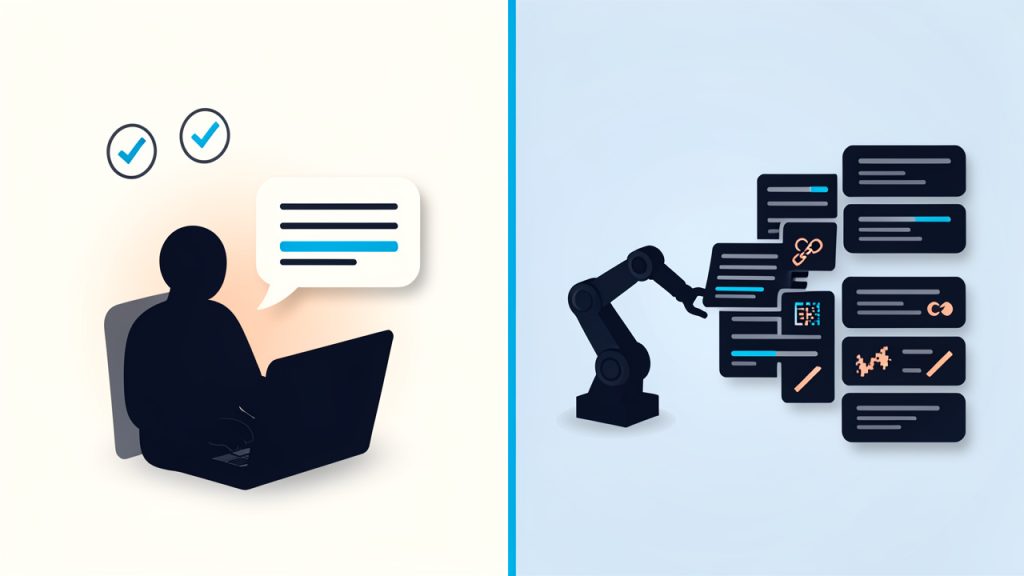
Manual vs. Automated Posting
Both approaches have a place, but they solve different problems. Automation is excellent for scale and repetition. Manual posting is better for nuance and oversight.
For many users, the best solution is not choosing one over the other. It is knowing when to use each. A manually created post is often the right choice when the message is important enough that you want to review every word before publishing.
Why It Matters for Small Teams and Solo Operators
If you run a small business or work independently, your publishing process needs to be simple. Complex systems can create more friction than value. A new manual post fits lean operations because it requires very little overhead. You do not need a full automation stack to publish a useful update. You just need clarity about what you want to say and where it should appear.
That simplicity is powerful. It reduces tool dependency, shortens the path from idea to publication, and makes content management easier to understand. It also lowers the risk of silent failures. With automated systems, a problem may go unnoticed until the wrong content has already been published. With a manual process, visibility is built in because you are present at the moment of creation.
How to Get Started With a New Manual Post
Getting started is less about technology and more about process. Most platforms already support manual posting, whether it is a CMS, e-commerce backend, project board, forum, documentation tool, or social publishing interface. The real question is how to make your manual posts consistent, useful, and quick to create.
Start by defining the purpose of the post. Before writing anything, ask what the reader needs to know and what action, if any, they should take after reading. This keeps the post focused. A common mistake is trying to make one post do too much. A good manual post is usually built around a single clear objective, such as informing, updating, clarifying, or prompting a response.
Next, think about structure. Even a short post benefits from a logical flow. Lead with the most important information first. Then add the details that support it. If the post includes a date, deadline, link, or instruction, make that easy to find. Readers scan before they read deeply. Clear formatting improves usability immediately.
A Simple Starting Workflow
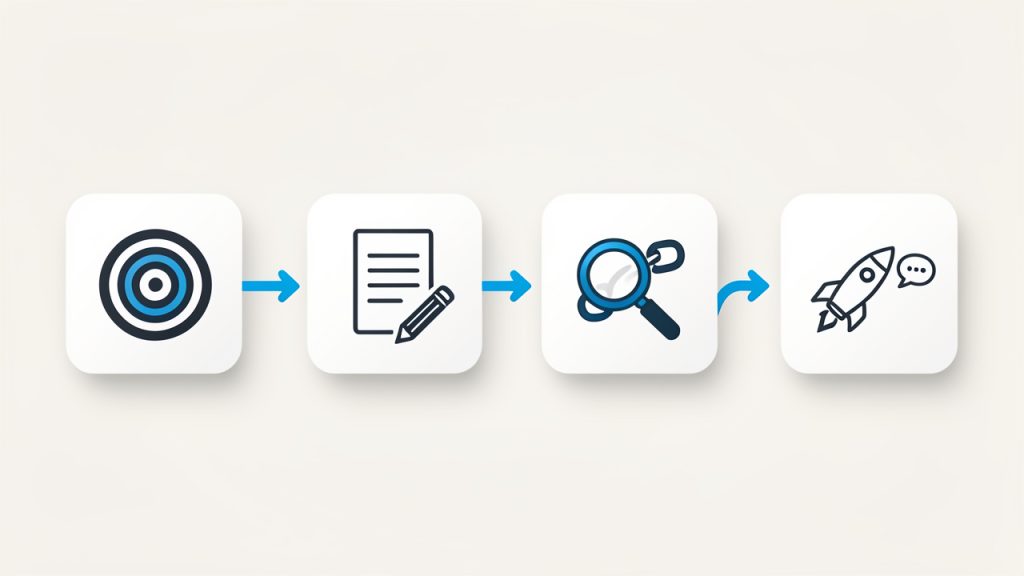
You do not need a complex checklist, but a short routine helps maintain quality. A practical workflow often looks like this:
Define the goal of the post in one sentence.
Write the headline so the purpose is obvious.
Draft the body with the most important information first.
Review for clarity by removing anything vague or repetitive.
Publish and verify that formatting, links, and display look correct.
This process works because it mirrors how readers consume content. They want relevance first, details second, and confidence that the information is current and trustworthy.
Writing a Better Manual Post
A manually written post should feel deliberate, not merely improvised. That does not mean it must be long or polished to perfection. It means every sentence should earn its place. If a paragraph does not inform the reader, answer a likely question, or move the message forward, it probably does not need to be there.
Use plain language wherever possible. This is especially important for operational updates, service notices, or instructions. Clear writing reduces support requests and avoids confusion. If your audience includes busy clients or team members, they will appreciate content that respects their time.
It also helps to write with context in mind. A manually created post should match the platform where it appears. A website announcement may need a slightly more formal tone. An internal workspace update can be more direct. A marketplace or listing post may need concise factual details. Good manual posting is not just about entering text. It is about matching message to medium.
Common Mistakes to Avoid
One frequent issue is publishing too quickly without reviewing the final version. Because manual posting feels simple, users sometimes skip the last check. That is where broken links, inconsistent formatting, and incomplete sentences often slip through. A thirty-second review can prevent a disproportionate amount of trouble.
Another mistake is overloading the post with background information. Manual posts are most effective when they are focused. If you need to explain multiple topics, separate them into different posts or use headings to keep the content navigable. Readers should not have to dig for the point.
A third problem is inconsistency. If every manual post looks different, uses a different tone, or buries key information in a different place, your workflow becomes harder to maintain. Consistency creates trust. It also makes posting faster because you are not reinventing the format every time.
Practical Use Cases for Manual Posting
In a business setting, a manually created post is often the best tool for announcements that carry direct consequences. Think of holiday hours, service changes, urgent stock updates, policy clarifications, or project milestones. These are moments when the exact wording matters. A generic auto-generated message may technically communicate the update, but it may not communicate it well.
Freelancers can use manual posts to publish portfolio updates, client notices, availability changes, and service explanations. Because freelance work often relies on personal credibility, a manually written post can reinforce professionalism. It feels intentional, and that matters when every piece of communication shapes perception.
Developers and technical users may also prefer manual posts in documentation systems, changelogs, and release notes when a feature needs explanation beyond raw commit data. Automated notes can list what changed. A human-written update can explain why it changed, what users should expect, and what action to take next. That layer of interpretation is where the value lies.
Making Manual Posting More Efficient
Efficiency does not require full automation. Often, it comes from reducing avoidable decisions. If you publish manual posts regularly, create a lightweight internal format for yourself. Use a repeatable title style. Decide where dates, links, or action items should appear. Keep a standard tone for customer-facing content. These small choices remove friction.
You can also improve speed by preparing reusable starting points. This is not the same as relying on generic templates for everything. It is more about having a consistent frame. For example, announcements often benefit from a pattern: what changed, who it affects, when it starts, and what to do next. That structure keeps the post useful without making it robotic.
The goal is to keep the benefits of manual control while minimizing unnecessary effort. A strong process does exactly that. It helps you publish quickly without sacrificing accuracy or voice.
Conclusion
A manually created post remains one of the simplest and most effective ways to communicate online when clarity, timing, and control matter. It gives you direct ownership over the message, reduces the chance of context errors, and works especially well for businesses and individuals who need flexible publishing without heavy systems.
If you want better results from manual posting, start small and improve the process rather than overcomplicating the tools. Create one clear post with a focused purpose, review it before publishing, and build a repeatable structure from there. That approach is practical, fast, and far more valuable than publishing content that saves time but misses the point.
A new manual post can be the difference between content that feels intentional and content that feels automated, rushed, or forgettable. For small business owners, freelancers, developers, and productivity-focused users, that distinction matters more than ever. When every update competes for limited attention, a manually created post often gives you tighter control over message, timing, and quality.
If you have come across the phrase new manual post and wondered what it really means, you are not alone. The term can sound vague at first. In practice, it usually refers to a post that is created directly by a person, rather than generated, bulk-scheduled, or auto-published through a workflow. That simple difference has real consequences for branding, accuracy, audience trust, and day-to-day productivity.
What Is a New Manual Post?
A new manual post is content that is written, formatted, reviewed, and published by hand. The exact platform can vary. It might be a blog entry, a social media update, a marketplace listing, a community announcement, or a CMS post created from scratch. What makes it “manual” is not the tool you use, but the level of direct human input at each step.
This matters because manual publishing gives you immediate editorial control. You can adjust tone, refine wording, check context, and respond to current events or customer needs in real time. For businesses and solo professionals, that flexibility is often more valuable than speed alone. Automated systems are useful, but they can miss nuance. A manually created post is usually better at sounding human because it is created by a person.
There is also a practical side to the idea. In many tools, a manual post means starting with a blank editor rather than a template, automation rule, or imported content feed. You choose the title, body, media, metadata, and publishing settings yourself. That makes the process slower, but often far more precise.
Why the Term Matters
The phrase new manual post often appears in help docs, admin panels, and content workflows because it distinguishes one type of publishing from another. Some platforms separate manual posts from scheduled posts, syndicated posts, API-generated entries, or reposted content. If you are managing content across multiple channels, these distinctions help prevent confusion.
For example, a freelancer updating a client website may need a fresh post that is not duplicated from an RSS source. A small business owner may want a handcrafted social post for a product launch rather than a recycled promotional asset. A developer documenting a release may prefer a manually written announcement over an automatically generated changelog summary.
In each case, the goal is the same: you want a post that reflects judgment, context, and purpose, not just output.
Key Aspects of a New Manual Post
The most important aspect of a manual post is control, you decide what gets published and how it appears. That includes the headline, structure, keywords, visuals, links, and call to action. If something feels off, you can catch it before it goes live. That level of oversight reduces errors and protects your brand voice.
Another key aspect is originality. Manual posts tend to feel more specific because they are shaped around a real moment or need. A restaurant owner might write about a holiday menu with local references. A consultant may post a quick update tied to a client trend they noticed that morning. That kind of relevance is difficult to automate well.
A third factor is accuracy. Automated publishing can save time, but it can also spread outdated phrasing, wrong links, awkward formatting, or context-free messaging. A manually created post gives you the chance to verify facts, test links, and tailor the final message to the audience seeing it.
Manual vs Automated Posting
The best choice is not always manual or always automated, it depends on the purpose of the content. The comparison below shows where each approach tends to shine.
Aspect
Manual Post
Automated Post
Control
High, every detail can be adjusted
Lower, depends on system rules
Speed
Slower to create
Faster at scale
Tone
More natural and tailored
Can feel generic
Accuracy Review
Easier to verify before publishing
Errors can slip through if not monitored
Scalability
Limited by time and attention
Strong for recurring tasks
Best Use Case
Important updates, launches, personal communication
This does not mean automation is bad. Many smart teams use both approaches. They automate repetitive tasks and reserve manual posting for high-impact messages. That hybrid model is usually the most realistic for busy professionals who care about quality and efficiency.
Why Manual Posting Still Matters
Manual posting remains valuable because audiences can tell when content has intention behind it. That does not mean every post must be long or polished to perfection. It means the content feels considered. The wording fits the moment. The message answers a real question. The post sounds like it came from someone paying attention.
For small businesses, this can improve trust. For freelancers, it can strengthen personal brand. For developers, it can make technical updates more understandable. For productivity-minded users, it can prevent the hidden cost of cleaning up low-quality automation later.
There is also a strategic benefit. Writing posts manually forces you to think through the purpose of the content. Are you informing, selling, educating, or starting a conversation? That clarity often leads to stronger performance than publishing simply because a content calendar says you should.
How to Get Started With a New Manual Post
Starting a new manual post is easier when you stop thinking about it as a content event and start treating it as a communication task. Before writing anything, define the outcome. Are you trying to announce something, answer a question, drive traffic, or prompt a reply? A clear goal shapes the structure and prevents vague messaging.
Once the purpose is set, think about the audience. A post for existing customers should sound different from a post for first-time visitors. Developers may want direct detail. Small business customers may care more about timing, benefits, and trust. Freelancers often need posts that demonstrate expertise without sounding overly formal.
The next step is choosing the format. A manual post does not need to be complex. In many cases, the most effective version is a short, clear update with a strong headline, a useful body, and one clear action for the reader. Problems arise when creators try to say too much at once. A focused post is usually more effective than a broad one.
A Simple Starting Framework
If you are creating your first manually written post, keep the process straightforward. Use this sequence:
Define the goal: Decide what the reader should know, feel, or do.
Write the core message: Draft the main point in one or two plain sentences.
Add supporting detail: Include context, benefit, proof, or explanation.
Review before publishing: Check tone, links, spelling, and formatting.
This basic method works across blogs, newsletters, social posts, product announcements, and internal updates. It is simple enough to repeat, but structured enough to improve consistency.
Common Mistakes to Avoid
One common mistake is publishing too quickly without reviewing the post as a reader would. What makes sense in your head may not be obvious on the screen. A manual process helps only if you actually pause to edit. Read the post once for clarity and once for usefulness. Those are not the same thing.
Another mistake is overloading the post with too many goals. If you try to announce, explain, promote, educate, and sell all in one short message, the post often loses momentum. A manually created post should feel focused. Give the reader one main takeaway and support it well.
A third issue is inconsistency. Some users create a manual post only when they have extra time, which makes quality unpredictable. The better approach is to develop a lightweight repeatable process. That way, manual posting stays practical rather than becoming a burden.
Best Practices for Better Results
A strong manual post usually begins with a clear opening sentence. The first line should tell readers why they should care. This is especially important online, where attention disappears fast. If the opening is vague, the rest of the post may never be read.
The body should then do one of three things well: explain, clarify, or persuade. Choose the primary job of the post and build around it. If you are announcing a feature, explain what changed and why it matters. If you are sharing a business update, clarify what customers need to know next. If you are promoting a service, persuade with relevance rather than hype.
Editing is where manual posting earns its value. Tightening language, removing filler, and making the call to action specific can improve performance dramatically. This is not about sounding fancy. It is about making the post easier to trust and easier to act on.
When a Manual Approach Is the Better Choice
Manual posting is often the better choice when the content is sensitive, timely, or brand-defining. Product changes, service disruptions, pricing updates, launch announcements, and customer-facing explanations all benefit from direct human review. In those cases, tone and precision matter too much to leave entirely to automated systems.
It is also the right approach when your audience expects authenticity. Independent creators, boutique agencies, local businesses, and technical founders often build trust through voice and judgment. A handcrafted post reinforces that identity in a way templated content rarely can.
Conclusion
A new post created manually is more than a publishing method, it is a way to communicate with precision, context, and intent. While automation has its place, manual posting remains essential when quality, clarity, and trust matter most.
If you want better results from your content, start small. Create one manual post with a clear goal, a focused message, and a careful review before publishing. That single habit can improve not only what you post, but how your audience experiences your brand.
Manual workflows break faster than most teams expect. A process that feels simple when one person handles it can become inconsistent, slow, and error-prone as volume increases. That is why interest in a new manual post workflow often comes from a practical need, not curiosity. People want a repeatable way to publish, document, route, or update information without introducing unnecessary software complexity.
For developers and efficiency-focused operators, the phrase new manual post can describe more than a basic publishing action. It often points to a structured human-driven process for creating and releasing content, updates, records, or system notes where automation is either unavailable, undesirable, or too risky. The goal is not to avoid tools, it is to control execution, preserve accuracy, and reduce friction.
A well-designed manual posting process can be surprisingly efficient when it is defined with the same discipline used in technical systems. Inputs need validation. Ownership must be clear. State changes should be visible. Review and publication rules should be explicit. Once those pieces are in place, a manual workflow stops feeling improvised and starts acting like dependable infrastructure.
What Is a New Manual Post?
A new manual post is a human-initiated publishing or entry action performed through a defined process rather than a fully automated pipeline. In practice, that could mean creating a blog post in a CMS, entering an announcement into an internal knowledge base, publishing release notes, submitting marketplace content, or posting operational updates to a shared platform. The common trait is that a person controls the creation, formatting, review, and final publication steps.
This matters because manual posting is often treated as the opposite of efficiency. That assumption is incomplete. Automation is excellent for high-volume, predictable tasks, but many workflows involve exceptions, judgment calls, compliance checks, or contextual writing that still require human input. In those cases, a manual post is not a fallback. It is the correct execution model.
From a systems perspective, a manual post process behaves like a controlled transaction. There is an originator, a payload, a validation layer, and a publish event. If any of those pieces are weak, the workflow becomes fragile. If they are defined clearly, the process becomes auditable and scalable, even without heavy automation.
For developers, this framing is useful because it turns a vague administrative task into a process design problem. Instead of asking whether posting is manual, the better question is whether the manual path is structured enough to be reliable. That shift changes everything.
Key Aspects of a New Manual Post
Process Definition and Scope
The first critical aspect of any new manual post workflow is scope. A team needs to know what qualifies as a post, where it lives, who owns it, and what outcome counts as complete. Without that clarity, the process accumulates hidden assumptions. One person may think publication means saving a draft for review. Another may think it means public release. Small ambiguities create downstream confusion.
A strong manual workflow defines boundaries with the precision of a technical specification. It establishes the source input, the required fields, the formatting rules, the approval criteria, and the destination channel. This does not need to be bureaucratic, it needs to be explicit.
Human Control Versus Automation
The value of a manual post lies in intentional control. A human can catch tone issues, factual gaps, compliance risks, or contextual errors that an automated system may miss. This is especially important when content affects customers, internal operations, or regulated communication.
That said, manual does not mean disconnected from tooling. The best workflows use lightweight support systems for templating, validation, reminders, and status tracking while leaving final judgment to a person. This hybrid model preserves quality without forcing a team into repetitive administrative work.
A platform like Home can fit naturally into this model when teams need a central environment for organizing drafts, ownership, and posting steps. Instead of replacing human review, it helps standardize the surrounding process so the manual action itself becomes faster and more consistent.
Consistency and Quality Control
Most manual workflows fail for one reason: inconsistency. Not because the task is inherently difficult, but because each person performs it slightly differently. Titles vary. Metadata gets skipped. Review is informal. Publication timing changes. Eventually, the output becomes unreliable.
The solution is standardization through templates, checklists, and naming conventions. These elements reduce cognitive load. They also make quality visible. When every new manual post follows the same structural rules, it becomes easier to review, troubleshoot, and improve over time.
The comparison below shows how ad hoc posting differs from a structured manual workflow.
Rule-based generation and release, minimal human review
High speed, but weaker handling of edge cases and nuance
Visibility and Traceability
A new manual post process should always answer four questions: who created it, what changed, when it was published, and why it exists. That is traceability. Without it, teams lose context quickly, especially in environments with multiple editors or cross-functional stakeholders.
Traceability also supports iteration. If a post performs poorly, causes confusion, or needs correction, the team can inspect the workflow rather than guess. That is where manual systems often become more resilient than rushed automation. Human-led processes can preserve reasoning, not just output.
Speed Without Chaos
Efficiency-minded readers often assume manual means slow. In reality, undefined manual work is slow. A defined manual process can be fast because it reduces decision overhead. The operator does not need to invent the structure each time. They just execute it.
This is the same principle used in engineering runbooks. A runbook does not automate every incident response, but it enables rapid, consistent action under pressure. A manual posting framework works similarly. It provides a stable path for work that still requires human judgment.
How to Get Started With a New Manual Post
Begin With the Smallest Useful Workflow
The easiest mistake is overengineering the process before the real pain points are understood. A better approach is to start with the smallest complete workflow. Define one posting use case, identify the required inputs, document the steps, and assign responsibility.
For example, if the workflow involves publishing internal product updates, specify where source information comes from, who drafts the post, who reviews technical accuracy, and who publishes. That simple structure creates a baseline. Once repeated a few times, bottlenecks become visible.
Standardize Inputs First
Before optimizing publication steps, standardize the content entering the system. Most manual posting delays begin upstream. People submit incomplete notes, inconsistent titles, missing assets, or unclear priorities. The posting task then becomes cleanup work.
A practical starting point is to require a small set of mandatory fields:
Title: A clear, final headline or subject line.
Purpose: The reason the post exists and what it should achieve.
Source Material: Links, references, screenshots, or raw notes.
Owner: The person accountable for review and publication.
This is enough to make the process predictable without adding heavy overhead. Once inputs are normalized, every later step gets easier.
Document the Publish Sequence
A manual workflow needs a visible sequence. Not a vague expectation. Not tribal knowledge. A sequence. This can be written in a lightweight internal document, a shared board, or a workspace in Home where each stage is tracked clearly.
A useful sequence often includes drafting, validating, editing, approving, publishing, and archiving. The exact labels matter less than the fact that everyone uses the same model. That creates operational alignment. It also reduces the common problem where a post appears complete but is still waiting on a hidden approval.
Use Templates to Reduce Decision Fatigue
Templates are one of the highest-leverage tools in a manual process. They eliminate repetitive formatting decisions and preserve structural quality. A developer will recognize this pattern immediately. Templates for content work function much like boilerplates in code. They reduce setup time, enforce consistency, and lower the probability of omission.
A template for a new manual post should include required sections, formatting expectations, metadata fields, and publication notes. Over time, the template can evolve based on real usage rather than assumptions. That iterative approach keeps the workflow practical.
Measure Friction, Not Just Output
Teams often track how many posts were published, but volume alone is not a useful indicator. A better metric is friction. How many times did a post stall? Where were corrections introduced? How long did approval take? Which fields were repeatedly missing?
These observations expose process weaknesses that are otherwise invisible. If the same issue appears in every third post, the problem is likely structural, not personal. That is where process refinement has the most value.
The table below outlines a simple maturity model for improving a manual post system.
Stage
Process State
Typical Problem
Improvement Focus
Initial
Informal and person-dependent
Inconsistent output
Define roles and basic steps
Managed
Repeatable with templates
Delays in review
Add checkpoints and ownership
Optimized
Visible, tracked, standardized
Edge-case exceptions
Refine rules and selective tooling
Introduce Tools Carefully
Not every workflow problem deserves a new platform. Sometimes a shared document and a disciplined template are enough. But when the process involves multiple contributors, frequent publishing, or cross-team approvals, a central system becomes valuable.
That is where a workspace solution like Home can support a manual posting process effectively. It can help consolidate drafts, responsibilities, status indicators, and shared references in one place. The gain is not just convenience, it is the removal of ambiguity, which is one of the biggest hidden costs in manual operations.
Keep the Process Human-Readable
One final principle matters more than most teams realize: the workflow should be understandable at a glance. If contributors need long explanations to complete a basic post, the system is too complex. Manual processes succeed when they are easy to inspect, easy to follow, and easy to improve.
Think of the workflow as an interface. Good interfaces reduce error by making the correct path obvious. A manual posting system should do the same. It should guide behavior through structure, not force compliance through confusion.
Conclusion
A new manual post process is not just a way to publish something by hand. It is a controlled operational pattern for work that benefits from human judgment, contextual awareness, and explicit review. When designed well, it can deliver consistency, traceability, and speed without the fragility that often comes from over-automation.
The practical next step is simple. Choose one posting workflow, define the minimum required inputs, document the sequence, and enforce a reusable template. Once the process is visible, improvement becomes straightforward. If coordination is already becoming a bottleneck, centralizing the workflow in a tool like Home can help turn manual posting from a recurring pain point into a dependable system.
A new manual post can be the simplest thing in your workflow, or the reason your publishing process feels slow, inconsistent, and harder than it should be. For small business owners, freelancers, developers, and productivity-focused teams, the phrase sounds straightforward. In practice, it often represents a very specific challenge, creating and publishing content by hand, with intention, without relying on full automation.
That matters more than it seems. Manual posting gives you control over timing, wording, formatting, and context. It can help you avoid robotic content, catch mistakes before they go live, and tailor each update to a real audience. At the same time, it can become messy if there is no system behind it.
If you are trying to understand what a manual post is, when a new manual post makes sense, and how to make the process efficient, this guide gives you a practical framework. The goal is not just to define the term, but to help you use manual posting in a way that supports speed, quality, and consistency.
What Is a New Manual Post?
At its core, a manual post is a piece of content created and published directly by a person, rather than generated, queued, or distributed entirely through automation. That content might be a blog post, social media update, marketplace listing, community announcement, changelog entry, or internal knowledge-base article. The common thread is simple, a human is actively writing, editing, and posting it.
For many businesses, manual posting is still the default way to publish important updates. A freelancer may write a client-facing project update manually to make the tone more personal. A small ecommerce store may manually publish a product announcement to ensure pricing, images, and offers are accurate. A developer may create a manual release note because technical changes need precision and context that automation often misses.
The word new matters here as well. It signals that this is not just an edit to existing content or a recycled template. It is a fresh post, created for a current purpose. That may sound obvious, but in content workflows, the difference between a truly new post and a duplicated or lightly modified one has real implications for search visibility, user trust, and brand credibility.
A manual post is not automatically better than an automated one. It is better when the situation calls for judgment. If timing, nuance, compliance, branding, or audience sensitivity matter, a manual approach usually delivers stronger results.
Key Aspects of a New Manual Post
Control and accuracy
One of the biggest advantages of creating a post manually is control. You decide the headline, the structure, the formatting, the call to action, and the exact moment the content goes live. That control is valuable when details matter, especially in customer-facing communication.
Accuracy is often where manual posting proves its worth. Automated systems are useful, but they can publish outdated information, pull the wrong template field, or miss contextual issues. A manual process creates a natural review point. You can catch an expired offer, a broken link, a formatting issue, or wording that feels off before your audience sees it.
For productivity-minded users, this can seem like extra effort. In reality, it is often preventive efficiency. Spending five more minutes before publishing can save hours of cleanup, customer confusion, or reputation repair later.
Personalization and tone
A manual post usually feels more human because a human wrote it. That is not just a branding preference, it affects engagement. Readers can often tell when content was created from a rigid template or published in bulk without much thought.
When you create a manual post, you can adapt your message to the audience, platform, and moment. A LinkedIn post announcing a service update should not sound like a support article. A product launch email should not read like a tweet. Manual creation helps you shape tone with purpose.
This is especially useful for small businesses and solo professionals. You may not have a large content team, but you do have the advantage of authenticity. A carefully written manual post can build trust in a way generic content rarely does.
Flexibility across platforms
The practical meaning of a manual post changes depending on where it appears. On a website, it may involve drafting, formatting, optimizing metadata, and publishing in a content management system. On social media, it may mean writing a platform-specific caption, attaching media, choosing the right tags, and posting at the right time.
That flexibility is both a strength and a risk. It allows you to tailor content precisely, but it can also create inconsistency if there is no process. The same announcement can end up with different wording, mismatched visuals, or conflicting links across platforms if every post is handled ad hoc.
The solution is not to eliminate manual work. It is to support it with a light structure. Think of manual posting like cooking without a meal kit. You have more freedom and usually better results, but only if you know the recipe and keep the ingredients organized.
Time investment versus strategic value
Manual posting takes time. There is no point pretending otherwise. If you publish frequently, the effort can add up quickly. That is why many teams swing hard toward scheduling tools, templates, and automation.
Still, the right question is not whether manual posting takes time. The better question is whether the value of direct control outweighs the time required. For high-stakes content, the answer is often yes. For repetitive updates, the answer may be no.
A useful way to think about it is to separate content into tiers. Important announcements, original thought leadership, sensitive updates, and client-specific communication often deserve a manual workflow. Routine reminders, evergreen reposts, and standardized notices may be better handled through templates or automation with review.
Note: Time investment is not uniformly bad. Allocate manual effort to high-value posts where context, accuracy, and tone materially affect outcomes, and automate where repeatability and scale matter.
SEO and discoverability
If your manual post lives on a website or blog, search visibility matters. A manually created post gives you the chance to optimize title structure, internal links, readability, keyword use, and metadata with more care than an automated pipeline might allow.
That does not mean stuffing awkward phrases into the content. In fact, good SEO depends on the opposite. If you are targeting a phrase like a phrase such as “new manual post”, the content should use those terms naturally and in a way that makes sense to readers. Search engines increasingly reward clarity, relevance, and user value over mechanical repetition.
Manual posting can support SEO because it encourages editorial judgment. You can identify what the reader actually needs, create a cleaner structure, and answer related questions in plain language. That often performs better than thin, mass-produced pages.
How to Get Started With a New Manual Post
Start with a clear purpose
Before you write anything, define what the post is supposed to accomplish. That sounds basic, but it eliminates a surprising amount of wasted effort. A manual post without a clear objective usually turns into vague content that does not inform, persuade, or convert.
Ask yourself whether the post is meant to announce, educate, sell, update, clarify, or invite action. A single post can do more than one of those things, but one primary goal should lead. When the purpose is clear, decisions about tone, structure, and length become much easier.
For example, a business update post should prioritize clarity and timeliness. A promotional post should focus on benefits and a strong call to action. An educational article should answer questions with enough depth to be genuinely useful. Purpose shapes everything.
Build a simple repeatable workflow
You do not need a complicated content system to create good manual posts. You need a reliable one. Even a lightweight workflow can reduce friction and improve quality dramatically.
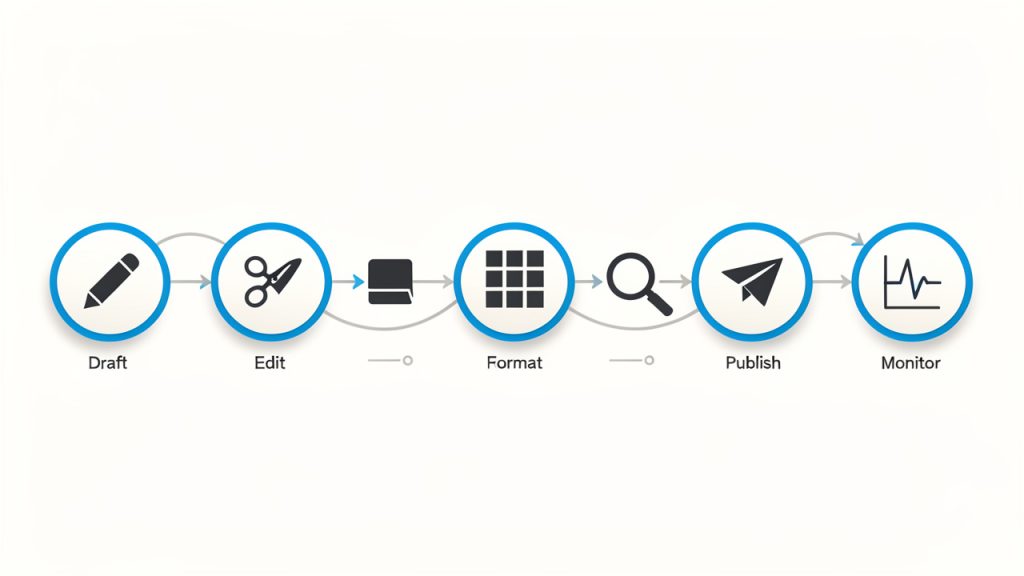
A practical manual posting process often includes these steps:
Draft the message with one clear goal.
Edit for clarity, tone, and accuracy.
Format it for the platform where it will appear.
Review links, visuals, dates, names, and calls to action.
Publish at the most appropriate time.
Monitor performance and feedback after posting.
The reason this works is simple. It turns manual posting from a random act into a manageable routine. That is especially important for freelancers and small teams who switch between client work, operations, and marketing throughout the day.
Use templates without sounding templated
There is a common misconception that manual posting and templates are opposites. They are not. The smartest workflows combine both. A template can save time on structure while still leaving room for customization and human judgment.
For instance, you might use a standard format for product updates, service announcements, or content summaries. The template handles recurring elements like title style, image size, metadata fields, or CTA placement. The actual message, however, is still written manually to match the moment.
This balance matters. Too much structure makes every post feel interchangeable. Too little structure creates delays and inconsistency. The goal is guided flexibility, not rigid repetition.
Focus on readability and platform fit
A strong manual post is not just well written, it is well presented. That means short paragraphs, clear headings where appropriate, strong opening lines, and formatting that suits the platform.
A website article can support more depth. A social post needs speed and punch. A community update should be easy to scan. A marketplace listing should prioritize clarity and trust. The same information may need to be expressed differently in each context.
This is where manual effort pays off. You can shape the presentation to fit user behavior. People do not read a support update the same way they read a promotional caption. Matching the format to the platform improves engagement and reduces confusion.
Measure what happens after publishing
A manual post should not end when you hit publish. One of the most overlooked parts of a manual workflow is the feedback loop. If you never review performance, you are relying on guesswork.
Look at the signals that matter most for the platform and purpose. On a blog post, that may be time on page, scroll depth, clicks, and conversions. On social media, it may be saves, comments, shares, or link clicks. For client communication, it may simply be response quality or reduced follow-up questions.
You do not need enterprise analytics to learn from manual posts. Even basic observation can reveal patterns. You may notice that shorter intros perform better, certain headlines get more clicks, or posts published at specific times earn stronger engagement. Over time, those small insights turn manual posting into a smarter system.
Common Challenges and How to Avoid Them
One of the most common problems with manual posting is inconsistency. When content is created only when someone remembers or feels inspired, publishing becomes irregular. That hurts audience expectations and weakens overall momentum. The fix is not constant output, it is a realistic cadence you can maintain.
Another issue is overediting. Because manual posts are hands-on, it is easy to spend too long polishing details that have little impact. Perfectionism can slow down publishing to the point where timely content loses relevance. The better standard is clear, accurate, and useful. If those three are in place, the post is usually ready.
There is also the risk of fragmented messaging. When multiple people create manual posts without shared guidelines, the brand can start sounding inconsistent. A simple style guide helps. It does not need to be formal or complicated. Even a one-page reference with preferred tone, formatting rules, naming conventions, and CTA style can make a major difference.
Aspect
Manual Posting
Automated Posting
Control
High, with direct human oversight
Lower, depends on setup
Speed at scale
Slower for large volumes
Faster for recurring content
Personalization
Strong, easier to tailor
Limited unless deeply configured
Error prevention
Better for context-sensitive checks
Better for repetitive consistency
Best use case
Important, nuanced, timely content
Routine, repeatable distribution
For most productivity-focused users, the best answer is not choosing one method exclusively. It is knowing when each one serves the goal.
When a New Manual Post Makes the Most Sense
A manual post is especially valuable when the content carries business, reputational, or relational weight. That includes service changes, product launches, client updates, sales announcements, policy clarifications, and original insights intended to build authority.
It also makes sense when audience context matters. If your readers are responding to a trend, a recent event, or a current concern, a manually created post allows you to speak directly and appropriately. Automated content often lacks that awareness.
For developers and technical teams, manual posts are useful when publishing release notes, outage explanations, setup instructions, or migration updates. Precision matters in those scenarios. One vague sentence can create support tickets, confusion, or implementation mistakes.
For freelancers and service businesses, a manual post can function as a relationship tool. A short, carefully written update can remind clients and prospects that there is a real person behind the brand, paying attention and communicating with intention.
Conclusion
A new manual post is more than content published by hand. It is a deliberate choice to prioritize accuracy, control, tone, and context. In a world full of automation, that choice can be a competitive advantage when used well.
The smartest approach is not to publish everything manually or automate everything blindly. It is to build a workflow where manual posting is reserved for the moments that deserve a human touch, then support that process with simple systems that keep it efficient.
Your next step is practical, choose one type of content you publish regularly, define a clear manual posting workflow for it, and use that process for the next three posts. You will quickly see where manual effort adds value, where templates can save time, and how to create content that feels both efficient and genuinely human.
Manual posting remains one of the fastest ways to regain control when automation becomes noisy, brittle, or overly abstract. A new manual post workflow matters because many teams and solo operators need something simple, visible, and dependable. When publishing depends on layers of integrations, schedulers, and opaque rules, even a small mistake can become expensive.
A well-structured approach to creating a thoughtful manual post solves a practical problem. It gives the publisher direct control over timing, content, formatting, and review. For developers and efficiency-focused users, that control is not old-fashioned, it is a form of operational clarity. Manual posting, when done correctly, becomes a deliberate process that reduces ambiguity and improves quality.
What Is a New Manual Post?
A manual post is a piece of content created, reviewed, and published directly by a user rather than being generated or deployed through an automated pipeline. The term applies across multiple environments, including content management systems, internal dashboards, knowledge bases, product update feeds, and social publishing interfaces. The defining attribute is the method, not the platform: a human initiates the post and controls each stage of publication.
This distinction matters because manual posting introduces intentionality. In automated systems, content can inherit templates, metadata, and timing rules without sufficient scrutiny. A manual process forces inspection. The author sees the title, body, links, tags, attachments, and publish state as discrete inputs. That visibility often leads to fewer errors and stronger editorial alignment.
For technical teams, the idea of a manual post is also comparable to a manual deployment. It is not always the fastest path in terms of raw volume, but it is often the safest path when precision matters. If the content is sensitive, time-bound, or tied to a product release, a manual entry can provide the confidence that no background rule has altered the intended output.
In practical terms, a manual post typically includes direct interaction with the publishing interface. The user enters content into a form, selects categories or channels, optionally previews the result, and then publishes. That sounds basic, but the underlying value is high. Every field becomes auditable at the moment of creation.
Key Aspects of a New Manual Post
Direct control over content quality
The first major advantage of a manual post is quality control at the point of entry. Instead of trusting a sync job or template engine to assemble the final message, the author validates the content in its finished form. This reduces formatting anomalies, broken internal references, accidental duplication, and incorrect metadata.
That hands-on review is especially useful when content contains technical instructions, release notes, pricing updates, or legal language. In those scenarios, small differences matter. A missing character in a version number or a malformed link can create support overhead that far exceeds the time saved by automation. Manual posting acts as the final inspection layer before publication.
Better context awareness
A manual post is usually created with full awareness of current conditions. The author knows what else has been published, what the audience is seeing, and what should be emphasized now. Automated systems work from rules, humans work from context. That difference is substantial.
For example, a product team may need to publish a quick update after an outage, a patch release, or a policy change. A manual process allows the message to reflect the real situation rather than a generic content pattern. The tone, structure, and timing can all be adapted without rewriting automation logic.
Lower system dependency
Manual posting reduces dependency on upstream services, connectors, and scheduling infrastructure. Every automated workflow introduces failure points, including API mismatches, expired credentials, queue delays, malformed payloads, and edge-case formatting issues.
A manual post bypasses much of that complexity because the user works in the destination system directly. That can be inefficient for high-volume publishing, but it is efficient in a different sense. It lowers the probability of invisible failure. For teams that value reliability over throughput in certain workflows, this trade-off is often worthwhile.
Improved accountability
Another key aspect is clear ownership. When someone creates a post manually, the responsible party is usually obvious. That supports review, revision, and auditability. In organizations where multiple people contribute content, accountability can be more valuable than speed.
This becomes even more relevant in environments with compliance requirements or cross-functional approvals. A manual process can preserve the chain of responsibility. The person who entered the copy, chose the category, and pressed publish can be identified without reconstructing an automation trail.
Manual does not mean inefficient
There is a common assumption that manual work is inherently slow and outdated. That is only partially true. Poorly designed manual workflows are inefficient. Well-designed ones are not. If the interface is streamlined, templates are sensible, and review standards are clear, a manual post can be completed quickly while still preserving quality.
This is where tools and workflow design matter. Platforms such as Home can help centralize content tasks, reduce friction in navigation, and make manual publishing less fragmented. The value is not that they remove the human decision, the value is that they reduce the cost of making the right decision.
How to Get Started with a New Manual Post
Define the purpose before opening the editor
The fastest way to create a poor manual post is to begin typing without a clear objective. Before touching the interface, the author should know what the post is supposed to do. Is it informing, announcing, documenting, correcting, or persuading? That purpose determines structure, tone, and the level of detail required.
A useful mental model is to treat the post as an operational artifact rather than just content. Every post has an input, a target audience, and an expected outcome. If those are undefined, the manual process becomes guesswork. If they are defined, the process becomes efficient.
Prepare the essential inputs
A successful manual post usually depends on a small set of inputs being ready in advance. In most systems, the practical prerequisites are:
Title: A clear, specific heading that reflects the post’s purpose.
Body content: The main message, already reviewed for clarity and accuracy.
Metadata: Tags, categories, publish date, author attribution, or status values.
Linked assets: Images, attachments, URLs, or references needed by the post.
Having these ready turns manual posting from a stop-start task into a controlled execution step. It also reduces the chance of publishing placeholders, partial text, or incorrect categorization.
Use a repeatable creation sequence
The most efficient way to handle a manual post is to follow the same sequence every time. Consistency removes cognitive overhead. The author no longer decides what to check next. The workflow itself provides order.
A practical sequence starts with entering the title and body, then validating formatting, then adding metadata, then previewing the output, and finally publishing. In high-risk contexts, a peer review or approval state may sit between preview and publication. This sequence mirrors the logic of software release discipline. First create, then validate, then deploy.
Optimize for readability and retrieval
Manual posts are often created under time pressure, which leads many authors to focus only on publication. That is short-sighted. A good post should not only be readable in the moment but also retrievable later. Searchability matters, especially in internal documentation systems and knowledge repositories.
This means using precise titles, meaningful section breaks, and tags that reflect how users will look for the information. A vague title may feel fast to write, but it creates friction for everyone who needs to find the post later. The manual process is the ideal point to enforce this discipline because the author is still present and accountable.
Check the post as a user would see it
Preview is not a cosmetic step. It is a validation layer. When reviewing a manual post, the author should inspect it as if encountering it for the first time. The critical question is simple: does the post communicate correctly without requiring extra explanation?
Formatting issues, missing links, broken hierarchy, and awkward spacing are easy to ignore in an editor view. They become obvious in preview or after publication. This is why strong manual workflows include a final user-perspective review. The post must not merely exist, it must function.
Compare manual posting to automated publishing realistically
The most useful way to decide whether to use manual posting is not through ideology, but through fit. Some tasks benefit from scale and automation, others benefit from direct oversight. The following comparison clarifies the difference:
Aspect
Manual Post
Automated Publishing
Control
High, field-by-field validation
Rule-based, less visible at publish time
Speed at scale
Lower for large volumes
High for recurring or bulk tasks
Error visibility
Immediate to the author
Often discovered after execution
Context sensitivity
Strong, human-led judgment
Limited to configured logic
Operational complexity
Lower in simple cases
Higher due to integrations and dependencies
This comparison shows why a manual post remains relevant. It is not replacing automation in every case, it is providing a safer and often smarter path when context, accuracy, and accountability are the priority.
Build a lightweight standard operating procedure
If manual posting is part of a recurring workflow, the process should be documented in a compact internal standard. Not a bloated policy document, but a short operating guide. This ensures that quality does not depend entirely on individual habits.
That standard can define naming patterns, required metadata, review thresholds, and publication timing. Over time, this creates a predictable content system. The paradox is useful: a manual process becomes more efficient when it is standardized. Human control and procedural discipline work well together.
Conclusion
A manual post is more than a basic publishing action. It is a deliberate workflow for maintaining control, improving quality, and reducing the hidden risks that often accompany automation-heavy systems. For developers, operators, and efficiency-minded teams, manual posting remains valuable because it creates visibility at the exact moment when errors are easiest to prevent.
The next step is straightforward. Review the systems where content is currently published, identify the moments where precision matters most, and introduce a clear manual posting workflow for those cases. If the current process feels scattered, a centralized environment such as Home can help simplify execution while keeping human oversight intact. The goal is not to avoid automation entirely, the goal is to use manual posting where it delivers the highest operational value.
Manual workflows fail quietly. A post gets drafted in the wrong format, published without review, duplicated across channels, or forgotten in a queue that nobody monitors closely enough. For developers and efficiency-focused teams, that is not just a content problem. It is a systems problem.
A manual posting process exists where human control still matters. It is the deliberate creation and publication of a post without relying entirely on automation, templates, or scheduled syndication. In the right environment, that manual step is not a weakness. It is a control layer that protects quality, timing, and context when automation would be too rigid or too risky.
The challenge is that manual posting often becomes inconsistent when it is not documented like a technical workflow. Teams know what they want to publish, but not always how to standardize decisions, approvals, formatting, and validation. A structured approach turns a manual post from an ad hoc action into a repeatable operational task.
What Is a New Manual Post?
A new manual post refers to a freshly created post that is authored, reviewed, and published through direct human action rather than through a fully automated pipeline. The term can apply across content systems, internal knowledge bases, CMS platforms, social publishing tools, marketplaces, and product update channels. What defines it is not the platform. It is the method of execution.
In practical terms, a manual post is usually created when nuance matters more than speed. A developer relations team may need to publish an urgent release clarification. A product team may need to adjust messaging based on a same-day change. An operations team may need to post a status update that requires exact wording and immediate verification. In each case, a human operator is making decisions in real time.
This matters because automation is optimized for scale, while manual posting is optimized for judgment. Scheduled systems work well for predictable outputs, but they are less effective when timing, compliance, tone, or context can shift within minutes. A manual post gives the operator room to validate facts, confirm audience fit, and inspect the final rendered result before publication.
There is also a governance dimension. Many organizations still require a manual publishing event for regulated content, executive communications, incident notices, or high-visibility announcements. In those cases, the manual post is not a fallback. It is the approved control mechanism.
Why the Term Matters in Workflow Design
The phrase points to a specific category of work. A post is not just content. It is a payload moving through a system of formatting rules, permissions, metadata, approval states, and publication triggers.
When teams label something as a new manual post, they are implicitly distinguishing it from imported content, replicated content, scheduled batches, and API-driven publishing. That distinction affects how the task should be documented and measured.
For efficiency-minded users, this is useful because it clarifies where friction is acceptable. Manual effort should not exist by accident. It should exist because the task benefits from human oversight. Once that is clear, the process can be streamlined without removing the human role that gives the post its value.
Key Aspects of a New Manual Post
The first key aspect is intentional control. Manual posting is valuable when it provides a checkpoint that machines cannot easily replicate, such as factual sensitivity, platform-specific judgment, audience awareness, or timing based on live events. Without that control function, a manual process is just slower automation.
The second aspect is structured consistency. Many teams assume manual means informal. That assumption creates operational drift. One person writes a post title one way, another uses a different taxonomy, and a third forgets to include metadata or internal references. The solution is to define a manual post as a systemized workflow with explicit fields, review expectations, and validation rules.
A third aspect is platform context. A manual post does not behave the same way in every environment. In a CMS, the concern may be SEO, canonical URLs, and draft states. In a social tool, the concern may be character limits, audience segmentation, and media rendering. In an internal tool, access control and audit logging may be more important than formatting. The underlying principle stays the same, but the implementation changes based on the target surface.
Accuracy and Human Judgment
A major strength of manual posting is precision. Human reviewers catch ambiguity that templates often ignore. They spot wording that could confuse users, miss the audience, or create legal and support issues later.
This is especially important when publishing updates related to product changes, outages, migrations, deprecations, or policy revisions. In these scenarios, wording is part of the product experience. A slightly inaccurate phrase can create unnecessary tickets, friction, or reputational damage.
For developers, this resembles the difference between autogenerated documentation and docs reviewed by an engineer who understands edge cases. Both have value. Only one reliably captures nuance.
Operational Cost and Trade-Offs
Manual posting introduces overhead, and that overhead should be acknowledged rather than hidden. A human has to draft, inspect, approve, and publish. If the workflow is poorly designed, the task becomes expensive in time and attention.
The trade-off is whether that cost buys meaningful quality. If a team is manually publishing routine, low-risk, repetitive content, then the process is likely inefficient. If the content is variable, sensitive, high-stakes, or time-dependent, then manual posting can be the more reliable choice.
Mature teams do not ask whether manual posting is good or bad in absolute terms. They ask where it belongs in the publishing architecture. The answer is usually a hybrid model, where automation handles repeatable content and manual posting handles exception cases, strategic updates, and high-context communication.
Standardization and Auditability
A new manual post should still be traceable. That means there should be a clear record of who created it, what changed, when it was approved, and when it went live. Without these controls, manual publishing becomes difficult to analyze and nearly impossible to improve.
This is where efficiency tools become useful. A system such as Home can support manual workflows by giving teams a structured environment for drafting, reviewing, and tracking content state without forcing every action into a rigid automation model. The benefit is not just convenience. It is operational visibility.
The ideal setup preserves human discretion while reducing avoidable variance. In other words, the post is manual, but the process around it is engineered.
Core Comparison: Manual vs Automated Posting
Factor
Manual Post
Automated Post
Control
High human oversight
High system dependence
Speed at scale
Lower
Higher
Context sensitivity
Strong
Limited by rules and inputs
Consistency
Depends on process discipline
Strong if rules are well defined
Error profile
Human omission or inconsistency
Rule misconfiguration or stale logic
Best use case
Sensitive, custom, real-time content
Repetitive, scheduled, predictable content
How to Get Started with a New Manual Post
The best starting point is not the editor. It is the workflow definition. Before a team creates a new manual post, it should identify the trigger condition that justifies manual handling. That trigger might be urgency, compliance, strategic importance, audience specificity, or content complexity.
Once the trigger is clear, the team can document the path from draft to publication. This should include who authors the post, who reviews it, what fields are mandatory, what the approval threshold is, and what verification happens after publishing.
A useful way to think about this is as a lightweight deployment process. A post moves from authoring to validation to release. The object is different, but the discipline is similar. Good manual publishing borrows heavily from good engineering operations.
Build a Minimal Posting Standard
A practical standard does not need to be large. It needs to be precise. The goal is to remove avoidable decisions so people can focus on the decisions that actually require judgment.
For most teams, a minimal standard includes the following:
Purpose definition: Why does this post exist and what outcome is expected.
Audience identification: Who must see or be notified about this content.
Required metadata and formatting rules: Fields, tags, and presentation that must be present before approval.
Approval and post-publication verification: Who must sign off and what checks happen after the post goes live.
These points look simple, but they create stability. A writer knows what problem the post is solving. A reviewer knows what to check. An operator knows what counts as complete.
Use Checkpoints, Not Friction
Many manual workflows become slow because they confuse control with bureaucracy. Every additional checkpoint should prevent a real failure mode. If a review step never catches issues, it may not deserve to exist.
A better approach is to place a few high-value checkpoints at the most error-prone moments. One checkpoint before approval can verify message accuracy and formatting. Another immediately after publication can confirm rendering, links, tagging, and visibility. That keeps the process lean while still protecting quality.
Developers will recognize this pattern. It is the same logic used in CI pipelines with targeted validation rather than bloated gatekeeping. The system is safer because checks are placed where they matter most.
Start With a Small, Repeatable Process
Teams often overdesign manual publishing frameworks before they have observed real usage. That creates documentation nobody follows. A better method is to start with a small operating model, use it on a limited set of posts, and refine it based on actual failure points.
For example, a team may initially define manual posting only for release notes, service alerts, and executive announcements. After a month, it can review where delays occurred, what fields were commonly missed, and which approvals added value. That data can then inform a stronger process.
This is where a central workspace such as Home can help consolidate drafts, ownership, and review state. The advantage is not just organization. It is the ability to reduce context switching and make manual work observable.
Common Early Mistakes
The most common mistake is treating manual posting as self-explanatory. It rarely is. Even skilled operators interpret unwritten rules differently.
Another frequent issue is relying on memory instead of templates or required fields. Memory-based workflows degrade under pressure. The faster the publishing environment, the more likely a step gets skipped. Standardized prompts and structured forms reduce this risk significantly.
A third issue is failing to define completion. Publication is not always the end of the task. For a new manual post, completion may also include URL validation, formatting inspection, stakeholder notification, analytics tagging, or archiving a revision note. Without a completion definition, teams mark work done too early.
Practical Notes and References
The term can apply across many content systems, internal knowledge bases, CMS platforms, social publishing tools, marketplaces, and product update channels.
In a CMS, the concern may be SEO, canonical URLs, and draft states.
One person writes a post title one way, another uses a different taxonomy, and a third forgets to include metadata or internal references.
Many organizations still require a manual publishing event for regulated content, executive communications, incident notices, or high-visibility announcements.
A manual post gives the operator room to validate facts, confirm audience fit, and inspect the final rendered result before publication.
Conclusion
A new manual post is not just a piece of content entered by hand. It is a controlled publishing event that prioritizes judgment, precision, and context over raw throughput. When designed well, it gives teams a reliable way to handle high-importance communication without surrendering quality to automation or chaos to improvisation.
The next step is to document one manual posting workflow that your team currently handles informally. Define the trigger, the fields, the review path, and the verification step. Then run it consistently for a small set of posts. Once the process is visible, it can be improved, supported with tools like Home, and scaled without losing the human oversight that makes manual publishing effective.
Publishing online should be simple, but in practice it often feels cluttered. Between automation tools, scheduling platforms, content systems, and social feeds, many people lose sight of one basic question: what exactly are you posting, where, and why? That is where the idea of a new manual post becomes useful.
For small business owners, freelancers, developers, and productivity-focused users, manual posting is not outdated. In many cases, it is the most reliable way to stay accurate, timely, and intentional. A manually created post gives you direct control over wording, formatting, timing, and context, which matters when a message needs to feel human instead of mass-produced.
What Is a New Manual Post?
A new manual post is a piece of content you create and publish directly, without relying on automation, duplication rules, or scheduled reposting systems. It can be a blog update, a community post, a social media entry, a product announcement, or even an internal team update. The defining feature is simple, a person actively writes and publishes it with purpose.
That distinction matters more than it may seem. Automated systems are excellent for efficiency, but they are often blunt instruments. They can repeat old messages, miss changes in context, or publish wording that no longer fits the moment. A manually created post allows you to respond to what is happening now, with language that reflects your current goals and audience expectations.
For a small business, this might mean posting a same-day update about adjusted opening hours. For a freelancer, it could mean sharing a newly completed project with a tailored explanation. For a developer, it may involve publishing release notes with precise wording. In each case, the manual approach reduces the risk of disconnect between message and reality.
Why Manual Posting Still Matters
There is also a credibility factor. Readers can often sense when content has been sent through a system rather than written with care. A manually published post tends to feel more immediate and authentic, especially when it addresses a real situation, answers a current question, or reflects a timely update.
A manually published post also gives you room to review tone, verify links, correct formatting, and avoid the common mistakes that happen when content is pushed out automatically. This does not mean automation is bad. It means manual posting remains important where accuracy, nuance, and timing are critical. The best content workflows usually combine both, using automation for repetitive tasks and manual posts for moments that need judgment.
Key Aspects of a New Manual Post
Understanding a manually created post starts with understanding what makes it effective. It is not enough to publish something by hand. The value comes from how the post is planned, written, and delivered.
Control Over Message Quality
One of the biggest strengths of a manual post is editorial control. You decide what stays, what goes, and how the message is framed. That matters when brand voice is important or when a careless phrase could confuse readers.
This is especially useful for businesses and solo professionals who want to sound consistent and trustworthy. Instead of using a recycled template, you can shape the post around the exact situation. That leads to stronger communication and fewer misunderstandings.
Better Context and Relevance
A manually created post is usually more context-aware. It reflects current events, audience mood, product changes, or business priorities at the time of publishing. That context improves relevance, and relevance is what makes content feel timely rather than generic.
Think of it like writing a note to a customer instead of sending a canned autoresponder. The manual version can acknowledge what has changed, answer the likely question, and guide the reader more clearly. Even when the information is simple, the extra relevance makes the content more useful.
Reduced Risk of Publishing Errors
Automation can save time, but it can also repeat old mistakes at scale. A broken link, outdated date, wrong image, or mismatched caption becomes much harder to manage when the system publishes it everywhere. Creating a manual post introduces a review step that helps catch those issues before they go live.
That review step is not glamorous, but it is valuable. It is often the difference between a polished announcement and a post that creates extra support requests. For busy teams and independent professionals alike, preventing avoidable errors is a meaningful productivity gain.
Stronger Audience Trust
Trust is built through consistency and clarity. When readers see that your posts are current, specific, and human, they are more likely to believe the rest of what you publish. A manually created post can contribute to that trust because it feels deliberate.
This is particularly important in customer-facing communication. Updates about pricing, features, availability, deadlines, or service interruptions should not feel robotic. They should feel dependable. Manual posting supports that impression because it gives you the chance to communicate with care.
Flexibility Across Platforms
A manual post is not tied to one format. It can be adapted to different platforms while still staying true to the original message. That flexibility matters because each channel has its own expectations. A website announcement may need detail, while a social update needs brevity and immediacy.
Manual posting helps you tailor the same core information for different audiences. Instead of forcing one version everywhere, you can write what fits each platform. That often results in better engagement because the content feels native rather than copied.
How to Get Started With a New Manual Post
Starting with manual posting does not require a complicated system. In fact, the most effective approach is often the simplest one. The goal is to build a repeatable habit that gives you control without slowing you down.
Begin With a Clear Purpose
Before writing a manual post, decide what it needs to accomplish. Is it informing, promoting, clarifying, updating, or inviting action? A post without a clear purpose tends to become vague, and vague content rarely performs well.
A useful test is to finish this sentence before you write: After reading this post, I want the audience to know, feel, or do what? That one question keeps the content focused. It also prevents unnecessary filler, which is especially important when time is limited.
Match the Post to the Platform
Manual posting works best when the content fits the place where it appears. A post on a company website can carry more detail and structure. A LinkedIn update may need a stronger professional angle. A short-form social post should get to the point quickly while still sounding natural.
This is where manual creation shines. You can adapt tone, length, and formatting instead of relying on a one-size-fits-all template. That small adjustment often improves readability and response.
Create a Simple Publishing Workflow
You do not need an enterprise content operation to publish well. A lightweight workflow is usually enough. For many users, the essentials are:
Define the goal: Know why the post exists.
Draft the message: Write clearly and directly.
Review for accuracy: Check facts, links, and formatting.
Publish and monitor: Watch for questions or needed edits.
What matters is consistency. If every manually published post goes through the same basic process, quality becomes easier to maintain. That is particularly helpful for small teams and solo operators who need reliable output without extra complexity.
Focus on Readability First
A manual post should be easy to scan and easy to understand. That means short paragraphs, clear wording, and a logical flow. Readers do not reward complexity for its own sake. They reward clarity.
If the topic is technical or detailed, break it into sections and use descriptive headings. If the message is brief, keep it tight and direct. In both cases, remove anything that distracts from the main point. Good manual posting is often less about writing more and more about writing better.
Use Manual Posting Where It Adds the Most Value
Not every piece of content needs to be written from scratch at the moment of publishing. The smart approach is to use manual posting selectively, where it offers the greatest return. This usually includes announcements, customer updates, timely commentary, product changes, and sensitive communication.
The comparison below shows where a manually created post tends to be strongest.
Use Case
Manual Post Strength
Why It Works
Time-sensitive updates
High
You can reflect current conditions accurately
Product or service announcements
High
Tone and details can be tailored carefully
Routine recurring promotions
Medium
Manual editing helps, but templates may also work
Evergreen scheduled content
Low to Medium
Automation is often efficient here
Customer issue communication
Very High
Human wording builds clarity and trust
Avoid Common Mistakes
Manual posting is valuable, but it is not automatically effective. Some users publish too quickly and skip review. Others overthink every word and slow themselves down. The right balance is intentional, but practical.
A few simple habits can help you avoid common problems:
Check accuracy: Confirm names, dates, prices, and links.
Keep tone consistent: Write in a voice that matches your brand or role.
Add one clear action: Tell the reader what to do next, if anything.
Edit for brevity: Remove sentences that do not serve the purpose.
These basics sound obvious, but they solve most quality issues. In real-world publishing, success often comes from disciplined fundamentals rather than elaborate strategy.
Conclusion
A manually created post is more than just content typed and published by hand. It is a deliberate communication choice. It gives you control over message quality, improves contextual relevance, reduces preventable errors, and helps your audience feel that a real person is paying attention.
If you want better results from your content, start small. Choose one important update this week and publish it manually with care. Focus on purpose, clarity, and accuracy. That single habit can improve not only how your posts look, but also how your business, brand, or work is understood.