

Publishing online should be simple, but in practice it often feels cluttered. Between automation tools, scheduling platforms, content systems, and social feeds, many people lose sight of one basic question: what exactly are you posting, where, and why? That is where the idea of a new manual post becomes useful.
For small business owners, freelancers, developers, and productivity-focused users, manual posting is not outdated. In many cases, it is the most reliable way to stay accurate, timely, and intentional. A manually created post gives you direct control over wording, formatting, timing, and context, which matters when a message needs to feel human instead of mass-produced.
What Is a New Manual Post?
A new manual post is a piece of content you create and publish directly, without relying on automation, duplication rules, or scheduled reposting systems. It can be a blog update, a community post, a social media entry, a product announcement, or even an internal team update. The defining feature is simple, a person actively writes and publishes it with purpose.
That distinction matters more than it may seem. Automated systems are excellent for efficiency, but they are often blunt instruments. They can repeat old messages, miss changes in context, or publish wording that no longer fits the moment. A manually created post allows you to respond to what is happening now, with language that reflects your current goals and audience expectations.
For a small business, this might mean posting a same-day update about adjusted opening hours. For a freelancer, it could mean sharing a newly completed project with a tailored explanation. For a developer, it may involve publishing release notes with precise wording. In each case, the manual approach reduces the risk of disconnect between message and reality.
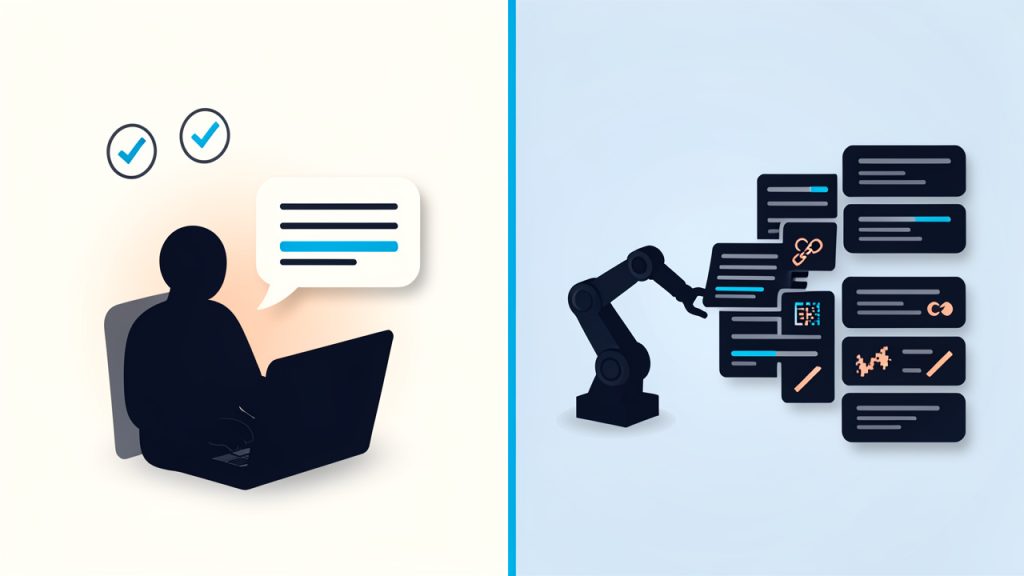
Why Manual Posting Still Matters
There is also a credibility factor. Readers can often sense when content has been sent through a system rather than written with care. A manually published post tends to feel more immediate and authentic, especially when it addresses a real situation, answers a current question, or reflects a timely update.
A manually published post also gives you room to review tone, verify links, correct formatting, and avoid the common mistakes that happen when content is pushed out automatically. This does not mean automation is bad. It means manual posting remains important where accuracy, nuance, and timing are critical. The best content workflows usually combine both, using automation for repetitive tasks and manual posts for moments that need judgment.
Key Aspects of a New Manual Post
Understanding a manually created post starts with understanding what makes it effective. It is not enough to publish something by hand. The value comes from how the post is planned, written, and delivered.
Control Over Message Quality
One of the biggest strengths of a manual post is editorial control. You decide what stays, what goes, and how the message is framed. That matters when brand voice is important or when a careless phrase could confuse readers.
This is especially useful for businesses and solo professionals who want to sound consistent and trustworthy. Instead of using a recycled template, you can shape the post around the exact situation. That leads to stronger communication and fewer misunderstandings.
Better Context and Relevance
A manually created post is usually more context-aware. It reflects current events, audience mood, product changes, or business priorities at the time of publishing. That context improves relevance, and relevance is what makes content feel timely rather than generic.
Think of it like writing a note to a customer instead of sending a canned autoresponder. The manual version can acknowledge what has changed, answer the likely question, and guide the reader more clearly. Even when the information is simple, the extra relevance makes the content more useful.
Reduced Risk of Publishing Errors
Automation can save time, but it can also repeat old mistakes at scale. A broken link, outdated date, wrong image, or mismatched caption becomes much harder to manage when the system publishes it everywhere. Creating a manual post introduces a review step that helps catch those issues before they go live.
That review step is not glamorous, but it is valuable. It is often the difference between a polished announcement and a post that creates extra support requests. For busy teams and independent professionals alike, preventing avoidable errors is a meaningful productivity gain.
Stronger Audience Trust
Trust is built through consistency and clarity. When readers see that your posts are current, specific, and human, they are more likely to believe the rest of what you publish. A manually created post can contribute to that trust because it feels deliberate.
This is particularly important in customer-facing communication. Updates about pricing, features, availability, deadlines, or service interruptions should not feel robotic. They should feel dependable. Manual posting supports that impression because it gives you the chance to communicate with care.
Flexibility Across Platforms
A manual post is not tied to one format. It can be adapted to different platforms while still staying true to the original message. That flexibility matters because each channel has its own expectations. A website announcement may need detail, while a social update needs brevity and immediacy.
Manual posting helps you tailor the same core information for different audiences. Instead of forcing one version everywhere, you can write what fits each platform. That often results in better engagement because the content feels native rather than copied.
How to Get Started With a New Manual Post
Starting with manual posting does not require a complicated system. In fact, the most effective approach is often the simplest one. The goal is to build a repeatable habit that gives you control without slowing you down.
Begin With a Clear Purpose
Before writing a manual post, decide what it needs to accomplish. Is it informing, promoting, clarifying, updating, or inviting action? A post without a clear purpose tends to become vague, and vague content rarely performs well.
A useful test is to finish this sentence before you write: After reading this post, I want the audience to know, feel, or do what? That one question keeps the content focused. It also prevents unnecessary filler, which is especially important when time is limited.
Match the Post to the Platform
Manual posting works best when the content fits the place where it appears. A post on a company website can carry more detail and structure. A LinkedIn update may need a stronger professional angle. A short-form social post should get to the point quickly while still sounding natural.
This is where manual creation shines. You can adapt tone, length, and formatting instead of relying on a one-size-fits-all template. That small adjustment often improves readability and response.
Create a Simple Publishing Workflow
You do not need an enterprise content operation to publish well. A lightweight workflow is usually enough. For many users, the essentials are:
- Define the goal: Know why the post exists.
- Draft the message: Write clearly and directly.
- Review for accuracy: Check facts, links, and formatting.
- Publish and monitor: Watch for questions or needed edits.
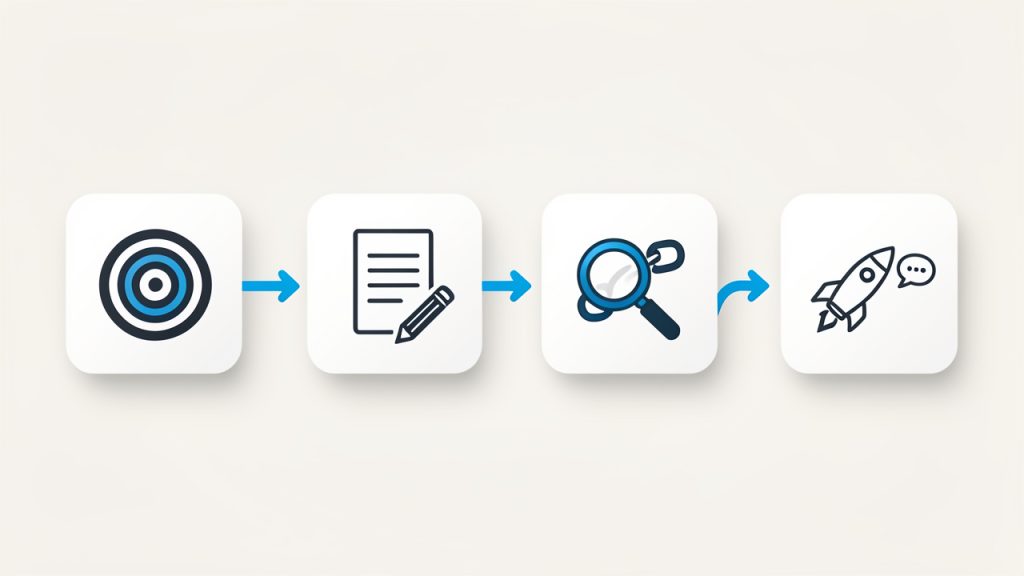
What matters is consistency. If every manually published post goes through the same basic process, quality becomes easier to maintain. That is particularly helpful for small teams and solo operators who need reliable output without extra complexity.
Focus on Readability First
A manual post should be easy to scan and easy to understand. That means short paragraphs, clear wording, and a logical flow. Readers do not reward complexity for its own sake. They reward clarity.
If the topic is technical or detailed, break it into sections and use descriptive headings. If the message is brief, keep it tight and direct. In both cases, remove anything that distracts from the main point. Good manual posting is often less about writing more and more about writing better.
Use Manual Posting Where It Adds the Most Value
Not every piece of content needs to be written from scratch at the moment of publishing. The smart approach is to use manual posting selectively, where it offers the greatest return. This usually includes announcements, customer updates, timely commentary, product changes, and sensitive communication.
The comparison below shows where a manually created post tends to be strongest.
| Use Case | Manual Post Strength | Why It Works |
|---|---|---|
| Time-sensitive updates | High | You can reflect current conditions accurately |
| Product or service announcements | High | Tone and details can be tailored carefully |
| Routine recurring promotions | Medium | Manual editing helps, but templates may also work |
| Evergreen scheduled content | Low to Medium | Automation is often efficient here |
| Customer issue communication | Very High | Human wording builds clarity and trust |
Avoid Common Mistakes
Manual posting is valuable, but it is not automatically effective. Some users publish too quickly and skip review. Others overthink every word and slow themselves down. The right balance is intentional, but practical.
A few simple habits can help you avoid common problems:
- Check accuracy: Confirm names, dates, prices, and links.
- Keep tone consistent: Write in a voice that matches your brand or role.
- Add one clear action: Tell the reader what to do next, if anything.
- Edit for brevity: Remove sentences that do not serve the purpose.
These basics sound obvious, but they solve most quality issues. In real-world publishing, success often comes from disciplined fundamentals rather than elaborate strategy.
Conclusion
A manually created post is more than just content typed and published by hand. It is a deliberate communication choice. It gives you control over message quality, improves contextual relevance, reduces preventable errors, and helps your audience feel that a real person is paying attention.
If you want better results from your content, start small. Choose one important update this week and publish it manually with care. Focus on purpose, clarity, and accuracy. That single habit can improve not only how your posts look, but also how your business, brand, or work is understood.
Leave a Reply