
JNTZN

Tag: small business

  • Create a New Manual Post: Fast, Clear, and Controlled

    A new manual post can be surprisingly powerful when speed, clarity, and control matter more than automation. For small business owners, freelancers, developers, and productivity-focused users, the ability to publish something directly, intentionally, and without unnecessary complexity often solves a real problem. You do not always need a sophisticated workflow to get a message live. Sometimes, you simply need a reliable way to create and share content by hand.

    That is where the idea of a manually created post becomes useful. Whether you are publishing an update on a website, adding a listing, posting to a blog, documenting a process, or sharing an announcement in a content system, a manual post gives you direct ownership over what appears, when it appears, and how it reads.

    Used well, it can improve accuracy, reduce friction, and help you stay agile.

    What Is a New Manual Post?

    A manually created post is exactly what it sounds like, a post created directly by a person instead of being generated automatically by software, imported from another source, or triggered by a scheduled workflow. In practical terms, it is the act of opening a platform, entering the content yourself, setting the title, text, images, tags, or metadata, and publishing it on your own terms.

    This matters more than it may seem at first. In many digital tools, automation is treated as the default path to efficiency. That can be useful, especially for repetitive tasks. But manual posting still plays a critical role because not every message fits a template. A product launch, policy change, urgent client note, status update, or custom article often needs context, nuance, and human judgment that automated systems cannot fully provide.

    For productivity-minded users, a manual post is not the opposite of efficiency. It is often the smarter choice when precision matters. If you have ever spent more time fixing a bad automated output than it would have taken to write the post yourself, you already understand the value. Manual creation gives you room to tailor tone, structure, timing, and detail.

    Key Aspects of a New Manual Post

    The first key aspect is control. When you create a post manually, you decide every element that goes live. That includes wording, formatting, links, calls to action, and the overall message. For small businesses, this can be the difference between sounding generic and sounding trustworthy. A manually crafted post tends to reflect the real voice of the brand, which is especially important when customer relationships depend on authenticity.

    Another important aspect is accuracy. Automated publishing systems can save time, but they can also carry over outdated data, formatting issues, duplicated text, or context that no longer applies. A manually created post forces a quick but valuable review process. You see the content as the audience will see it. That simple check often prevents mistakes that damage credibility.

    A manual post also supports timely communication. When something changes quickly, such as availability, pricing, deadlines, service interruptions, or project updates, waiting on an automation workflow can create unnecessary delay. Manual posting allows you to respond in real time. That responsiveness can be a competitive advantage, especially for freelancers and small teams that need to move fast without layers of approval or technical setup.

    There is also a strong case for better content quality. Manual posts usually perform better when the message requires empathy, explanation, or persuasion. Think about a client-facing update, a thought leadership article, or a support announcement. These are not just data entries. They are communication assets. A human-written post can adapt its tone, anticipate reader concerns, and answer questions before they arise.

    Manual vs. Automated Posting

    Both approaches have a place, but they solve different problems. Automation is excellent for scale and repetition. Manual posting is better for nuance and oversight.

    Approach Best For Main Strength Main Risk
    Manual posting Custom updates, announcements, one-off content Full control and accuracy Takes more hands-on time
    Automated posting Recurring content, scheduled updates, data-driven publishing Speed and scalability Errors can repeat at scale
    Hybrid workflow Teams balancing efficiency with quality Flexible and practical Requires process discipline

    For many users, the best solution is not choosing one over the other. It is knowing when to use each. A manually created post is often the right choice when the message is important enough that you want to review every word before publishing.

    Why It Matters for Small Teams and Solo Operators

    If you run a small business or work independently, your publishing process needs to be simple. Complex systems can create more friction than value. A new manual post fits lean operations because it requires very little overhead. You do not need a full automation stack to publish a useful update. You just need clarity about what you want to say and where it should appear.

    That simplicity is powerful. It reduces tool dependency, shortens the path from idea to publication, and makes content management easier to understand. It also lowers the risk of silent failures. With automated systems, a problem may go unnoticed until the wrong content has already been published. With a manual process, visibility is built in because you are present at the moment of creation.

    How to Get Started With a New Manual Post

    Getting started is less about technology and more about process. Most platforms already support manual posting, whether it is a CMS, e-commerce backend, project board, forum, documentation tool, or social publishing interface. The real question is how to make your manual posts consistent, useful, and quick to create.

    Start by defining the purpose of the post. Before writing anything, ask what the reader needs to know and what action, if any, they should take after reading. This keeps the post focused. A common mistake is trying to make one post do too much. A good manual post is usually built around a single clear objective, such as informing, updating, clarifying, or prompting a response.

    Next, think about structure. Even a short post benefits from a logical flow. Lead with the most important information first. Then add the details that support it. If the post includes a date, deadline, link, or instruction, make that easy to find. Readers scan before they read deeply. Clear formatting improves usability immediately.

    A Simple Starting Workflow

    You do not need a complex checklist, but a short routine helps maintain quality. A practical workflow often looks like this:

    1. Define the goal of the post in one sentence.
    2. Write the headline so the purpose is obvious.
    3. Draft the body with the most important information first.
    4. Review for clarity by removing anything vague or repetitive.
    5. Publish and verify that formatting, links, and display look correct.

    This process works because it mirrors how readers consume content. They want relevance first, details second, and confidence that the information is current and trustworthy.

    Writing a Better Manual Post

    A manually written post should feel deliberate, not merely improvised. That does not mean it must be long or polished to perfection. It means every sentence should earn its place. If a paragraph does not inform the reader, answer a likely question, or move the message forward, it probably does not need to be there.

    Use plain language wherever possible. This is especially important for operational updates, service notices, or instructions. Clear writing reduces support requests and avoids confusion. If your audience includes busy clients or team members, they will appreciate content that respects their time.

    It also helps to write with context in mind. A manually created post should match the platform where it appears. A website announcement may need a slightly more formal tone. An internal workspace update can be more direct. A marketplace or listing post may need concise factual details. Good manual posting is not just about entering text. It is about matching message to medium.

    Common Mistakes to Avoid

    One frequent issue is publishing too quickly without reviewing the final version. Because manual posting feels simple, users sometimes skip the last check. That is where broken links, inconsistent formatting, and incomplete sentences often slip through. A thirty-second review can prevent a disproportionate amount of trouble.

    Another mistake is overloading the post with background information. Manual posts are most effective when they are focused. If you need to explain multiple topics, separate them into different posts or use headings to keep the content navigable. Readers should not have to dig for the point.

    A third problem is inconsistency. If every manual post looks different, uses a different tone, or buries key information in a different place, your workflow becomes harder to maintain. Consistency creates trust. It also makes posting faster because you are not reinventing the format every time.

    Practical Use Cases for Manual Posting

    In a business setting, a manually created post is often the best tool for announcements that carry direct consequences. Think of holiday hours, service changes, urgent stock updates, policy clarifications, or project milestones. These are moments when the exact wording matters. A generic auto-generated message may technically communicate the update, but it may not communicate it well.

    Freelancers can use manual posts to publish portfolio updates, client notices, availability changes, and service explanations. Because freelance work often relies on personal credibility, a manually written post can reinforce professionalism. It feels intentional, and that matters when every piece of communication shapes perception.

    Developers and technical users may also prefer manual posts in documentation systems, changelogs, and release notes when a feature needs explanation beyond raw commit data. Automated notes can list what changed. A human-written update can explain why it changed, what users should expect, and what action to take next. That layer of interpretation is where the value lies.

    Making Manual Posting More Efficient

    Efficiency does not require full automation. Often, it comes from reducing avoidable decisions. If you publish manual posts regularly, create a lightweight internal format for yourself. Use a repeatable title style. Decide where dates, links, or action items should appear. Keep a standard tone for customer-facing content. These small choices remove friction.

    You can also improve speed by preparing reusable starting points. This is not the same as relying on generic templates for everything. It is more about having a consistent frame. For example, announcements often benefit from a pattern: what changed, who it affects, when it starts, and what to do next. That structure keeps the post useful without making it robotic.

    The goal is to keep the benefits of manual control while minimizing unnecessary effort. A strong process does exactly that. It helps you publish quickly without sacrificing accuracy or voice.

    Conclusion

    A manually created post remains one of the simplest and most effective ways to communicate online when clarity, timing, and control matter. It gives you direct ownership over the message, reduces the chance of context errors, and works especially well for businesses and individuals who need flexible publishing without heavy systems.

    If you want better results from manual posting, start small and improve the process rather than overcomplicating the tools. Create one clear post with a focused purpose, review it before publishing, and build a repeatable structure from there. That approach is practical, fast, and far more valuable than publishing content that saves time but misses the point.

  • How to Create a New Manual Post That Resonates

    The phrase new manual post can sound simple, but in practice it often points to something many small businesses, freelancers, and creators struggle with every day, publishing content by hand with intention instead of relying entirely on automation. That matters more than most people think. When you create a post manually, you control the message, the timing, the tone, and the details that automated systems often flatten.

    For people juggling marketing, client work, product updates, and daily operations, manual posting can feel inefficient at first, but it is often the fastest route to clarity and quality, especially when you are testing ideas, announcing something important, or trying to sound more human online. A new post created manually gives you space to be precise, relevant, and responsive in a way scheduled templates rarely can.

    This guide explains what a manual post is, why it still matters, and how to use a manually created post as a practical tool for communication, visibility, and productivity.

    What Is a New Manual Post?

    A manually created post is a piece of content you create and publish directly, rather than generating it through automation, bulk scheduling, or cross-posting tools. The exact format depends on the platform. It could be a blog update, a social media post, a community announcement, a product note, or even an internal team message. What makes it manual is not the channel, but the process. You write it, review it, and publish it intentionally.

    That distinction matters because manual posting usually reflects a real moment. It responds to a current event, a timely customer question, a fresh idea, or a specific business need. Instead of filling a calendar slot, it serves a purpose. For small teams and independent professionals, that kind of precision often outperforms content created just to stay active.

    A manually created post also gives you more control over nuance. Automation is useful for consistency, but consistency without context can become noise. A new post written by hand allows you to adapt your wording, make your tone more natural, and speak directly to the people you want to reach. This is especially useful when trust, clarity, and responsiveness are part of your brand.

    Why Manual Posting Still Matters

    Many businesses assume smarter systems always produce better outcomes. In reality, automated publishing is only as good as the strategy behind it. If the message is weak, generic, or poorly timed, automation simply helps you publish weak content faster.

    Manual posts are different because they force a brief moment of thought. You ask, why am I posting this now, who is it for, and what should happen after someone reads it? Those questions improve quality. They also reduce the common problem of publishing for appearance instead of value.

    This is particularly important for audience-facing communication. A local service business, a solo consultant, or a startup founder often benefits more from one sharp, relevant post than from ten generic updates. The manual approach encourages that sharper standard.

    Where a manually created post is commonly used

    A manually created post appears in more places than people realize. On social platforms, it may be a quick update tied to current customer interest. On a website, it may be a timely article or announcement. In a project or collaboration tool, it may be an update designed to keep a team aligned.

    The common thread is intentional publishing. The post is created because it needs to exist, not because the system says it is time to publish something. That subtle difference often changes both the quality of the content and the way people respond to it.

    Key aspects of a manually created post

    The most important quality of a manually created post is intentionality. A manual post starts with a reason. That reason might be to educate, announce, clarify, promote, or respond. If you cannot identify the reason quickly, the post usually becomes vague. Intent acts like a filter. It helps you choose the right angle, length, and call to action.

    Another key aspect is tone. Manual posts tend to sound more human because they are written for a specific moment. They can acknowledge urgency, show personality, or answer a real question in plain language. This matters because audiences are increasingly good at spotting content that sounds over-processed. Even if they cannot explain why, they can feel the difference between a post written to communicate and a post written to fill space.

    Relevance and timing

    A manually written post often performs well because it is close to the moment that inspired it. Timing is not just about trending topics. It is also about internal timing, such as launching a service, announcing a feature, updating customers, or clarifying a policy. Publishing close to the moment gives the content energy and relevance.

    That immediacy is valuable in business communication. If a customer concern appears repeatedly, a manual post can address it directly. If a product update changes how people use your service, a quick post can reduce confusion. If market conditions shift, your messaging can shift with them.

    Automation usually works best for repeatable content. Manual posting works best for meaningful content. Most brands need both, but they should not confuse one for the other.

    Quality control and accuracy

    A manually created post can also improve accuracy. When you publish by hand, you are more likely to notice awkward wording, outdated references, broken assumptions, or tone issues. That extra review step helps protect credibility.

    This is especially important for small businesses and freelancers, where every public message reflects directly on the person behind it. A rushed or generic post can make a capable business look careless. A clear, concise manual post can make even a small operation appear thoughtful and trustworthy.

    Flexibility across platforms

    Another strength of the manual approach is flexibility. A manually created post can be shaped to fit the platform instead of forcing one generic message everywhere. A website article may need context and depth. A social post may need brevity and immediacy. A client-facing update may need reassurance and clarity.

    That flexibility matters because platform behavior changes how people read. The same message can succeed or fail based on how well it matches the environment. Manual posting gives you room to adapt without losing meaning.

    Manual posting versus automated posting

    The difference between manual and automated publishing becomes clearer when viewed side by side.

    Aspect Manual Post Automated Post
    Control High control over wording, timing, and tone Often limited to pre-set rules or templates
    Speed Fast for single timely updates Fast for large-scale recurring publishing
    Personalization Easier to tailor to current context Can feel generic if not carefully configured
    Consistency Depends on your workflow Strong for maintaining schedules
    Best Use Case Announcements, timely responses, nuanced messaging Recurring campaigns, evergreen content, routine scheduling

    This comparison does not suggest one method is always better. It shows that a manually created post is strongest when context matters more than scale.

    How to get started with a manually created post

    The easiest way to start is to stop thinking about the post as content and start thinking about it as communication. Ask yourself what someone needs to know, feel, or do after reading it. That single shift can improve clarity immediately. Instead of trying to sound impressive, focus on being useful.

    Before writing, define the purpose in one sentence. For example, you may want to announce a new offer, explain a change, answer a common question, or share a useful observation. If the purpose feels blurry, the post usually will too. A manual post works best when it is built around one clear idea.

    Start with a strong core message

    Every good manual post has a center. That center is the message you would say out loud if someone asked what the post is about. If you cannot say it simply, rewrite it until you can.

    A practical structure works well here. Begin with the most important point. Follow with a brief explanation. End with the next step. This pattern works across most formats because it respects the reader’s time. It also helps productivity-minded users avoid overediting and second-guessing every line.

    Shorter is often better, but shorter does not mean shallow. A concise post can still carry authority if the message is specific. Compare a vague line like “We have exciting news” with a direct line like “We now offer same-day turnaround for standard client requests.” Specificity builds trust.

    Match the post to the platform

    A manually created post should fit the place where it appears. If you are posting on a website, readers often expect context, clarity, and discoverable keywords. If you are posting on social media, they expect speed, relevance, and a cleaner opening line. If you are publishing inside a team or customer portal, usefulness matters more than style.

    Many people lose momentum by trying to write one perfect version for every platform. A better approach is to create one core message and adapt it lightly. Keep the idea consistent, but let the wording change to match the channel.

    Use a simple publishing workflow

    You do not need a complex system to publish manual posts effectively. You need a repeatable routine that keeps quality high without slowing you down.

    A practical workflow can be as simple as this:

    1. Define the goal, decide what the post should achieve.
    2. Write the main point first, lead with the clearest takeaway.
    3. Edit for clarity, remove filler, jargon, and repeated ideas.
    4. Publish with intent, choose the right time and channel.

    That process is lightweight enough for a solo user and structured enough for a small team. It also reduces one of the biggest productivity problems in content creation, spending too much time polishing a message that was never clear to begin with.

    Common mistakes to avoid

    Many manual posts fail for predictable reasons. They say too much, hide the main point, or try to sound polished at the expense of sounding real. Another common issue is writing from the business perspective only, without translating the message into reader value.

    The strongest manual posts avoid those traps. They make the reader’s context visible. They answer the unspoken question, why should I care? That one habit separates useful updates from forgettable ones.

    It also helps to avoid publishing just because you feel you should. A manually written post should have a reason to exist. If there is no message, no insight, no update, and no action to support, waiting is often the better choice.

    A practical checklist before you publish

    Before you publish a manually created post, review a few essentials:

    • Purpose: Is the main point obvious within the first sentence or two?
    • Audience: Does the wording make sense for the people reading it?
    • Clarity: Have you removed vague phrases and unnecessary filler?
    • Action: Is it clear what the reader should do or understand next?

    This short check prevents avoidable mistakes while keeping your workflow fast. For busy professionals, that balance matters. A good process should support action, not create friction.

    Conclusion

    A manually created post is more than a basic publishing action. It is a deliberate way to communicate with clarity, timing, and control. For small business owners, freelancers, developers, and anyone focused on efficient workflows, manual posting remains a valuable skill because it helps you respond to real situations with messages that feel relevant and human.

    The next step is simple. Create one new post manually this week with a single purpose in mind. Keep it clear, specific, and useful. Measure the response, refine your approach, and treat manual posting not as extra work, but as one of the most direct ways to say something that actually matters.

  • Publish a New Manual Post: A Practical Guide

    Publishing quickly is easy. Publishing well is harder. That is why a new manual post still matters, even in a world filled with automation, templates, schedulers, and AI-assisted workflows.

    For small business owners, freelancers, developers, and productivity-focused users, the manual approach can feel slower at first. But it often produces better control, cleaner messaging, and fewer costly mistakes. When you create a post manually, you are making deliberate choices about timing, tone, format, and audience relevance, instead of handing those choices off to a system that may not understand your priorities.

    A post created by hand is not old-fashioned. In many cases, it is the most practical way to keep communication accurate and human. Whether you are publishing to a blog, a CMS, a forum, a project board, or a social platform, manual posting gives you a chance to review every detail before it goes live. That extra attention can protect your brand, improve clarity, and help your content perform better.

    What Is a New Manual Post?

    A new manual post is content that is created, formatted, reviewed, and published directly by a person rather than being auto-generated, auto-scheduled, or pulled from another system. The phrase can apply in several contexts, including blog publishing, website updates, CMS entries, community posts, marketplace listings, or internal company announcements.

    At its core, a manual post is about intentional publishing. You open the editor, write the content, choose the title, check the links, confirm the formatting, and hit publish yourself. That may sound simple, but it is a meaningful distinction. Automated systems are useful for scale, while manual posting is useful for precision.

    For many teams and solo professionals, a post made manually is the safer option when the information is sensitive, time-specific, or brand-critical. A product update, a pricing clarification, a client announcement, or a policy change often benefits from human review at every step. In those moments, accuracy matters more than speed.

    There is also a quality advantage. Manual posts tend to reflect current context better. They can respond to a live event, a customer question, a trend in your niche, or a specific issue inside your business. That responsiveness makes content feel more relevant, and relevance is what readers notice first.

    Key Aspects of a New Manual Post

    Control Over Message and Tone

    The strongest advantage of a post published manually is editorial control. You decide how direct, formal, helpful, or persuasive the message should be. That matters because tone is not cosmetic. It shapes trust.

    A freelancer writing a client update needs a different voice than a developer posting release notes. A local business announcing new hours needs a different tone than an online store introducing a seasonal offer. Manual posting allows you to match the message to the moment, instead of relying on a generic structure that may sound flat or out of place.

    This is especially important for businesses that depend on relationships. Readers can usually tell when content has been posted with care. Clear phrasing, thoughtful structure, and a natural voice all contribute to credibility.

    Accuracy and Reduced Risk

    Automation saves time, but it can also publish the wrong thing very efficiently. A manual workflow introduces a review step that reduces the chance of outdated details, broken formatting, missing links, or context errors.

    That review step is often where quality is won or lost. A post that looks fine in draft form may contain a typo in the headline, an incorrect price, or a sentence that becomes confusing once published on mobile. Manual posting creates space to catch those issues before readers do.

    For small businesses in particular, this matters more than many people realize. A single inaccurate post can create unnecessary customer support requests, damage confidence, or force a public correction. A few extra minutes spent reviewing a manual post can prevent hours of cleanup later.

    Better Fit for One-Off or Timely Content

    Not every post should be part of an automated content pipeline. Some messages are unique by nature. They depend on timing, nuance, and situational judgment.

    A manual post is ideal when the content is tied to a real-world moment. That might include an event announcement, an urgent service notice, a product availability update, or a personal commentary piece. These posts often need custom wording because they are not just filling a slot in a schedule. They are responding to something specific.

    That flexibility is valuable for productivity-minded users, too. Sometimes the fastest path is not building a system. Sometimes it is opening the editor, writing the message, and publishing it with confidence.

    Human Judgment Still Matters

    The case for manual posting is not really a case against tools. It is a case for using tools wisely. Templates, checklists, grammar assistants, and scheduling platforms can all improve workflow, but human judgment is still what makes a post effective.

    A person understands subtext. A person notices whether a sentence sounds too cold, too vague, or too promotional. A person can ask, “If I were the reader, would this make sense immediately?” That kind of judgment is difficult to automate well, especially when audience expectations change quickly.

    This is why many high-performing teams use a hybrid model. They automate repetitive tasks and keep final publishing decisions manual when quality matters most. That approach combines efficiency with oversight, which is often the smartest balance.

    SEO and Discoverability Considerations

    From an SEO perspective, a manually created post can be stronger because it is usually more focused. You can tailor the title, headings, internal links, and keyword usage to a clear intent rather than relying on a mass-produced format.

    If your goal is to rank for searches related to a new manual post, the wording should feel natural and useful. Search engines increasingly reward content that reads like it was written for people first. That means clarity, relevance, and topical depth all matter more than awkward repetition.

    A good manual post typically has a cleaner structure as well. You can refine headings, tighten the introduction, improve scannability, and remove filler before publishing. Those edits may seem small, but together they improve both user experience and search performance.

    How to Get Started with a New Manual Post

    Start With Purpose, Not Format

    Before writing a post manually, define the goal. Ask what the post needs to accomplish. Is it meant to inform, persuade, update, clarify, or drive action? The answer shapes everything that follows, from headline style to call to action.

    Many weak posts fail because they begin with format instead of purpose. Someone decides to “publish something” without deciding what the reader should understand or do afterward. Manual posting works best when the objective is clear from the beginning.

    Think of the post as a conversation with one specific person. A small business owner might picture a customer who needs reassurance. A freelancer might picture a prospect comparing service providers. A developer might picture a user looking for accurate implementation details. That mental clarity improves writing immediately.

    Build a Simple Manual Workflow

    You do not need a complicated system to publish consistently. You need a repeatable one. A basic workflow helps you move faster without sacrificing quality.

    A practical starting process looks like this:

    1. Define the goal: Decide what the post should achieve.
    2. Draft the message: Write clearly, with the audience in mind.
    3. Review details: Check facts, links, dates, formatting, and tone.
    4. Publish and verify: Confirm the live version looks correct on desktop and mobile.

    This kind of lightweight process is especially useful for solo operators and lean teams. It keeps the work organized without turning publishing into a bureaucratic task.

    Focus on Clarity First

    When creating a post manually, clarity should come before cleverness. Readers rarely reward vague language, overloaded introductions, or headlines that hide the point. They respond to content that tells them quickly why it matters.

    That means using direct wording, short paragraphs, and a logical structure. Put the most important information early. If there is an action the reader should take, state it plainly. If there is a deadline, include it where it cannot be missed.

    This is one reason manual posting remains effective. It encourages active editing. You are more likely to notice cluttered phrasing and remove it when you are handling the content yourself from draft to publication.

    Create a Practical Pre-Publish Check

    A manual process becomes much stronger when it includes a short review habit. Not a complex editorial framework, just a fast final check before publishing.

    Use these essentials:

    • Headline: Is it clear and accurate?
    • Details: Are names, dates, prices, and links correct?
    • Formatting: Does it read cleanly on screen?
    • Action: Is the next step obvious to the reader?

    This simple checkpoint is enough to catch most common publishing errors. Over time, it also trains you to write cleaner first drafts because you start anticipating the review process as you work.

    Know When Manual Is the Best Choice

    Not every piece of content needs to be posted by hand, but some absolutely should be. A useful way to decide is to compare the risk of error with the value of speed.

    Here is a practical comparison:

    Content Type Best Approach Why
    Routine evergreen updates Automated or scheduled Efficient when content changes little
    Product announcements Manual Accuracy and tone matter
    Time-sensitive service alerts Manual Requires context and careful wording
    Bulk promotional campaigns Automated with review Better for scale, but still needs oversight
    Personal brand posts Manual Human voice is a competitive advantage
    Internal knowledge base updates Mixed approach Depends on frequency and importance

    The point is not to choose one method forever. It is to use manual posting where it creates the most value.

    Improve With Each Post

    The real strength of a manual approach is that it teaches you. Every post gives feedback. You start seeing which headlines get attention, which structures keep readers engaged, and which messages create confusion.

    That learning loop is powerful. It turns publishing into a skill rather than a task. Over time, your posts become easier to write because you understand your audience better. You develop instincts for what to say, how much context to include, and where readers are likely to hesitate.

    For freelancers and small business owners, this can become a competitive edge. Better manual posts often lead to better communication overall, including proposals, landing pages, client emails, and product messaging.

    Conclusion

    A new manual post is more than content entered by hand. It is a deliberate publishing choice that prioritizes accuracy, relevance, and human judgment. In the right situations, manual posting leads to stronger messaging, fewer mistakes, and a better experience for the reader.

    If you want to get started, keep the process simple. Define the goal, write clearly, review carefully, and publish with intention. That habit alone can improve the quality of your content and the trust your audience places in it. The next step is straightforward: create your next post manually, pay attention to the results, and refine your workflow from there.

  • Creating a New Manual Post: A Practical Guide

    A new manual post can be the difference between content that feels intentional and content that feels automated, rushed, or forgettable. For small business owners, freelancers, developers, and productivity-focused users, that distinction matters more than ever. When every update competes for limited attention, a manually created post often gives you tighter control over message, timing, and quality.

    If you have come across the phrase new manual post and wondered what it really means, you are not alone. The term can sound vague at first. In practice, it usually refers to a post that is created directly by a person, rather than generated, bulk-scheduled, or auto-published through a workflow. That simple difference has real consequences for branding, accuracy, audience trust, and day-to-day productivity.

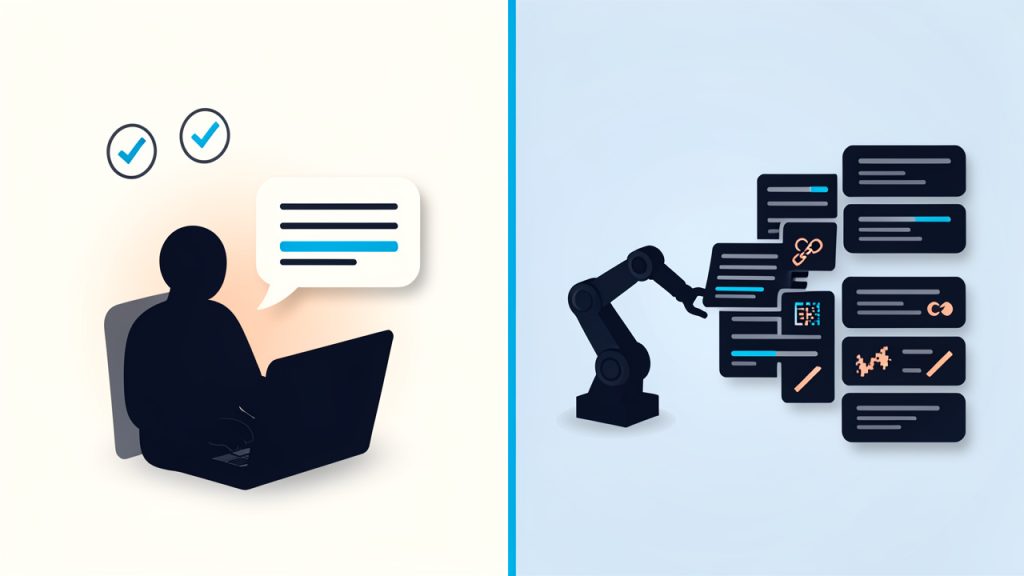
    Person drafting and publishing a manual post in a content management interface

    What Is a New Manual Post?

    A new manual post is content that is written, formatted, reviewed, and published by hand. The exact platform can vary. It might be a blog entry, a social media update, a marketplace listing, a community announcement, or a CMS post created from scratch. What makes it “manual” is not the tool you use, but the level of direct human input at each step.

    This matters because manual publishing gives you immediate editorial control. You can adjust tone, refine wording, check context, and respond to current events or customer needs in real time. For businesses and solo professionals, that flexibility is often more valuable than speed alone. Automated systems are useful, but they can miss nuance. A manually created post is usually better at sounding human because it is created by a person.

    There is also a practical side to the idea. In many tools, a manual post means starting with a blank editor rather than a template, automation rule, or imported content feed. You choose the title, body, media, metadata, and publishing settings yourself. That makes the process slower, but often far more precise.

    Why the Term Matters

    The phrase new manual post often appears in help docs, admin panels, and content workflows because it distinguishes one type of publishing from another. Some platforms separate manual posts from scheduled posts, syndicated posts, API-generated entries, or reposted content. If you are managing content across multiple channels, these distinctions help prevent confusion.

    For example, a freelancer updating a client website may need a fresh post that is not duplicated from an RSS source. A small business owner may want a handcrafted social post for a product launch rather than a recycled promotional asset. A developer documenting a release may prefer a manually written announcement over an automatically generated changelog summary.

    In each case, the goal is the same: you want a post that reflects judgment, context, and purpose, not just output.

    Key Aspects of a New Manual Post

    The most important aspect of a manual post is control, you decide what gets published and how it appears. That includes the headline, structure, keywords, visuals, links, and call to action. If something feels off, you can catch it before it goes live. That level of oversight reduces errors and protects your brand voice.

    Another key aspect is originality. Manual posts tend to feel more specific because they are shaped around a real moment or need. A restaurant owner might write about a holiday menu with local references. A consultant may post a quick update tied to a client trend they noticed that morning. That kind of relevance is difficult to automate well.

    A third factor is accuracy. Automated publishing can save time, but it can also spread outdated phrasing, wrong links, awkward formatting, or context-free messaging. A manually created post gives you the chance to verify facts, test links, and tailor the final message to the audience seeing it.

    Manual vs Automated Posting

    The best choice is not always manual or always automated, it depends on the purpose of the content. The comparison below shows where each approach tends to shine.

    Aspect Manual Post Automated Post
    Control High, every detail can be adjusted Lower, depends on system rules
    Speed Slower to create Faster at scale
    Tone More natural and tailored Can feel generic
    Accuracy Review Easier to verify before publishing Errors can slip through if not monitored
    Scalability Limited by time and attention Strong for recurring tasks
    Best Use Case Important updates, launches, personal communication Repetitive publishing, scheduled campaigns, syndication

    This does not mean automation is bad. Many smart teams use both approaches. They automate repetitive tasks and reserve manual posting for high-impact messages. That hybrid model is usually the most realistic for busy professionals who care about quality and efficiency.

    Why Manual Posting Still Matters

    Manual posting remains valuable because audiences can tell when content has intention behind it. That does not mean every post must be long or polished to perfection. It means the content feels considered. The wording fits the moment. The message answers a real question. The post sounds like it came from someone paying attention.

    For small businesses, this can improve trust. For freelancers, it can strengthen personal brand. For developers, it can make technical updates more understandable. For productivity-minded users, it can prevent the hidden cost of cleaning up low-quality automation later.

    There is also a strategic benefit. Writing posts manually forces you to think through the purpose of the content. Are you informing, selling, educating, or starting a conversation? That clarity often leads to stronger performance than publishing simply because a content calendar says you should.

    How to Get Started With a New Manual Post

    Starting a new manual post is easier when you stop thinking about it as a content event and start treating it as a communication task. Before writing anything, define the outcome. Are you trying to announce something, answer a question, drive traffic, or prompt a reply? A clear goal shapes the structure and prevents vague messaging.

    Once the purpose is set, think about the audience. A post for existing customers should sound different from a post for first-time visitors. Developers may want direct detail. Small business customers may care more about timing, benefits, and trust. Freelancers often need posts that demonstrate expertise without sounding overly formal.

    The next step is choosing the format. A manual post does not need to be complex. In many cases, the most effective version is a short, clear update with a strong headline, a useful body, and one clear action for the reader. Problems arise when creators try to say too much at once. A focused post is usually more effective than a broad one.

    A Simple Starting Framework

    If you are creating your first manually written post, keep the process straightforward. Use this sequence:

    1. Define the goal: Decide what the reader should know, feel, or do.
    2. Write the core message: Draft the main point in one or two plain sentences.
    3. Add supporting detail: Include context, benefit, proof, or explanation.
    4. Review before publishing: Check tone, links, spelling, and formatting.

    This basic method works across blogs, newsletters, social posts, product announcements, and internal updates. It is simple enough to repeat, but structured enough to improve consistency.

    Common Mistakes to Avoid

    One common mistake is publishing too quickly without reviewing the post as a reader would. What makes sense in your head may not be obvious on the screen. A manual process helps only if you actually pause to edit. Read the post once for clarity and once for usefulness. Those are not the same thing.

    Another mistake is overloading the post with too many goals. If you try to announce, explain, promote, educate, and sell all in one short message, the post often loses momentum. A manually created post should feel focused. Give the reader one main takeaway and support it well.

    A third issue is inconsistency. Some users create a manual post only when they have extra time, which makes quality unpredictable. The better approach is to develop a lightweight repeatable process. That way, manual posting stays practical rather than becoming a burden.

    Best Practices for Better Results

    A strong manual post usually begins with a clear opening sentence. The first line should tell readers why they should care. This is especially important online, where attention disappears fast. If the opening is vague, the rest of the post may never be read.

    The body should then do one of three things well: explain, clarify, or persuade. Choose the primary job of the post and build around it. If you are announcing a feature, explain what changed and why it matters. If you are sharing a business update, clarify what customers need to know next. If you are promoting a service, persuade with relevance rather than hype.

    Editing is where manual posting earns its value. Tightening language, removing filler, and making the call to action specific can improve performance dramatically. This is not about sounding fancy. It is about making the post easier to trust and easier to act on.

    When a Manual Approach Is the Better Choice

    Manual posting is often the better choice when the content is sensitive, timely, or brand-defining. Product changes, service disruptions, pricing updates, launch announcements, and customer-facing explanations all benefit from direct human review. In those cases, tone and precision matter too much to leave entirely to automated systems.

    It is also the right approach when your audience expects authenticity. Independent creators, boutique agencies, local businesses, and technical founders often build trust through voice and judgment. A handcrafted post reinforces that identity in a way templated content rarely can.

    Conclusion

    A new post created manually is more than a publishing method, it is a way to communicate with precision, context, and intent. While automation has its place, manual posting remains essential when quality, clarity, and trust matter most.

    If you want better results from your content, start small. Create one manual post with a clear goal, a focused message, and a careful review before publishing. That single habit can improve not only what you post, but how your audience experiences your brand.

  • How to Create a New Manual Post That Saves Time

    Publishing manually sounds simple until it starts stealing time, creating inconsistencies, and slowing down your workflow. That is why many small business owners, freelancers, developers, and productivity-focused users look for clearer guidance on creating a manual-post process, even though the phrase can mean different things depending on the platform or task.

    At its core, a manual post is content, data, or an update that a person creates and publishes directly, instead of relying on integrations, scheduling systems, or bulk tools. A manual posting workflow matters because it gives you control, accuracy, and flexibility. It also comes with trade-offs, especially when speed and scale become important. Understanding where manual posting fits and how to do it well can save time, reduce avoidable errors, and make your overall system more reliable.

    What Is a New Manual Post?

    A manual post usually refers to a freshly created post, update, listing, entry, or submission that someone adds by hand inside a platform. That platform could be a blog CMS, a social media dashboard, a marketplace, an internal admin panel, a CRM, a project board, or any tool where users publish information directly.

    The word manual is the important part. It implies a human is entering the content, choosing formatting, checking details, and pressing publish or submit without relying on automatic rules. In practical terms, this might mean writing a social media caption yourself, uploading a single image, entering metadata into a form, or creating a new content item inside a dashboard.

    For many teams and solo professionals, manual posting is not old-fashioned. It is often the best option when the content is sensitive, highly customized, time-specific, or too nuanced for automation. A freelancer posting a client update may need to review every word carefully. A shop owner adding a limited-edition product may want to control pricing, stock notes, and launch timing down to the minute.

    This is also why the idea of manual posting continues to matter even in a world full of automation. Automation is powerful, but it is only as good as the rules behind it. When content needs judgment, context, or a quick human decision, manual posting still wins.

    Key Aspects of a New Manual Post

    Control and Precision

    The biggest advantage of creating a post manually is precision. You decide exactly what appears, how it appears, and when it goes live. There is no guessing whether an automation rule pulled the wrong image, reused outdated text, or posted at the wrong time.

    This level of control is particularly valuable for businesses with brand standards, legal requirements, or audience-sensitive messaging. A manually created product announcement, policy update, or client-facing post can be reviewed with intention. That small pause before publishing often prevents mistakes that are expensive to fix later.

    Precision also matters for user experience. A manually reviewed post tends to have cleaner formatting, more relevant tags, better headlines, and fewer awkward details. Readers may not always notice when a post is crafted carefully, but they certainly notice when it is not.

    Flexibility in Fast-Changing Situations

    Manual posting is often the most flexible choice when conditions change quickly. If inventory shifts, an event is delayed, a client requests a last-minute edit, or a campaign needs a different angle, manual posting lets you react immediately.

    Automated systems are efficient when the process is predictable. Manual posting is stronger when the process is dynamic, because it gives you room to apply judgment in the moment. That is especially important for small teams that cannot afford robotic mistakes.

    Think of it as the difference between using a template and writing a personal note. Templates save time, but a personal note lands better when the situation requires care. Manual posts may take longer, but they often fit the moment more accurately.

    Time Cost and Operational Friction

    The main downside of manual posting is obvious: it takes time. If you are publishing once a week, that may not be a problem. If you are posting dozens of updates across multiple platforms every day, manual work can quickly become a bottleneck.

    The time cost is not limited to writing and publishing. It includes logging in, checking formatting, resizing assets, proofreading, confirming links, and verifying that the post appears correctly after publication. Each of these steps is small on its own, but together they create friction. The time cost is not limited to writing and publishing, it also includes logging in, checking formatting, resizing assets, proofreading, confirming links, and verifying that the post appears correctly after publication.

    That friction becomes more serious as your workload grows. A small business owner may begin by posting manually because it is easy and free. Later, the same process may start interfering with sales, customer service, or product work. At that point, the issue is not that manual posting is wrong, it is that the workflow has outgrown a fully manual system.

    Accuracy and Accountability

    Manual posts create a direct line of accountability. Someone made the post, reviewed the details, and approved the result. That is useful in environments where traceability matters, such as client work, regulated content, internal communications, and operational updates.

    Accuracy improves when the person posting understands the context. A human can spot tone problems, inconsistent naming, and confusing phrasing in ways many automated tools still miss. This is especially relevant when content is short but important, such as service notices, pricing changes, deadlines, or announcements.

    There is also a quality benefit. When a person owns the final step, they are more likely to ask useful questions before publishing. Is the title clear? Is the call to action visible? Does the post match the current offer? Those simple checks improve results more than most people expect.

    When Manual Posting Works Best

    Manual posting is most effective when volume is manageable and the value of human review is high. That includes content with strategic messaging, unique visuals, custom formatting, or details that change frequently.

    It also works well for testing. If you are experimenting with messaging, landing page copy, social angles, or listing formats, manual posting gives you direct feedback. You remain close enough to notice what is working and what feels repetitive, which often helps you decide later what should be automated.

    For productivity-minded users, this is the real distinction. Manual posting is not the opposite of efficiency. It is often the first stage of building an efficient process: you do the work manually first, learn the pattern, then decide what is worth systematizing.

    How to Get Started With a New Manual Post

    Define the Purpose Before You Open the Editor

    A common mistake is starting the posting process too early. People open the platform, click “new post,” and then try to figure out the message inside the editor. That slows everything down and leads to inconsistent content.

    Start with purpose instead. Ask what the post needs to accomplish. Is it meant to inform, sell, update, clarify, or drive a response? Once the purpose is clear, the writing gets easier and the structure becomes more obvious.

    This step matters whether you are posting to a website, social channel, marketplace, or internal system. Clear intent improves speed because it removes unnecessary decisions. You are no longer wondering what to say, you are choosing the best way to say one specific thing.

    Prepare the Core Elements in Advance

    Before creating a manual post, gather the pieces you are likely to need. In most cases, that means:

    1. Title or headline
    2. Main body copy
    3. Image or media asset
    4. Link, tag, or category
    5. Call to action

    This small preparation step dramatically reduces context-switching. Instead of stopping halfway through to hunt for a file, rewrite a headline, or find the correct URL, you move through the task in one focused session.

    For solo operators and lean teams, this is one of the easiest workflow improvements. It does not require new software, extra cost, or technical skill. It simply turns posting into a cleaner, repeatable habit.

    Use a Lightweight Posting Checklist

    If you create manual posts regularly, a short checklist is more helpful than relying on memory. It keeps quality consistent without making the process feel bureaucratic.

    A practical checklist should stay brief. Review the headline, formatting, links, image quality, timing, and final call to action. That is usually enough. If the checklist becomes too long, people ignore it and it defeats the purpose.

    The goal is not perfection, it is error prevention. A two-minute review can catch broken links, duplicated text, wrong dates, or formatting issues before they become public.

    Create a Repeatable Workflow

    A good manual posting system is not random. It follows the same sequence each time, even if the content changes. That sequence might begin with drafting, move to asset review, then formatting, preview, publishing, and post-publication verification.

    The reason this matters is cognitive load. Repeating the same order reduces mental fatigue. You do not need to decide what comes next because the workflow already tells you. That makes posting faster and more accurate over time.

    If you work with clients or teammates, repeatability also makes handoffs smoother. Everyone knows what “ready to post” means. That shared understanding cuts back on revisions, missed details, and back-and-forth messages.

    Know When to Stay Manual and When to Evolve

    Starting with a manual posting process is often smart, especially if you are still learning what your content needs. But staying fully manual forever is not always the best move.

    Pay attention to patterns. If you are repeating the same captions, uploading the same asset sizes, or re-entering the same fields over and over, part of the process may be ready for templates or automation. The smartest workflows are usually hybrid systems, where high-judgment tasks stay manual and repetitive tasks become streamlined.

    That balance is where many productive businesses find momentum. They keep human control where it matters while reducing wasted effort in the background. The result is not just faster posting but better focus across the entire business.

    Common Mistakes to Avoid

    One of the most frequent problems with manual posts is inconsistency. Without a standard approach, every new post can look slightly different. Titles vary in style, images do not match, and calls to action feel improvised. Over time, this weakens brand clarity and makes your process harder to manage.

    Another common issue is publishing too quickly. Manual posting feels simple, so people skip the preview step. That is when formatting breaks, links fail, and mobile display issues slip through. A quick final review is usually enough to avoid these problems.

    There is also a tendency to treat manual work as temporary and therefore not worth documenting. That is a mistake. Even a basic written process helps, especially if someone else may eventually assist with posting. Documentation turns a personal habit into an operational asset.

    Manual Posting vs Automated Posting

    Approach Best For Main Advantage Main Drawback
    Manual posting Custom updates, sensitive content, quality control High precision and flexibility Slower at scale
    Automated posting Recurring tasks, scheduled campaigns, repetitive workflows Speed and consistency Lower adaptability in complex situations
    Hybrid workflow Growing teams and evolving systems Balance of control and efficiency Requires process design

    For many readers, the best answer is a hybrid model. Use manual posting for high-value content where context matters, and automation for repetitive tasks that follow clear rules. That approach protects quality without letting routine work consume your day.

    Practical Notes and Links

    That platform could be a blog CMS, a social media dashboard, a marketplace, an internal admin panel, a CRM, a project board, or any tool where users publish information directly.

    In practical terms, this might mean writing a social media caption yourself, uploading an image one by one, or entering metadata into a form.

    The time cost is not limited to writing and publishing, it includes logging in, checking formatting, resizing assets, proofreading, confirming links, and verifying the post appears correctly after publication.

    This is also why the idea of manual posting continues to matter. Automation is powerful, but it is only as good as the rules behind it.

    Conclusion

    A manual post is more than just publishing. It is a hands-on workflow that gives you control, flexibility, and accountability when details matter most. For small businesses, freelancers, developers, and productivity-minded users, that control can be the difference between a rushed update and a polished, effective one.

    Next steps: review how you currently publish content, identify where a stronger manual process would improve quality, and tighten your workflow with a checklist and repeatable steps. If your workload is growing, use manual posting as the foundation for a smarter system that can scale without losing the human judgment that makes your content work.

  • How to Create and Publish a Manual Post

    How to Create and Publish a Manual Post

    A new manual post can be the simplest thing in your workflow, or the reason your publishing process feels slow, inconsistent, and harder than it should be. For small business owners, freelancers, developers, and productivity-focused teams, the phrase sounds straightforward. In practice, it often represents a very specific challenge, creating and publishing content by hand, with intention, without relying on full automation.

    That matters more than it seems. Manual posting gives you control over timing, wording, formatting, and context. It can help you avoid robotic content, catch mistakes before they go live, and tailor each update to a real audience. At the same time, it can become messy if there is no system behind it.

    If you are trying to understand what a manual post is, when a new manual post makes sense, and how to make the process efficient, this guide gives you a practical framework. The goal is not just to define the term, but to help you use manual posting in a way that supports speed, quality, and consistency.

    What Is a New Manual Post?

    At its core, a manual post is a piece of content created and published directly by a person, rather than generated, queued, or distributed entirely through automation. That content might be a blog post, social media update, marketplace listing, community announcement, changelog entry, or internal knowledge-base article. The common thread is simple, a human is actively writing, editing, and posting it.

    For many businesses, manual posting is still the default way to publish important updates. A freelancer may write a client-facing project update manually to make the tone more personal. A small ecommerce store may manually publish a product announcement to ensure pricing, images, and offers are accurate. A developer may create a manual release note because technical changes need precision and context that automation often misses.

    The word new matters here as well. It signals that this is not just an edit to existing content or a recycled template. It is a fresh post, created for a current purpose. That may sound obvious, but in content workflows, the difference between a truly new post and a duplicated or lightly modified one has real implications for search visibility, user trust, and brand credibility.

    A manual post is not automatically better than an automated one. It is better when the situation calls for judgment. If timing, nuance, compliance, branding, or audience sensitivity matter, a manual approach usually delivers stronger results.

    Key Aspects of a New Manual Post

    Control and accuracy

    One of the biggest advantages of creating a post manually is control. You decide the headline, the structure, the formatting, the call to action, and the exact moment the content goes live. That control is valuable when details matter, especially in customer-facing communication.

    Accuracy is often where manual posting proves its worth. Automated systems are useful, but they can publish outdated information, pull the wrong template field, or miss contextual issues. A manual process creates a natural review point. You can catch an expired offer, a broken link, a formatting issue, or wording that feels off before your audience sees it.

    For productivity-minded users, this can seem like extra effort. In reality, it is often preventive efficiency. Spending five more minutes before publishing can save hours of cleanup, customer confusion, or reputation repair later.

    Personalization and tone

    A manual post usually feels more human because a human wrote it. That is not just a branding preference, it affects engagement. Readers can often tell when content was created from a rigid template or published in bulk without much thought.

    When you create a manual post, you can adapt your message to the audience, platform, and moment. A LinkedIn post announcing a service update should not sound like a support article. A product launch email should not read like a tweet. Manual creation helps you shape tone with purpose.

    This is especially useful for small businesses and solo professionals. You may not have a large content team, but you do have the advantage of authenticity. A carefully written manual post can build trust in a way generic content rarely does.

    Flexibility across platforms

    The practical meaning of a manual post changes depending on where it appears. On a website, it may involve drafting, formatting, optimizing metadata, and publishing in a content management system. On social media, it may mean writing a platform-specific caption, attaching media, choosing the right tags, and posting at the right time.

    That flexibility is both a strength and a risk. It allows you to tailor content precisely, but it can also create inconsistency if there is no process. The same announcement can end up with different wording, mismatched visuals, or conflicting links across platforms if every post is handled ad hoc.

    The solution is not to eliminate manual work. It is to support it with a light structure. Think of manual posting like cooking without a meal kit. You have more freedom and usually better results, but only if you know the recipe and keep the ingredients organized.

    Time investment versus strategic value

    Manual posting takes time. There is no point pretending otherwise. If you publish frequently, the effort can add up quickly. That is why many teams swing hard toward scheduling tools, templates, and automation.

    Still, the right question is not whether manual posting takes time. The better question is whether the value of direct control outweighs the time required. For high-stakes content, the answer is often yes. For repetitive updates, the answer may be no.

    A useful way to think about it is to separate content into tiers. Important announcements, original thought leadership, sensitive updates, and client-specific communication often deserve a manual workflow. Routine reminders, evergreen reposts, and standardized notices may be better handled through templates or automation with review.

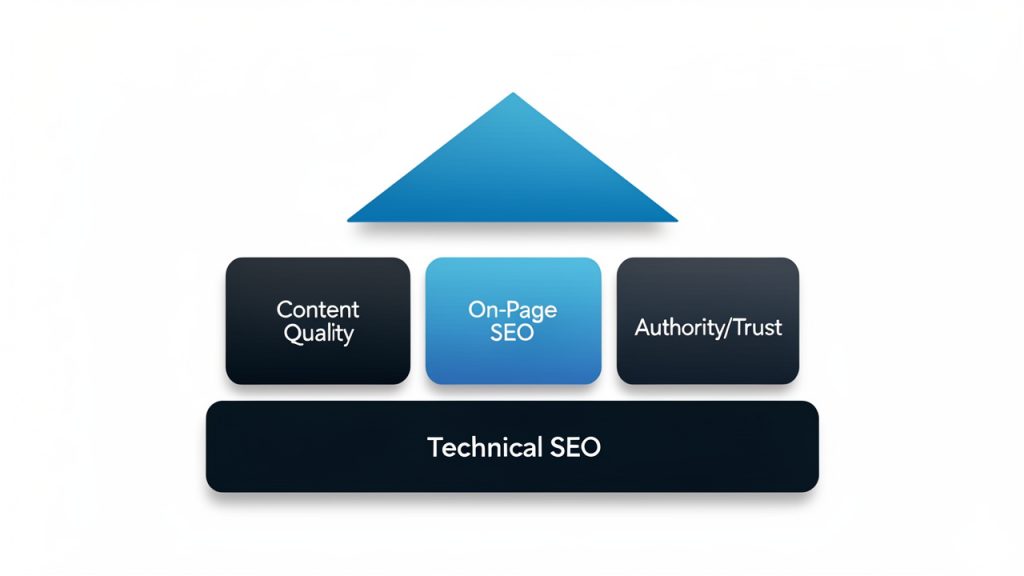
    A three-level tiered diagram (pyramid or stacked blocks) that maps content types to recommended approaches: Top—High-stakes (manual): launches, policy, client updates; Middle—Mixed: important recurring updates (template + manual); Bottom—Routine (automated): reminders, evergreen reposts. Include a short note about time vs value tradeoff.

    Note: Time investment is not uniformly bad. Allocate manual effort to high-value posts where context, accuracy, and tone materially affect outcomes, and automate where repeatability and scale matter.

    SEO and discoverability

    If your manual post lives on a website or blog, search visibility matters. A manually created post gives you the chance to optimize title structure, internal links, readability, keyword use, and metadata with more care than an automated pipeline might allow.

    That does not mean stuffing awkward phrases into the content. In fact, good SEO depends on the opposite. If you are targeting a phrase like a phrase such as “new manual post”, the content should use those terms naturally and in a way that makes sense to readers. Search engines increasingly reward clarity, relevance, and user value over mechanical repetition.

    Manual posting can support SEO because it encourages editorial judgment. You can identify what the reader actually needs, create a cleaner structure, and answer related questions in plain language. That often performs better than thin, mass-produced pages.

    How to Get Started With a New Manual Post

    Start with a clear purpose

    Before you write anything, define what the post is supposed to accomplish. That sounds basic, but it eliminates a surprising amount of wasted effort. A manual post without a clear objective usually turns into vague content that does not inform, persuade, or convert.

    Ask yourself whether the post is meant to announce, educate, sell, update, clarify, or invite action. A single post can do more than one of those things, but one primary goal should lead. When the purpose is clear, decisions about tone, structure, and length become much easier.

    For example, a business update post should prioritize clarity and timeliness. A promotional post should focus on benefits and a strong call to action. An educational article should answer questions with enough depth to be genuinely useful. Purpose shapes everything.

    Build a simple repeatable workflow

    You do not need a complicated content system to create good manual posts. You need a reliable one. Even a lightweight workflow can reduce friction and improve quality dramatically.

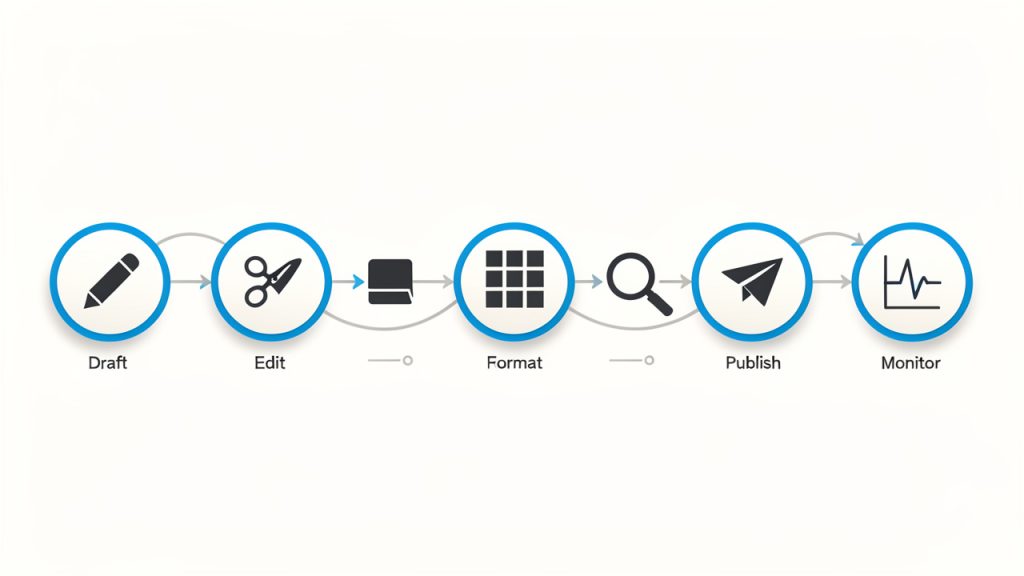
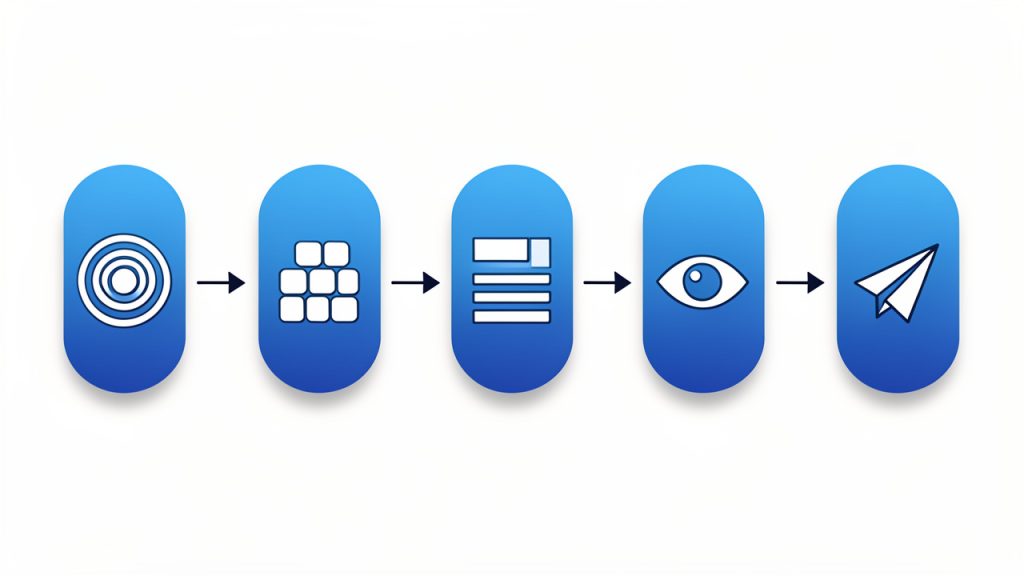
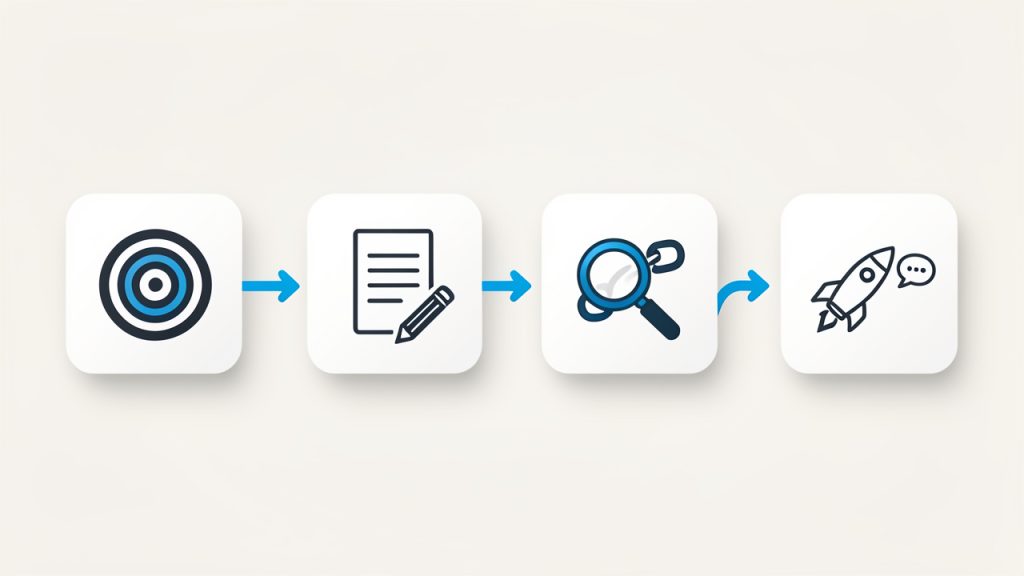
    A clean flowchart showing the simple repeatable workflow: Draft → Edit → Format → Review → Publish → Monitor. Each step is an icon with a one-line note (e.g., "Edit: clarity & tone", "Monitor: engagement signals").

    A practical manual posting process often includes these steps:

    1. Draft the message with one clear goal.
    2. Edit for clarity, tone, and accuracy.
    3. Format it for the platform where it will appear.
    4. Review links, visuals, dates, names, and calls to action.
    5. Publish at the most appropriate time.
    6. Monitor performance and feedback after posting.

    The reason this works is simple. It turns manual posting from a random act into a manageable routine. That is especially important for freelancers and small teams who switch between client work, operations, and marketing throughout the day.

    Use templates without sounding templated

    There is a common misconception that manual posting and templates are opposites. They are not. The smartest workflows combine both. A template can save time on structure while still leaving room for customization and human judgment.

    For instance, you might use a standard format for product updates, service announcements, or content summaries. The template handles recurring elements like title style, image size, metadata fields, or CTA placement. The actual message, however, is still written manually to match the moment.

    This balance matters. Too much structure makes every post feel interchangeable. Too little structure creates delays and inconsistency. The goal is guided flexibility, not rigid repetition.

    Focus on readability and platform fit

    A strong manual post is not just well written, it is well presented. That means short paragraphs, clear headings where appropriate, strong opening lines, and formatting that suits the platform.

    A website article can support more depth. A social post needs speed and punch. A community update should be easy to scan. A marketplace listing should prioritize clarity and trust. The same information may need to be expressed differently in each context.

    This is where manual effort pays off. You can shape the presentation to fit user behavior. People do not read a support update the same way they read a promotional caption. Matching the format to the platform improves engagement and reduces confusion.

    Measure what happens after publishing

    A manual post should not end when you hit publish. One of the most overlooked parts of a manual workflow is the feedback loop. If you never review performance, you are relying on guesswork.

    Look at the signals that matter most for the platform and purpose. On a blog post, that may be time on page, scroll depth, clicks, and conversions. On social media, it may be saves, comments, shares, or link clicks. For client communication, it may simply be response quality or reduced follow-up questions.

    You do not need enterprise analytics to learn from manual posts. Even basic observation can reveal patterns. You may notice that shorter intros perform better, certain headlines get more clicks, or posts published at specific times earn stronger engagement. Over time, those small insights turn manual posting into a smarter system.

    Common Challenges and How to Avoid Them

    One of the most common problems with manual posting is inconsistency. When content is created only when someone remembers or feels inspired, publishing becomes irregular. That hurts audience expectations and weakens overall momentum. The fix is not constant output, it is a realistic cadence you can maintain.

    Another issue is overediting. Because manual posts are hands-on, it is easy to spend too long polishing details that have little impact. Perfectionism can slow down publishing to the point where timely content loses relevance. The better standard is clear, accurate, and useful. If those three are in place, the post is usually ready.

    There is also the risk of fragmented messaging. When multiple people create manual posts without shared guidelines, the brand can start sounding inconsistent. A simple style guide helps. It does not need to be formal or complicated. Even a one-page reference with preferred tone, formatting rules, naming conventions, and CTA style can make a major difference.

    Aspect Manual Posting Automated Posting
    Control High, with direct human oversight Lower, depends on setup
    Speed at scale Slower for large volumes Faster for recurring content
    Personalization Strong, easier to tailor Limited unless deeply configured
    Error prevention Better for context-sensitive checks Better for repetitive consistency
    Best use case Important, nuanced, timely content Routine, repeatable distribution

    For most productivity-focused users, the best answer is not choosing one method exclusively. It is knowing when each one serves the goal.

    When a New Manual Post Makes the Most Sense

    A manual post is especially valuable when the content carries business, reputational, or relational weight. That includes service changes, product launches, client updates, sales announcements, policy clarifications, and original insights intended to build authority.

    It also makes sense when audience context matters. If your readers are responding to a trend, a recent event, or a current concern, a manually created post allows you to speak directly and appropriately. Automated content often lacks that awareness.

    For developers and technical teams, manual posts are useful when publishing release notes, outage explanations, setup instructions, or migration updates. Precision matters in those scenarios. One vague sentence can create support tickets, confusion, or implementation mistakes.

    For freelancers and service businesses, a manual post can function as a relationship tool. A short, carefully written update can remind clients and prospects that there is a real person behind the brand, paying attention and communicating with intention.

    Conclusion

    A new manual post is more than content published by hand. It is a deliberate choice to prioritize accuracy, control, tone, and context. In a world full of automation, that choice can be a competitive advantage when used well.

    The smartest approach is not to publish everything manually or automate everything blindly. It is to build a workflow where manual posting is reserved for the moments that deserve a human touch, then support that process with simple systems that keep it efficient.

    Your next step is practical, choose one type of content you publish regularly, define a clear manual posting workflow for it, and use that process for the next three posts. You will quickly see where manual effort adds value, where templates can save time, and how to create content that feels both efficient and genuinely human.

  • How to Create a New Manual Post That Connects

    How to Create a New Manual Post That Connects

    A new manual post can feel deceptively simple. You sit down, write the update, publish it, and move on. For small business owners, freelancers, developers, and productivity-focused teams, the way you create a post manually often says a lot about your workflow, your quality standards, and how well your message reaches the right people.

    That matters because not every post should be automated, templated, or pushed through a scheduling pipeline without human judgment. Sometimes the best-performing content is the one you craft intentionally, with clear timing, a specific audience in mind, and a message that responds to what is happening right now. A well-planned manual post gives you control, speed, and nuance that automated systems often likely miss.

    What Is a New Manual Post?

    A new manual post is content created and published directly by a person rather than generated, syndicated, or triggered automatically by a system. In practical terms, that usually means opening your platform of choice, writing the post yourself, adding any links or media, reviewing it, and then publishing it when you decide the timing is right.

    For many readers, this sounds obvious. After all, manual posting is how most people start. But once businesses begin using scheduling tools, content calendars, AI drafting assistants, social integrations, or CMS automations, the distinction becomes important. A manually created post is not just a piece of content, it is a deliberate action. It reflects a decision to prioritize context over convenience.

    That distinction is especially relevant for smaller teams. If you run a solo business, manage client work, or juggle multiple channels with limited time, knowing when to use a manually created post can improve both quality and performance. It allows you to respond to customer questions, comment on breaking developments, share a quick insight, or publish a timely announcement without waiting for a larger content workflow to catch up.

    Why manual posting still matters

    Automation is useful, but it is not always smarter. A manual post gives you room to adjust tone, clarify meaning, and react to real conditions. If a promotion changes, a product update needs immediate explanation, or a customer trend suddenly appears, publishing manually lets you address it while the topic is fresh.

    There is also a trust factor. Readers can often tell when content feels overly processed. A manual post tends to sound more human because it usually is more human. That can improve engagement, especially in channels where authenticity carries more weight than polished repetition.

    Where a new manual post is commonly used

    The idea applies across several environments. You might create a new manual post in a blog CMS, a company news section, a social media platform, a forum, a project workspace, or an internal knowledge hub. The core idea stays the same, even if the interface changes.

    For example, a freelancer may manually post a quick portfolio update after finishing a project. A developer tool company might publish a manual release note to clarify a bug fix. A local business could create a timely weekend announcement on social media. In each case, a person creates the post because the moment calls for clarity and control.

    Key Aspects of a New Manual Post

    The biggest strength of a manual post is intentionality. You are not just filling a slot in a publishing calendar. You are choosing what to say, how to say it, and when it should go live. That makes manual posting valuable for content that needs precision, emotion, urgency, or responsiveness.

    Control is another major advantage. When you publish manually, you can review the exact wording, check links, confirm formatting, and decide whether the message fits the current situation. This is especially useful when your audience expects relevance. A message that felt perfect yesterday might be poorly timed today. Manual posting gives you the final checkpoint.

    Quality over volume

    One of the most common mistakes in modern publishing is assuming that more content automatically produces better results. In reality, low-quality volume often creates noise. A strong manually published update can outperform several weak scheduled posts because it feels sharper, more timely, and more useful.

    Smaller teams often have an advantage here. You may not have the budget for a massive content operation, but you can still create thoughtful manual posts that speak directly to your audience. In many cases, that focus is more effective than trying to match the output of larger competitors.

    Speed with judgment

    Manual posting is often associated with slower workflows, but that is only partly true. It can actually be the fastest option when you need to publish immediately and do not want to navigate templates, approvals, or integrations. The key difference is that manual speed includes human judgment.

    That judgment matters. If a customer issue is spreading, an unclear announcement is circulating, or a trend affects your audience right now, a manual post allows you to respond quickly without sounding careless. It is the difference between reacting fast and reacting well.

    Platform context matters

    A new manual post should never be treated as generic content copied everywhere. The same update can work very differently depending on where it appears. A blog post may need structure and detail. A social post may need brevity and stronger emotional clarity. An internal team update may need clear action points and less branding language.

    This is why manual posting is valuable. It helps you shape the message to fit the platform rather than forcing one version everywhere. That usually leads to stronger results because the content feels native to the space where readers encounter it.

    The trade-off between manual and automated publishing

    Manual posting is powerful, but it is not perfect. It requires time, attention, and consistency. If every post is created from scratch with no process behind it, your workflow can become chaotic. Deadlines slip, messaging becomes uneven, and content may depend too heavily on whoever happens to be available.

    The better approach is balance. Use automation for repeatable, low-risk publishing tasks. Use manual posts for content that benefits from timeliness, sensitivity, personality, or strategic precision. This creates a system that is efficient without becoming robotic.

    A clean 3-column comparison graphic showing 'Manual posting', 'Scheduled posting', and 'Automated posting' with one-line bullets under each (best for / strength / limitation). Use simple icons for each column (hand/clock/gear) and a subtle header matching the blog style.

    Approach Best For Strength Limitation
    Manual posting Timely updates, announcements, nuanced communication High control and human judgment Requires more hands-on effort
    Scheduled posting Planned campaigns, evergreen content, recurring updates Efficient and consistent Less adaptable in real time
    Automated posting System-driven updates, syndication, routine publishing Saves time at scale Can feel generic or poorly timed

    How to Get Started With a New Manual Post

    Starting well is less about tools and more about clarity. Before creating a new manual post, decide what the post is trying to accomplish. Are you informing, promoting, clarifying, teaching, or responding? If you cannot answer that in one sentence, the post is probably not focused enough yet.

    Once the goal is clear, think about the audience. A manual post works best when it feels specific. That does not mean writing for only one person, but it does mean understanding what your readers care about in the moment. A productivity-minded audience may want quick, useful takeaways. A client audience may want reassurance and professionalism. A developer audience may want direct language and practical detail.

    Start with a simple posting framework

    You do not need a complicated process to create a strong manual post. A lightweight framework is usually enough:

    A simple left-to-right flow diagram of the lightweight posting framework: Define purpose → Choose platform → Write core message → Review for clarity & timing → Publish & monitor responses. Each step as a rounded box with a small icon and arrows between them.

    1. Define the purpose
    2. Choose the platform
    3. Write the core message
    4. Review for clarity and timing
    5. Publish and monitor responses

    This works because it reduces friction without sacrificing quality. You are not building an entire campaign. You are making one clear communication decision and executing it well.

    Write for clarity first

    Many manual posts fail because the writer tries to sound impressive instead of useful. Clear language wins. Readers should understand the point of the post almost immediately. That is true whether you are announcing a service update, sharing a tip, or publishing a short opinion.

    A good rule is to make the first few lines carry the main value. If the post is important, say why. If there is an action readers need to take, say what it is. If the update affects them directly, say how. Clarity creates trust, and trust improves engagement.

    Edit before you publish

    Because manual posts often happen quickly, editing is easy to skip. That is risky. Even a short review can catch weak phrasing, broken links, awkward formatting, or missing context. A post published manually still represents your brand, even if it took only five minutes to create.

    It helps to review the post from the reader’s point of view. Ask whether it is obvious what the post means, why it matters, and what happens next. If any of those answers feel vague, revise before publishing.

    Build a repeatable habit

    If manual posting is always reactive, it can become stressful. The smarter move is to create a habit around it. Keep a list of post ideas, common update formats, and audience questions worth answering. That way, when you need to publish a new manual post, you are not starting from zero.

    This is particularly useful for freelancers and small business owners who wear multiple hats. A little preparation makes manual publishing faster while preserving the flexibility that makes it valuable in the first place.

    Common situations where manual posting works best

    Some publishing moments are especially well suited to manual posts. These usually include:

    • Timely announcements: Changes, launches, limited offers, or urgent updates
    • Direct responses: Clarifications based on customer feedback or current events
    • Personal insights: Founder opinions, lessons learned, or behind-the-scenes commentary
    • Context-sensitive content: Posts that need careful tone and timing

    These are situations where rigid scheduling can actually weaken the message. Manual posting lets you communicate with better awareness of what is happening around the post, not just inside it.

    Conclusion

    A well-crafted manual post is more than a basic publishing task. It is a strategic way to communicate with precision, speed, and human judgment. For businesses and independent professionals who care about relevance and trust, that makes manual posting a practical advantage, not an outdated habit.

    If you want better results from your content, start by treating each new manual post as a chance to be useful, timely, and clear. Build a simple process, stay close to your audience, and publish with intention. That next post does not need to be bigger. It needs to be better.

  • How to Create a New Manual Post

    How to Create a New Manual Post

    When a topic appears simple on the surface, it often hides the biggest source of confusion. That is exactly what happens with a new manual post. People hear the phrase and assume it refers to something obvious, but in practice it can mean different things depending on the workflow, platform, or business context. For small business owners, freelancers, developers, and productivity-focused users, that ambiguity quickly becomes a problem. If you do not define the process clearly, you waste time, duplicate work, and create avoidable errors.

    A well-planned manual post is often the fastest way to publish something with control and precision. It gives you the ability to decide what goes live, when it goes live, and how it appears without relying entirely on automation. That matters when you are handling updates, announcements, content publishing, product entries, or records that require a human eye. A new post created manually is not old-fashioned. In many cases, it is the most reliable option.

    What Is a New Manual Post?

    A visual that shows different types of 'new manual post'—icons for a blog article, product listing, social media update, forum thread, and CMS entry—arranged around a central label 'New Manual Post' to show the concept applies across platforms.

    A new manual post is, at its core, a piece of content or an entry created directly by a person rather than being generated automatically by software, synced from another system, or imported in bulk. The exact format may vary. In one environment, it could mean publishing a new blog post by hand. In another, it might refer to creating a product listing, a social update, a forum thread, or an entry inside a content management system without automation.

    The key idea is intentional human input. A manual post is built step by step, usually with decisions made in real time about title, structure, formatting, metadata, media, and timing. That level of control is valuable because automated tools are efficient, but they are not always accurate, context-aware, or brand-sensitive.

    For a small business, creating a new post manually can be the better choice when the message is nuanced. A product change, policy update, client announcement, or limited-time offer often needs a careful tone. Automation can publish quickly, but speed without judgment is risky. A manual workflow gives you room to review details before anything becomes public.

    This also matters for productivity-minded users. Manual posting is not just about typing things in by hand. It is about maintaining quality at the point of publication. If you think of your content system like a storefront, a manual post is the moment someone arranges the display carefully instead of unloading boxes onto the floor and hoping everything looks right.

    Key Aspects of a New Manual Post

    Control and Accuracy

    The biggest strength of a manually created post is control, you decide the wording, the formatting, the category, and the publishing details. That sounds basic, but it is often the difference between polished communication and something that feels rushed or inconsistent.

    Accuracy improves because a person is actively checking the content while creating it. When businesses depend too heavily on imports or templates, small mistakes can spread fast. A wrong date, broken link, outdated price, or mismatched headline can damage trust. A manual process gives you a checkpoint before publication.

    This is especially useful when the content has legal, financial, operational, or customer-facing importance. In those cases, a new post entered manually works as a quality filter. It may take slightly longer, but it reduces the cost of publishing the wrong thing.

    Flexibility Across Platforms

    One reason the phrase “new manual post” covers many scenarios is that it applies across many tools. Whether you use a website builder, a content management system, a database-backed dashboard, a marketplace portal, or a scheduling platform, the principle is the same. You are creating a fresh entry directly within the system.

    That flexibility makes manual posting relevant even in highly automated environments. Not every update belongs inside a pipeline. Sometimes a one-off item needs special wording, custom tagging, or immediate publication. A manual workflow handles exceptions well because it is designed for human decision-making, not rule-based repetition.

    Developers and technical teams also understand this distinction. Even in systems built around APIs and automation, there are moments when a manual entry is the safest and quickest route. For example, testing a new publishing flow, correcting an edge case, or verifying how a content type appears in production often starts with a manually created post.

    Quality Over Volume

    A manually published post usually favors quality over scale. That is not a limitation. It is a strategic choice. If your goal is to produce hundreds of entries at once, automation will almost always win. But if your goal is to publish something clear, credible, and properly formatted, manual work has real advantages.

    This becomes even more important for independent professionals and small teams. They do not always need more content. They need better content. A manually created post gives them the chance to think about audience intent, structure, readability, and action before hitting publish.

    In that sense, manual posting supports a more disciplined content process. It encourages review, consistency, and purpose. Instead of asking, “How fast can we push this out?” the better question becomes, “Is this ready to represent the business?”

    Human Judgment and Context

    Automation works best when the rules are stable. Manual posting works best when context matters. That distinction is worth understanding because many publishing mistakes happen when businesses use the wrong method for the wrong type of content.

    A human can notice tone, timing, and nuance in a way software often cannot. For instance, a promotional message may need softer wording during a sensitive news cycle. A product update may require clarification because customers could misinterpret a feature change. A service notice may need urgency without causing alarm. Those are judgment calls.

    A manually created post gives you space for that judgment. It turns publishing into an active editorial decision rather than a background process. That alone can improve both brand perception and internal confidence.

    How to Get Started With a New Manual Post

    A simple workflow diagram that shows the recommended manual-post process: 'Define purpose' → 'Gather inputs (title, message, media, category, approvals)' → 'Build for readability (headings, short paragraphs, CTA)' → 'Review' → 'Publish'.

    Start With Purpose, Not the Form

    Many people begin by opening the editor and filling in fields. That is understandable, but it leads to weak posts because the structure appears before the message. A better approach is to define the purpose first. Ask what the post needs to achieve. Is it informing, selling, updating, clarifying, documenting, or prompting action?

    Once the purpose is clear, the rest of the post becomes easier to shape. The title can be more specific. The body can stay focused. The call to action can match the reader’s next move. Without that clarity, even a manually created post can feel scattered.

    This step matters whether you are publishing a blog article, a shop listing, a knowledge base entry, or a platform update. The format may differ, but the principle is constant. A strong post starts with clear intent.

    Gather the Right Inputs Before Publishing

    Manual posting becomes inefficient when people build the content while searching for missing details. That is why preparation matters. Before creating a new post manually, make sure you have the essential inputs ready.

    A short checklist helps:

    • Title or working headline: A clear label you can refine.
    • Core message or objective: The single idea the post must convey.
    • Relevant links, files, or media: Images, downloads, or reference URLs.
    • Category, tags, or placement: Where the post belongs in your system.
    • Review notes or approval status: Any quick confirmations needed before publishing.

    This does not need to become a bureaucratic process. The point is to reduce interruptions. When all inputs are prepared, the act of posting becomes smoother and more accurate.

    For freelancers and solo operators, this step also protects focus. Constantly switching between tabs, assets, and draft notes is mentally expensive. A prepared manual post can be published in minutes. An unprepared one can consume an hour.

    Build the Post for Readability

    A new post should not just exist. It should be easy to scan, understand, and act on. That means strong headings, concise paragraphs, and logical flow. Readers rarely move through digital content in a perfectly linear way. They scan first, judge relevance second, and commit attention only if the content feels worth their time.

    That is why structure matters so much. A manual post gives you the chance to make better editorial choices. You can simplify the headline, tighten the opening, clarify the middle, and make the next step obvious. This is especially useful for businesses that publish information customers actually need, such as pricing updates, service notices, tutorials, FAQs, or announcements.

    Good readability is also a productivity gain. When a post is clearer, it generates fewer support questions, fewer misunderstandings, and fewer internal corrections. One carefully built post can save hours of follow-up.

    Review Before You Publish

    The manual nature of the post is not just about creation. It is also about review. Before publishing, check whether the post is accurate, complete, and aligned with its purpose. Look closely at the title, links, formatting, dates, and any visible calls to action.

    A practical way to think about this is to separate writing from checking. First create the content. Then review it as if you were the reader. This small shift changes what you notice. Errors that felt invisible during writing often become obvious during review.

    If multiple people are involved, even a lightweight approval process helps. One person can draft, another can confirm details. For small teams, that balance preserves speed without sacrificing quality.

    Choose Manual Posting When It Actually Makes Sense

    Not every entry should be manual. Some should absolutely be automated, scheduled, or imported. The smart approach is not to treat manual posting as universally better, but as better for specific situations.

    Manual posting is best for important updates, one-off content, and quality-sensitive entries where control and context awareness are priorities. Automated posting shines for repetitive tasks, scheduled campaigns, and large-volume publishing where speed and consistency matter. Bulk import works for large catalogs or archives, and template-based posting helps with recurring formats that need small edits.

    For small business owners and independent professionals, this often means using a hybrid workflow. Routine items can be templated or automated. High-visibility or sensitive content can be posted manually. That balance keeps operations efficient while protecting quality where it matters most.

    Conclusion

    A carefully created manual post is more than a simple entry made by hand. It is a deliberate publishing choice that gives you control, accuracy, flexibility, and editorial judgment. In a world full of automation, those strengths still matter, and in many cases, they matter more than ever.

    A practical next step is to review your current workflow and identify which kinds of posts truly benefit from human oversight. Then create a simple manual posting process for those cases. When the content is important, visible, or easy to get wrong, a careful manual post is not extra work. It is smart work.

    A well-planned manual post is often the fastest way to publish something with control and precision. It gives you the ability to decide what goes live, when it goes live, and how it appears.

  • How to Create a New Manual Post

    How to Create a New Manual Post

    Publishing online should be simple, but in practice it often feels cluttered. Between automation tools, scheduling platforms, content systems, and social feeds, many people lose sight of one basic question: what exactly are you posting, where, and why? That is where the idea of a new manual post becomes useful.

    For small business owners, freelancers, developers, and productivity-focused users, manual posting is not outdated. In many cases, it is the most reliable way to stay accurate, timely, and intentional. A manually created post gives you direct control over wording, formatting, timing, and context, which matters when a message needs to feel human instead of mass-produced.

    What Is a New Manual Post?

    A new manual post is a piece of content you create and publish directly, without relying on automation, duplication rules, or scheduled reposting systems. It can be a blog update, a community post, a social media entry, a product announcement, or even an internal team update. The defining feature is simple, a person actively writes and publishes it with purpose.

    That distinction matters more than it may seem. Automated systems are excellent for efficiency, but they are often blunt instruments. They can repeat old messages, miss changes in context, or publish wording that no longer fits the moment. A manually created post allows you to respond to what is happening now, with language that reflects your current goals and audience expectations.

    For a small business, this might mean posting a same-day update about adjusted opening hours. For a freelancer, it could mean sharing a newly completed project with a tailored explanation. For a developer, it may involve publishing release notes with precise wording. In each case, the manual approach reduces the risk of disconnect between message and reality.

    Split-screen comparison titled "Manual vs Automated Posting": left side shows a person at a laptop writing a tailored message with a speech-bubble preview, checkmarks for 'tone', 'context', 'accuracy'; right side shows an automated pipeline/robot pushing identical posts to multiple platforms with repeating content cards and small error icons (broken link, wrong date) to imply bluntness and risk. Use clear labels "Manual" and "Automated" and a small caption: "Intentional vs. blunt".

    Why Manual Posting Still Matters

    There is also a credibility factor. Readers can often sense when content has been sent through a system rather than written with care. A manually published post tends to feel more immediate and authentic, especially when it addresses a real situation, answers a current question, or reflects a timely update.

    A manually published post also gives you room to review tone, verify links, correct formatting, and avoid the common mistakes that happen when content is pushed out automatically. This does not mean automation is bad. It means manual posting remains important where accuracy, nuance, and timing are critical. The best content workflows usually combine both, using automation for repetitive tasks and manual posts for moments that need judgment.

    Key Aspects of a New Manual Post

    Understanding a manually created post starts with understanding what makes it effective. It is not enough to publish something by hand. The value comes from how the post is planned, written, and delivered.

    Control Over Message Quality

    One of the biggest strengths of a manual post is editorial control. You decide what stays, what goes, and how the message is framed. That matters when brand voice is important or when a careless phrase could confuse readers.

    This is especially useful for businesses and solo professionals who want to sound consistent and trustworthy. Instead of using a recycled template, you can shape the post around the exact situation. That leads to stronger communication and fewer misunderstandings.

    Better Context and Relevance

    A manually created post is usually more context-aware. It reflects current events, audience mood, product changes, or business priorities at the time of publishing. That context improves relevance, and relevance is what makes content feel timely rather than generic.

    Think of it like writing a note to a customer instead of sending a canned autoresponder. The manual version can acknowledge what has changed, answer the likely question, and guide the reader more clearly. Even when the information is simple, the extra relevance makes the content more useful.

    Reduced Risk of Publishing Errors

    Automation can save time, but it can also repeat old mistakes at scale. A broken link, outdated date, wrong image, or mismatched caption becomes much harder to manage when the system publishes it everywhere. Creating a manual post introduces a review step that helps catch those issues before they go live.

    That review step is not glamorous, but it is valuable. It is often the difference between a polished announcement and a post that creates extra support requests. For busy teams and independent professionals alike, preventing avoidable errors is a meaningful productivity gain.

    Stronger Audience Trust

    Trust is built through consistency and clarity. When readers see that your posts are current, specific, and human, they are more likely to believe the rest of what you publish. A manually created post can contribute to that trust because it feels deliberate.

    This is particularly important in customer-facing communication. Updates about pricing, features, availability, deadlines, or service interruptions should not feel robotic. They should feel dependable. Manual posting supports that impression because it gives you the chance to communicate with care.

    Flexibility Across Platforms

    A manual post is not tied to one format. It can be adapted to different platforms while still staying true to the original message. That flexibility matters because each channel has its own expectations. A website announcement may need detail, while a social update needs brevity and immediacy.

    Manual posting helps you tailor the same core information for different audiences. Instead of forcing one version everywhere, you can write what fits each platform. That often results in better engagement because the content feels native rather than copied.

    How to Get Started With a New Manual Post

    Starting with manual posting does not require a complicated system. In fact, the most effective approach is often the simplest one. The goal is to build a repeatable habit that gives you control without slowing you down.

    Begin With a Clear Purpose

    Before writing a manual post, decide what it needs to accomplish. Is it informing, promoting, clarifying, updating, or inviting action? A post without a clear purpose tends to become vague, and vague content rarely performs well.

    A useful test is to finish this sentence before you write: After reading this post, I want the audience to know, feel, or do what? That one question keeps the content focused. It also prevents unnecessary filler, which is especially important when time is limited.

    Match the Post to the Platform

    Manual posting works best when the content fits the place where it appears. A post on a company website can carry more detail and structure. A LinkedIn update may need a stronger professional angle. A short-form social post should get to the point quickly while still sounding natural.

    This is where manual creation shines. You can adapt tone, length, and formatting instead of relying on a one-size-fits-all template. That small adjustment often improves readability and response.

    Create a Simple Publishing Workflow

    You do not need an enterprise content operation to publish well. A lightweight workflow is usually enough. For many users, the essentials are:

    1. Define the goal: Know why the post exists.
    2. Draft the message: Write clearly and directly.
    3. Review for accuracy: Check facts, links, and formatting.
    4. Publish and monitor: Watch for questions or needed edits.

    Simple linear workflow graphic with four connected boxes/icons: 1) Define goal (target icon + short phrase), 2) Draft the message (pencil and document), 3) Review for accuracy (magnifying glass over a link/date), 4) Publish & monitor (upload/rocket icon and a small chat/alert icon). Arrows connect each step; emphasize repetition and simplicity.

    What matters is consistency. If every manually published post goes through the same basic process, quality becomes easier to maintain. That is particularly helpful for small teams and solo operators who need reliable output without extra complexity.

    Focus on Readability First

    A manual post should be easy to scan and easy to understand. That means short paragraphs, clear wording, and a logical flow. Readers do not reward complexity for its own sake. They reward clarity.

    If the topic is technical or detailed, break it into sections and use descriptive headings. If the message is brief, keep it tight and direct. In both cases, remove anything that distracts from the main point. Good manual posting is often less about writing more and more about writing better.

    Use Manual Posting Where It Adds the Most Value

    Not every piece of content needs to be written from scratch at the moment of publishing. The smart approach is to use manual posting selectively, where it offers the greatest return. This usually includes announcements, customer updates, timely commentary, product changes, and sensitive communication.

    The comparison below shows where a manually created post tends to be strongest.

    Use Case Manual Post Strength Why It Works
    Time-sensitive updates High You can reflect current conditions accurately
    Product or service announcements High Tone and details can be tailored carefully
    Routine recurring promotions Medium Manual editing helps, but templates may also work
    Evergreen scheduled content Low to Medium Automation is often efficient here
    Customer issue communication Very High Human wording builds clarity and trust

    Avoid Common Mistakes

    Manual posting is valuable, but it is not automatically effective. Some users publish too quickly and skip review. Others overthink every word and slow themselves down. The right balance is intentional, but practical.

    A few simple habits can help you avoid common problems:

    • Check accuracy: Confirm names, dates, prices, and links.
    • Keep tone consistent: Write in a voice that matches your brand or role.
    • Add one clear action: Tell the reader what to do next, if anything.
    • Edit for brevity: Remove sentences that do not serve the purpose.

    These basics sound obvious, but they solve most quality issues. In real-world publishing, success often comes from disciplined fundamentals rather than elaborate strategy.

    Conclusion

    A manually created post is more than just content typed and published by hand. It is a deliberate communication choice. It gives you control over message quality, improves contextual relevance, reduces preventable errors, and helps your audience feel that a real person is paying attention.

    If you want better results from your content, start small. Choose one important update this week and publish it manually with care. Focus on purpose, clarity, and accuracy. That single habit can improve not only how your posts look, but also how your business, brand, or work is understood.

  • Free Productivity Tools That Actually Save Time

    Free Productivity Tools That Actually Save Time

    Time is expensive, but most people do not lose it in dramatic ways. They lose it in tiny fragments, a few minutes spent searching for a file, another ten switching between tabs, another half hour trying to remember what should happen next. That is why free productivity tools matter. The right ones do not just save money, they reduce friction, protect focus, and make work feel lighter.

    A visual metaphor for fragmented time: a clock face broken into many small pieces or lots of tiny clock icons scattered, each labeled with brief distractions (e.g., 'searching for a file', 'tab switching', 'remembering next step'), conveying how minutes add up into lost time.

    For small business owners, freelancers, developers, and anyone trying to do more with limited resources, the appeal is obvious. You want software that is easy to adopt, flexible enough to support real work, and free enough to test without a procurement process or a long commitment. The challenge is not finding tools. It is finding the right tools, using them well, and avoiding a stack so cluttered that your productivity system becomes another source of stress.

    What are free productivity tools?

    Free productivity tools are apps, platforms, and online services designed to help individuals or teams organize work, manage time, communicate, automate routine tasks, and store information, all without an upfront cost. In practical terms, these tools cover everything from task managers and calendar apps to note-taking systems, cloud storage, writing assistants, collaboration platforms, and automation utilities.

    The word free deserves a closer look. Some tools are truly free with generous features for personal use or small teams. Others operate on a freemium model, which means the core product is available at no cost, while advanced features sit behind a paid plan. That distinction matters because a tool that feels perfect today can become restrictive once your client load grows or your business starts collaborating across a larger team.

    Productivity itself is often misunderstood. It is not about cramming more tasks into the day. It is about using your time, attention, and energy with greater intention. A good free productivity tool supports that goal by making priorities visible, reducing repetitive work, and helping you move from idea to execution with less effort.

    For a freelancer, that might mean a simple project board that keeps client work from slipping through the cracks. For a small business owner, it could be a shared document system that prevents version confusion. For a developer, it may be a lightweight automation or note system that keeps context organized across projects. The category is broad, but the purpose is consistent, better output with less wasted motion.

    Key aspects of free productivity tools

    Usability matters more than feature count

    One of the biggest mistakes people make is choosing tools based on long feature lists rather than real-world usability. A productivity app can be powerful on paper and still fail in daily use if it is cluttered, slow, or hard to understand. In most cases, the best free productivity tools are the ones you can start using in minutes, not the ones that require hours of setup before they become useful.

    That is especially true for solo users and small teams. When you are already managing clients, deadlines, or product work, you do not need another system that demands constant administration. A clean interface, fast search, and sensible defaults often create more value than dozens of advanced options you may never touch.

    Free does not always mean fully free

    There is a practical trade-off behind most free plans. Some tools limit storage. Others cap integrations, user seats, project boards, automation runs, or history length. These limits are not necessarily a problem, but they should be understood early. A tool can still be an excellent choice if its free tier aligns with your actual workflow.

    The smartest approach is to evaluate free tools not by what they hide, but by what they genuinely enable. If a task manager gives you enough projects, reminders, and views to run your week smoothly, then it is doing its job. If a note app lets you capture and retrieve information quickly, that may be all you need. The goal is not to get enterprise software for free. The goal is to get meaningful utility without paying before you are ready.

    Integration can make or break your workflow

    A productivity tool rarely works in isolation. Your calendar connects to meetings, your notes connect to tasks, your files connect to client work, and your communication tools connect to everything. That is why integration is one of the most overlooked aspects of choosing free productivity tools.

    When tools work well together, they reduce duplication. You stop copying deadlines from one place to another. You stop hunting for attachments across email, chat, and cloud folders. Even a basic level of integration can save significant time over a month.

    For developers and technical users, this can extend into APIs, webhooks, and lightweight automations. For non-technical users, it might simply mean choosing tools that offer calendar syncing, browser extensions, or cloud file support. Either way, the underlying principle is the same, less manual transfer means fewer mistakes and more focus.

    Collaboration features are increasingly essential

    Even solo professionals collaborate constantly. You may share drafts with clients, exchange feedback with contractors, or coordinate timelines with partners. That is why many of the best free productivity tools now include commenting, shared workspaces, permission controls, and live editing.

    This shift is important because productivity is no longer just personal. It is operational. A tool that works only for you but creates confusion for everyone around you can become a bottleneck. A free plan that supports lightweight collaboration often delivers more value than a more advanced app designed purely for individual use.

    Security and reliability should not be ignored

    When software is free, people sometimes assume the stakes are lower. In reality, if a tool stores client notes, financial drafts, passwords, project plans, or business files, reliability matters a great deal. Look for tools with strong reputations, regular updates, transparent privacy policies, and export options.

    The ability to export your data is especially important. Free tools are useful, but lock-in is not. If your needs change, you should be able to move your notes, tasks, or files without rebuilding everything from scratch. Portability is a quiet feature, but it becomes critical the moment a free plan no longer fits.

    Different categories solve different bottlenecks

    It helps to think of free productivity tools by the problem they solve, not just by their app category. Some reduce cognitive load by giving you a trusted place to capture tasks and ideas. Others reduce administrative work through scheduling, templates, and automation. Some improve execution by keeping projects visible. Others improve communication by centralizing conversations and documents.

    A simple comparison makes this easier to evaluate:

    Category What It Helps With Best For Common Free Plan Limits
    Task Management Tracking to-dos, deadlines, priorities Freelancers, small teams, personal planning Limited projects, automations, or team seats
    Note-Taking Capturing ideas, meeting notes, documentation Writers, developers, consultants Storage caps, restricted collaboration
    Calendar and Scheduling Time blocking, appointments, meeting coordination Service businesses, consultants, remote workers Booking limits, branding, fewer integrations
    Cloud Storage File access, sharing, backup Small businesses, distributed teams Limited storage space
    Communication Tools Messaging, quick coordination, updates Remote teams, client-facing businesses Message history limits, user caps
    Automation Tools Repetitive task reduction, workflow triggers Power users, developers, operations-focused teams Limited runs, fewer app connections

    This is why no single tool can solve productivity by itself. If your bottleneck is poor planning, a note-taking app will not fix it. If your bottleneck is repetitive admin, a calendar app alone will not help much. Good tool selection starts with honest diagnosis.

    How to get started with free productivity tools

    Start with your biggest source of friction

    The best way to adopt free productivity tools is to avoid building a full system all at once. Instead, begin with the part of your work that feels most consistently frustrating. That might be missed deadlines, scattered notes, scheduling chaos, or the feeling that important tasks are living in five different places.

    When you identify that friction clearly, tool selection becomes simpler. You are no longer asking, “What is the best productivity app?” You are asking, “What tool can reduce this specific problem?” That question produces better decisions and faster results.

    For example, if you repeatedly forget follow-ups, choose a task manager with reminders before adding anything else. If meetings consume too much time, adopt a free scheduling tool. If project materials are scattered, implement a shared cloud folder and a simple naming convention. Productivity improves fastest when the solution matches the constraint.

    Keep your first setup intentionally small

    Many people sabotage tool adoption by overbuilding from day one. They create elaborate workspaces, too many tags, deeply nested folders, and complicated rules they cannot maintain. A better approach is to create a minimal structure that supports immediate use.

    A practical starter setup usually includes just a few essentials:

    1. One task hub for what needs to happen next.
    2. One note space for ideas, reference material, and meeting notes.
    3. One calendar for deadlines, appointments, and focused work blocks.
    4. One file location for documents you need to find quickly.

    This is enough to create order without adding complexity. Once the system proves useful, you can refine it gradually. That sequence matters. Stable habits should come before advanced customization.

    Evaluate tools by behavior, not branding

    A tool may be popular and still be wrong for your work style. Some people think visually and prefer boards. Others want simple lists. Some need collaborative editing. Others need offline access and strong search. The only way to judge a tool properly is to use it for actual work over several days.

    Pay attention to your own behavior. Are you returning to the tool naturally, or avoiding it? Does it reduce mental clutter, or add another layer of maintenance? Can you find what you saved last week? Do you trust it enough to stop keeping backup notes in three other places? These questions reveal more than product marketing ever will.

    A short evaluation framework can help:

    Evaluation Factor What to Ask
    Ease of Use Can I understand the interface without training?
    Daily Fit Does this match how I naturally plan and work?
    Scalability Will the free version still work a month from now?
    Collaboration Can clients, teammates, or partners use it easily?
    Portability Can I export data if I need to switch later?

    This kind of review keeps you grounded. It shifts the decision from novelty to usefulness.

    Build habits around the tool, not dependence on it

    A tool helps only when it supports a repeatable habit. A task manager, for instance, becomes valuable when you check it at a consistent time, capture tasks immediately, and review priorities before work starts. Without those behaviors, even excellent software produces weak outcomes.

    That is why getting started with free productivity tools should include a routine. Spend a few minutes each morning reviewing priorities. End the day by clearing inboxes, updating task status, and scheduling the next important action. Keep it short and sustainable. Consistency beats sophistication.

    The most productive users often have surprisingly simple systems. Their edge comes from trust. They know where tasks go. They know where notes live. They know how to recover context quickly. Free tools can absolutely support this level of clarity, as long as the workflow remains disciplined.

    Avoid the trap of tool collecting

    There is a hidden cost to free software: because it is easy to try, it is also easy to accumulate. You install one app for notes, another for tasks, another for bookmarks, another for documents, and soon your system is fragmented. This feels productive at first because setup creates the illusion of progress. But too many tools create decision fatigue and information loss.

    A useful rule is to add a new tool only when it replaces confusion or manual work. If it does not clearly solve a problem, it is probably a distraction. Fewer tools, used consistently, almost always outperform a bloated stack full of overlapping functions.

    Think in workflows, not apps

    The most effective way to use free productivity tools is to see them as part of a workflow. A lead comes in, gets added to your notes or CRM. A task is created. A meeting is scheduled. Documents are stored in one place. Follow-up happens on a defined date. Each tool supports one stage of movement.

    This mindset is especially valuable for small businesses and freelancers. When your process is clear, tools become interchangeable parts rather than sources of dependency. You can test a free tool confidently because you understand what job it is supposed to perform. That makes upgrades, replacements, and simplification much easier over time.

    A clear workflow diagram showing four connected boxes/icons: Tasks → Notes → Calendar → File Storage, with arrows indicating flow between them and small labels like 'create', 'schedule', 'store', 'reference' to show how the tools interact in a simple loop.

    Conclusion

    Free productivity tools are not just budget-friendly alternatives. When chosen carefully, they are powerful systems for reducing friction, improving visibility, and helping work move forward with less effort. The key is not using the most tools. It is using the right ones, in a way that supports your real workflow.

    Start with one bottleneck, choose one or two tools that solve it well, and build simple habits around them. Once your system feels trustworthy, expand only where needed. That approach keeps your stack lean, your processes clear, and your productivity grounded in results rather than software experimentation.