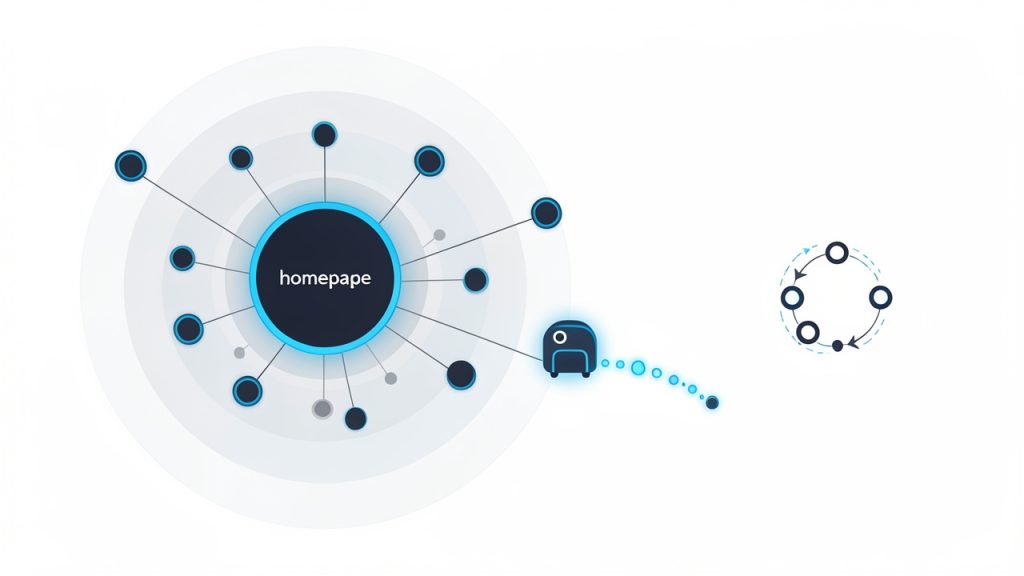
A website can look polished, load decently on your laptop, and still quietly lose traffic every week. That’s what makes SEO problems so expensive. Broken links, missing metadata, weak internal linking, slow mobile pages, crawl issues, and duplicate content often stay invisible until rankings drop or leads dry up.
This is where SEO audit tools earn their place. They help you inspect your site the way a search engine might, surfacing technical errors, on-page weaknesses, and missed opportunities before they become bigger business problems. For small business owners, freelancers, developers, and efficiency-focused teams, the right audit tool can save hours of guesswork and turn SEO into a repeatable process instead of a vague marketing chore.
What Are SEO Audit Tools?
SEO audit tools are platforms or utilities that analyze a website’s search performance and technical health. Their job is to identify issues that may prevent pages from ranking well, being crawled correctly, or delivering a good user experience. Think of them as a diagnostic system for your website.
A strong audit tool does more than point out surface-level errors. It connects technical findings to practical outcomes. If a page loads slowly, the tool should help you understand whether large images, render-blocking scripts, or server response time are to blame. If a page is missing a title tag, the tool should show why that matters and where to fix it.
For many users, the appeal is simple. Manual SEO reviews are time-consuming and easy to miss things in. A good auditing tool scans hundreds or thousands of pages faster than any human could, then organizes the findings into categories you can act on. That matters whether you run a five-page local business site or a large ecommerce store with constantly changing inventory.
What These Tools Usually Check
Most website audit tools for SEO focus on several core areas. The first is technical SEO, which includes crawlability, indexability, site speed, HTTPS issues, redirects, canonicals, XML sitemaps, and mobile usability. If search engines cannot access or interpret your pages correctly, your content will struggle no matter how good it is.
The second area is on-page SEO. This includes title tags, meta descriptions, heading structure, image alt text, keyword usage, duplicate content, thin pages, and internal linking. These factors help search engines understand page relevance and help users navigate your content.
The third area is site quality and performance. Some tools review page speed, Core Web Vitals, structured data, broken links, and user-facing issues that affect trust and usability. Others extend into backlinks, competitor analysis, and keyword tracking, giving you a more complete SEO workflow in one place.
Why Audit Tools Matter for Smaller Teams
If you’re a solo freelancer or small business owner, time is usually the real bottleneck. You may not have an in-house SEO specialist, developer, content strategist, and analyst all working together. An audit tool reduces that complexity by flagging what needs attention first.
For developers, these tools are useful because they translate SEO into concrete fixes. Instead of hearing that a site “is not optimized,” you get a list of redirect chains, missing schema, blocked resources, oversized images, and crawl-depth issues. That level of specificity makes SEO much easier to prioritize alongside other technical work.
Key Aspects of SEO Audit Tools
Not all SEO audit software is equally useful. Some tools produce long reports filled with warnings that do not matter much. Others do a better job of separating critical issues from minor improvements. Knowing what to look for will help you choose a tool that supports decisions instead of creating noise.
Crawl Depth and Site Discovery
At the heart of most auditing platforms is a crawler. This crawler moves through your website the way a bot would, following links and collecting data about each page. The quality of this crawl matters because poor crawling leads to incomplete audits.
A useful crawler should reveal orphan pages, deep pages buried too far from the homepage, redirect loops, and broken internal links. These problems affect both discoverability and user navigation. If an important sales page is four or five clicks deep with weak internal links, that page may be technically live but strategically hidden.
For larger sites, crawl controls become especially important. The best tools let you set limits, include or exclude folders, and inspect JavaScript-rendered content where needed. That matters for modern websites built with dynamic frameworks, where a simple HTML crawl may miss key issues.
Technical SEO Diagnostics
Technical analysis is often the most valuable part of a site audit. This is where tools identify the invisible problems that block rankings without obvious visual signs. A page can look perfectly fine to a visitor while returning the wrong canonical tag, redirecting unnecessarily, or being excluded from indexing.
The strongest tools report on status codes, indexability, robots directives, canonical conflicts, HTTPS consistency, and XML sitemaps. They help answer essential questions. Can search engines reach the page? Should they index it? Does the page point to itself properly? Are there conflicting signals?
Speed and performance are often included here as well. A good audit should help connect performance issues to causes, not just scores. A score alone is interesting, but knowing that your slow pages come from uncompressed images, excessive JavaScript, or poor caching is what makes the report actionable.
On-Page Optimization Insights
A complete SEO review goes beyond infrastructure. It also evaluates how well pages communicate relevance. On-page checks help identify missing or duplicated title tags, weak headings, overly short or thin content, missing alt attributes, and metadata gaps.
This part is especially useful for content-heavy sites. If you manage a blog, service pages, product pages, or landing pages, an audit tool can quickly expose patterns. Maybe all your category pages have duplicate titles. Maybe your local pages use nearly identical copy. Maybe your strongest content is not linked from any commercial page. These are the kinds of issues that often hold websites back.
The best tools also avoid treating SEO like a checklist divorced from context. For example, a short page is not automatically bad. A branded contact page does not need 1,500 words. Smart tools help you interpret findings rather than blindly chasing “perfect” scores.
Reporting and Prioritization
An audit is only useful if you can turn it into action. This is where reporting quality matters. Some platforms dump hundreds of alerts into one dashboard, which can feel productive but quickly becomes overwhelming. Others group findings by severity and business impact.
Look for tools that separate critical errors, warnings, and opportunities. A noindex tag on a revenue-generating page deserves immediate attention. A missing meta description on a privacy policy page probably does not. Prioritization helps prevent wasted effort.
Clear reporting also improves collaboration. If you work with clients, team members, or developers, a readable report can reduce back-and-forth and help everyone understand what matters now versus later.
Usability and Learning Curve
For non-specialists, the interface matters almost as much as the features. A powerful platform that requires advanced configuration and technical interpretation may not be the right fit for a local business owner who just wants to catch major issues once a month.
On the other hand, developers and SEO professionals may prefer deeper controls, custom crawling rules, API access, or raw data exports. The right choice depends on how hands-on you want to be. A simple tool can be ideal if it gets used consistently. A sophisticated one is valuable if you have the capacity to interpret it properly.
Free vs Paid SEO Audit Tools
Free tools can be surprisingly useful, especially for small sites and first-time audits. They often cover basic page analysis, mobile friendliness, speed insights, indexing checks, and metadata reviews. For many users, that is enough to spot the biggest problems early.
Paid tools become more valuable when you need larger crawls, historical tracking, competitor data, advanced issue segmentation, white-label reports, or collaborative workflows. They save time at scale. If your site changes often, or if SEO directly supports lead generation and sales, that time savings can easily justify the cost.
The smartest approach is usually practical, not ideological. Start with what solves your current problem. If a free tool gives you clear answers, use it. If your workflow outgrows it, upgrade for better depth and automation.
Comparing Common Types of SEO Audit Tools
Different tools tend to specialize in different parts of the audit process. Some are better for technical crawling, others for performance testing, and others for broader SEO management.
Tool Type
Best For
Strengths
Limitations
Browser-based page audit tools
Quick checks on individual pages
Fast, easy to use, beginner-friendly
Limited sitewide visibility
Full-site crawlers
Technical SEO and large-scale diagnostics
Deep crawl data, issue detection, exports
Can feel complex for beginners
Performance testing tools
Speed and Core Web Vitals analysis
Detailed load metrics and optimization clues
Usually less comprehensive for on-page SEO
All-in-one SEO platforms
Ongoing SEO management
Combines audits, keywords, backlinks, reporting
Often more expensive
CMS-integrated SEO tools
Day-to-day content optimization
Convenient inside publishing workflow
Usually less powerful for technical audits
This comparison matters because many users expect one tool to do everything perfectly. In practice, the best results often come from combining a site crawler with a speed tool and a simple indexing or search-console review.
How to Get Started With SEO Audit Tools
Starting well is more important than starting with the most advanced software. Many people waste time chasing dozens of minor suggestions before fixing the few issues that actually affect visibility. A focused first audit will give you far better results.
Begin With a Clear Goal
Before running any website audit tool for SEO, decide what you are trying to learn. Are you investigating a rankings drop? Preparing a site launch? Looking for technical problems on a client site? Trying to improve local search visibility? Your goal will shape which issues deserve attention.
If your traffic dropped suddenly, focus on indexing, crawlability, redirects, and recent site changes. If your problem is poor conversions from existing traffic, usability and page performance may matter more. If you are launching a new site, start with fundamentals like metadata, structure, mobile experience, and internal links.
Without a goal, audit reports can become distracting. You end up fixing harmless warnings while missing the one issue that actually affects growth.
Run a Baseline Audit
Your first audit should create a benchmark. This gives you a snapshot of current site health so you can measure improvement over time. Even a simple audit should tell you how many pages were crawled, how many errors were found, and which issues are most serious.
A practical starting workflow looks like this:
Crawl the site with a reliable audit tool.
Review critical issues first, especially indexing, redirects, and broken pages.
Check performance metrics on important landing pages.
Inspect on-page elements like titles, headings, and duplicate metadata.
Document fixes in order of business impact.
That sequence works because it mirrors how search visibility usually breaks. Accessibility comes first, then performance, then optimization.
Focus on High-Impact Pages
Not every page deserves equal attention. A common mistake is treating a minor archive page the same way as a homepage, top service page, or major product category. In real-world SEO, some pages matter far more than others.
Start with pages that drive leads, revenue, or strategic visibility. If those pages have crawl issues, poor speed, weak titles, or thin supporting links, fixing them can produce meaningful results faster than doing broad cleanup on low-value URLs.
This approach is especially useful for small teams. It keeps the workload realistic and ties SEO work directly to business outcomes.
Translate Findings Into Tasks
An audit report becomes valuable only when it turns into action. That means converting issues into specific tasks for yourself, your developer, your writer, or your marketing team. “Improve technical SEO” is not a task. “Fix redirect chain on pricing page” is a task.
When reviewing your audit, categorize items by effort and impact. Some fixes are quick wins, like missing title tags or broken internal links. Others require development time, like improving server response or resolving rendering problems. Knowing the difference helps you build momentum without losing sight of bigger structural work.
Recheck After Every Major Change
SEO audits are not one-time events. Websites change constantly. New plugins get installed, pages are deleted, templates are updated, scripts are added, and internal links shift over time. Each change can create new problems.
That is why routine audits matter. Monthly checks are often enough for smaller sites, while larger or more active sites may benefit from weekly monitoring. At minimum, run a fresh audit after redesigns, migrations, CMS updates, or major content changes.
Common Mistakes When Using SEO Audit Tools
One of the biggest mistakes is assuming the tool is always right. Audit platforms are helpful, but they are not infallible. They rely on rules, thresholds, and models that may not fit every page or business context. A warning is a signal to investigate, not a command to obey blindly.
Another common issue is chasing a perfect score. SEO does not work like a school exam. A site with an 80 out of 100 can outperform a site with a 95 if the first one better matches search intent, earns stronger backlinks, and serves users more effectively. Audit scores are useful for direction, but they should not replace judgment.
It is also easy to over-focus on technical details while ignoring content quality. A technically clean site with weak messaging, poor search intent alignment, or unhelpful pages will still struggle. Good SEO comes from the combination of technical accessibility, relevant content, and solid user experience.
Choosing the Right SEO Audit Tool for Your Needs
The best audit tool is the one you will actually use consistently. For a solo consultant, that may be a lightweight platform with fast scans and simple reports. For a developer or agency, it may be a deeper crawler with exports, integrations, and more technical controls.
If ease of use is your top priority, look for a clean dashboard, plain-language explanations, and clear next steps. If flexibility matters more, prioritize crawl settings, segmentation, JavaScript rendering, and robust reporting. If budget is tight, begin with free tools that cover site health, speed, and indexing, then expand only when your needs justify it.
A useful way to evaluate any tool is to ask one question: Does this help me make better decisions faster? If the answer is yes, it is a good fit. If it mostly generates clutter, it is not.
Conclusion
SEO audit tools help transform website optimization from guesswork into a structured process. They reveal technical issues, highlight on-page weaknesses, and give small teams a practical way to maintain search visibility without inspecting every page manually.
If you are getting started, begin with a simple baseline audit and focus on the pages that matter most to your business. Fix critical crawl and indexing issues first, then move into speed, metadata, and content improvements. The next step is straightforward: choose one reliable tool, run an audit this week, and turn the top findings into a short action plan you can actually complete.
Broken links, missing metadata, weak internal linking, slow mobile pages, crawl issues, and duplicate content often stay invisible until rankings drop or leads dry up.
For further reading on how search engines access sites, see Google’s overview of crawlability.
If your website has great content but nobody links to it, talks about it, or trusts it, rankings usually stall. That is the frustrating truth behind off-page SEO. You can polish titles, improve site speed, and publish strong articles, yet still struggle to move because search engines also look beyond your website to judge whether your brand deserves visibility.
For a deeper walkthrough, see Off-Page SEO: A Complete Guide to Building Authority and Backlinks.
This is where off-page SEO becomes a growth lever instead of a mystery. Done well, it helps you earn authority, attract qualified referral traffic, and build a reputation that compounds over time. Done poorly, it turns into wasted outreach, low-value links, or even penalties.
This guide explains how off-page SEO actually works, what signals matter most, how to audit your current authority profile, and which link-building tactics are worth your time. It also includes practical templates, case studies, KPIs, and a 30/60/90 day action plan you can use immediately.
What Is Off-Page SEO and Why It Matters
Definition and how it differs from on-page and technical SEO
Off-page SEO refers to optimization activities that happen outside your website but influence how search engines evaluate your brand, content, and authority. The clearest example is backlinks, which are links from other websites pointing to yours. But off-page SEO goes beyond links alone. It also includes brand mentions, citations, PR coverage, community involvement, local listings, and other trust-building signals.
A simple way to understand it is to think of your website as a candidate applying for a job. On-page SEO is your resume, meaning the quality of your content, keyword targeting, internal links, and page structure. Technical SEO is whether your resume is readable and accessible, including crawlability, site speed, mobile usability, and indexing. Off-page SEO is what other people say about you, including references, recommendations, and reputation in your field.
That distinction matters because search engines are trying to rank not just pages, but credible sources. A site can say it is the best, and off-page signals help Google and other search engines see whether the rest of the web agrees.
Core goals, authority, trust, relevance, and referral traffic
The main purpose of off-page SEO is to strengthen four signals: authority, trust, relevance, and visibility beyond search. Authority grows when respected websites reference your content. Trust improves when those references come from real businesses, publishers, communities, and experts rather than suspicious networks. Relevance increases when those mentions come from websites closely connected to your industry or audience.
Referral traffic is the fourth benefit, and it is often underrated. A quality backlink is not just a ranking signal. It can send real visitors who are already interested in what you offer. A mention on a niche blog, an industry resource page, or a local news site can drive leads directly, even before rankings improve.
This is why strong off-page SEO has a compounding effect. One good mention can lead to traffic, brand searches, secondary links, and stronger trust signals over time.
How search engines use off-page signals
Search engines have long used links as a way to measure the importance of pages. The original logic behind PageRank was simple: if many pages link to a page, and especially if important pages link to it, that page may be valuable. The web functions a bit like academic publishing. Citations matter, but citations from respected journals matter more.
Modern search ranking systems are far more complex than early PageRank, but the core principle still holds. Search engines evaluate the quality, context, placement, and pattern of links. A single editorial link from a trusted industry publication can be more valuable than dozens of weak directory links.
Google also assesses broader quality concepts often discussed under E-E-A-T, meaning experience, expertise, authoritativeness, and trustworthiness. While E-E-A-T is not a single direct ranking factor in a simplistic sense, off-page signals help support it. If expert publications mention your brand, your founders appear on podcasts, journalists quote your data, and niche communities reference your work, that reinforces your authority.
Key Off-Page SEO Factors: What Actually Impacts Rankings
Backlinks, quality vs. quantity
Backlinks remain the centerpiece of off-page SEO, but quality beats quantity. Many site owners still chase link counts, which leads them toward cheap packages, low-end directories, and irrelevant placements. That usually creates noise instead of authority.
A high-quality backlink typically comes from a site that is trusted, topically related, editorially selective, and capable of sending real traffic. For example, if you run an accounting software company, a link from a respected small business publication is more valuable than ten links from unrelated blogs with thin content.
Low-quality links often share predictable traits. They come from sites built purely to publish sponsored posts, pages with no real readership, random foreign-language domains with no relevance, or networks that link out excessively. These may inflate metrics on paper while adding little real ranking value.
Anchor text, best practices and pitfalls
Anchor text is the clickable text used in a link. It helps search engines understand what the linked page is about, but it can also become a risk when manipulated too aggressively.
Natural anchor text usually includes a mix of branded terms, page titles, generic phrasing, and contextual descriptions. That profile looks organic because it reflects how real people link. If every backlink to your page uses the exact same keyword-rich phrase, it creates an unnatural pattern.
A safe approach is to optimize for variety, not precision. Branded anchors, naked URLs, and partial-match descriptive text generally create a healthier link profile than aggressive exact-match targeting. The goal is to earn links that read naturally in context, not to force anchor text like a spreadsheet exercise.
Referring domain diversity and topical relevance
The number of referring domains often matters more than the raw number of backlinks. If one site links to you twenty times, that can be useful, but twenty different reputable sites linking once each usually sends a stronger authority signal.
Diversity also helps reduce fragility. A site whose authority depends on a tiny cluster of domains has a weaker profile than a site referenced across blogs, publications, directories, communities, podcasts, and local sites. Search engines tend to reward patterns that look naturally earned across the wider web.
Topical relevance sharpens this further. A link from a domain in your niche often carries more meaning than a link from a general site with no clear connection. Relevance tells search engines why that reference exists, not just that it exists.
Brand mentions and unlinked citations
Not every off-page signal is a clickable backlink. Brand mentions and unlinked citations can still support visibility, trust, and discovery. If a publication mentions your business name, product, or founder without linking, that may still contribute to brand awareness and can sometimes lead to future links.
These mentions are especially important for local businesses. Consistent citations across directories, business listings, and maps platforms help validate that your brand is real and established. In local SEO, correct name, address, and phone data remains foundational.
Unlinked mentions also create easy outreach opportunities. If someone has already referenced your business, asking them to add a relevant link is usually warmer and more successful than cold outreach.
Social signals and visibility, what they do and do not do
Social shares are often misunderstood in off-page SEO. They are not usually treated as direct ranking signals in the same way editorial backlinks are. A viral post on social media does not automatically mean your page will rank.
What social visibility does influence is discovery, amplification, and secondary earning potential. More people seeing your content means more chances for journalists, bloggers, creators, and site owners to reference it. Social can also increase brand searches, email signups, and traffic signals that support wider marketing performance.
Think of social media as an amplifier, rather than a substitute for link building. It helps good assets travel further, but the long-term SEO value usually comes from the links, mentions, and citations that follow.
User engagement from external sources
External traffic quality matters more than many SEO discussions admit. If people click through from a link, stay on the page, explore your site, and convert, that is a strong business outcome even if the ranking impact is indirect.
Referral traffic can also help you judge link quality in practical terms. A backlink that sends engaged visitors from a site your audience already trusts is useful on multiple levels. It supports awareness, lead generation, and credibility at once.
This is why off-page SEO should not be measured only through rankings. Strong links are not just algorithmic signals. They are distribution channels.
How to Conduct an Off-Page SEO Audit
Identify your existing backlink profile
An off-page SEO audit starts with visibility into your current link profile. Tools such as Google Search Console, Ahrefs, SEMrush, and Moz can help you export backlink data, referring domains, anchor text, and top linked pages. Search Console is free and should be your baseline. Paid tools provide broader crawls and better competitive analysis.
Record the pages earning the most links, the total number of referring domains, the growth trend over time, and the distribution of links across your site. This often reveals a common pattern. Most sites have a few pages attracting nearly all links while key commercial pages have very little authority support.
That gap matters because it shows where internal linking, content promotion, or new linkable assets may be needed.
Assess link quality, spam score, authority, and relevance
Once you have the data, review links through three lenses: quality, relevance, and risk. Metrics such as Domain Authority, Domain Rating, or Authority Score can be helpful as directional indicators, but they are not ranking factors by themselves. Use them as shortcuts, not final judgments.
A strong link usually checks several boxes at once. The linking page is indexed, has original content, fits your topic, and exists on a site with genuine traffic and editorial standards. The link sits within useful content, not a random footer or page full of outbound links.
Red flags include irrelevant domains, pages clearly built for paid link placements, exact-match anchors repeated excessively, deindexed sites, and suspicious traffic patterns. If a link looks manufactured, it probably is.
Spot harmful links and decide whether disavow is needed
Not every low-quality link requires action. Many websites attract random spam links over time, and Google is generally better than it used to be at ignoring obvious junk. A disavow file should be used carefully, not reflexively.
Disavow becomes worth considering when you see signs of manipulative patterns, prior link-building abuse, or manual action risk. Examples include large volumes of links from private blog networks, spun-content sites, hacked pages, or heavily over-optimized anchor text clusters. If your site has a history of buying links or working with poor-quality vendors, this step becomes more important.
Investigate before acting. Removing or disavowing the wrong links can throw away legitimate equity. The safest approach is to identify clearly harmful patterns, document them, and use disavow only when there is strong evidence it is necessary.
Analyze competitor backlinks and linking opportunities
Competitor backlink analysis is one of the fastest ways to find opportunities with real ranking value. Export the referring domains of two to five competitors that consistently outrank you for priority terms. Then compare which domains link to them but not to you.
This process helps uncover resource pages, guest post targets, journalists, local publications, niche directories, partner networks, and content formats that attract links in your space. It also gives you realism. If top-ranking competitors have earned links from industry associations, software review sites, and regional business media, you can see what the market expects.
A good competitive review does more than identify targets. It shows the type of asset that earns links in your vertical, whether that is research, comparison content, calculators, visual guides, or local stories.
Document brand mentions and linkless citations
Track where your brand is mentioned with and without links. Tools like Google Alerts, Brand24, Mention, Ahrefs Alerts, and manual searches can help. Create a simple sheet with the source, URL, mention type, authority estimate, and whether outreach is needed.
This is particularly useful for service businesses, founders building personal brands, and local companies. Podcasts, event pages, directory listings, and news coverage often generate citations that can later become links or trust assets.
Here is a practical audit table you can use:
Metric
What to Record
Why It Matters
Referring domains
Total count and monthly growth
Strong indicator of authority growth
Top linked pages
URLs attracting most links
Reveals what content earns attention
Anchor text mix
Branded, generic, partial match, exact match
Helps spot over-optimization
Link relevance
Industry fit of linking domains
Improves contextual trust
Spam risk
Suspicious domains or unnatural patterns
Helps prioritize cleanup
Brand mentions
Linked and unlinked citations
Creates easy outreach opportunities
Proven Off-Page Link-Building Strategies
Content-driven outreach, linkable assets and promotion
The most sustainable off-page SEO starts with creating something worth referencing. These are often called linkable assets, and they include original research, statistics roundups, calculators, templates, industry reports, curated resource hubs, and unusually useful guides.
A strong asset solves a real problem or gives people something they can cite. For small businesses, that does not need to mean expensive studies. A local market analysis, pricing benchmark, tool comparison, or checklist can work if it is genuinely useful and well presented.
Promotion matters as much as creation. Many good assets fail because they are published and then ignored. Build a prospect list of journalists, bloggers, newsletter editors, industry communities, and websites that already link to similar resources. Reach out with a clear reason your piece adds value.
Useful subject lines include “New data on [topic]”, “Resource for your [page title]”, or “Thought this would support your article on [topic]”. Keep the message short, contextual, and specific.
Broken link building, process and outreach ideas
Broken link building works because it helps site owners fix a problem while giving you a relevant opportunity. The process is simple in theory. Find broken outbound links on relevant pages, create or identify a suitable replacement on your site, and suggest your resource.
Success depends on fit. If the original dead page was a beginner’s guide and you pitch a product page, it will rarely work. The replacement has to satisfy the same intent.
A good outreach message sounds like a helpful note, not a pitch. Mention the broken link location, explain that you noticed it while reading the page, and suggest your resource if it is useful. The tone should feel like you are doing the site owner a favor first.
Resource page and niche directory outreach
Resource pages still work when they are curated, maintained, and topic-specific. Many industries have pages listing tools, guides, organizations, grants, or local services. If your content genuinely belongs there, outreach can convert well.
Directories are more nuanced. General low-quality directories add little value, but niche directories, local business listings, and industry associations can still be worthwhile. The test is simple. Would a real customer use this listing? If yes, it may be worth pursuing.
For local businesses, citations on trusted local platforms, chambers of commerce, professional bodies, and reputable directories strengthen both visibility and legitimacy.
Guest posting, quality guidelines and safe scaling
Guest posting still works when treated as thought leadership, not mass link placement. The safest version is to contribute useful, original content to relevant publications that have real editorial standards and actual readers.
The problem begins when businesses scale guest posting through thin content, irrelevant sites, repetitive anchor text, and obvious paid placements. That turns a legitimate tactic into a manipulative pattern.
A strong guest post opportunity usually aligns with your expertise, reaches your target audience, and gives you a contextual author bio or in-content mention where appropriate. Quality control matters. Ask whether the site ranks, whether its articles get engagement, and whether its topics align with your field.
Skyscraper technique, research, create, outreach
The skyscraper technique means finding content that already attracts links, creating something demonstrably better, and promoting it to people who linked to the original or cover that topic.
What “better” means is often misunderstood. Longer is not always better. More useful is better. That might mean fresher data, stronger design, more actionable steps, better examples, or a narrower angle that serves a specific audience more clearly.
The outreach angle should focus on improvement, not ego. Show that your resource offers updated or expanded value for their readers. If your asset is genuinely stronger, response rates can be solid, especially in information-heavy niches.
Ego-bait, expert roundups, and interviews
People are more likely to share and link to content they are featured in. That is the logic behind ego-bait and expert roundups. If you publish thoughtful interviews, quote respected voices, or assemble niche-specific expert commentary, those contributors often help amplify the piece.
This works best when the content is selective and high quality. Generic “50 experts share one tip” posts have lost much of their novelty. But a focused interview series, a data-backed roundtable, or a local founder spotlight can still earn links and mentions.
The real value here is relationship building. Over time, these connections can lead to future mentions, collaborations, podcast invites, and editorial links.
Digital PR, earning links through news and stories
Digital PR is one of the strongest off-page SEO tactics because it targets editorial links rather than transactional ones. The idea is to create or package a story that journalists, publishers, and media outlets want to cover.
This could be based on proprietary data, a local trend, a timely reaction to industry news, a campaign, a founder story, or a useful public resource. The strongest PR angles usually combine novelty, relevance, and a clear audience hook.
For example, a payroll company might publish data on overtime trends in small businesses. A local law firm might release a city-specific safety analysis. A design agency might create a visual report on website accessibility among local institutions. These stories can earn high-trust links that are difficult to replicate through standard outreach.
Partnerships, sponsorships, and community involvement
Some of the best off-page SEO opportunities come from real-world relationships. Partnerships with software vendors, local nonprofits, trade associations, schools, event organizers, and community groups often lead to natural mentions and links.
The key is authenticity. Sponsor something you genuinely support. Join organizations that matter in your market. Contribute expertise to events, webinars, or panels. These signals do more than build links. They strengthen your brand footprint in ways search engines can observe across the web.
Advanced Tactics and Newer Opportunities
Leveraging HARO and journalist outreach
Journalist request platforms and direct media outreach can produce some of the highest-value links in SEO. The premise is simple. Reporters need expert commentary or data, and you provide it quickly and credibly.
Speed matters here. So does specificity. Journalists are more likely to use responses that are concise, quotable, and backed by experience or evidence. Generic marketing fluff gets ignored.
Even when a quote does not produce a link, it can still generate brand mentions, authority, and future contact opportunities. Over time, building relationships with a handful of journalists can outperform hundreds of cold link requests.
Podcast appearances and guesting
Podcasts are an underrated off-page SEO channel. A guest appearance can produce links from show notes, brand mentions across syndication platforms, social amplification, and long-term authority through association with respected hosts.
This is especially valuable for consultants, founders, local experts, developers, and niche service providers. Podcast guesting also improves branded search demand because people remember voices and stories more easily than bylines alone.
The SEO value is not just the link. It is the reputational footprint that forms around recurring appearances and expert positioning.
Scholarship links and outreach considerations
Scholarship-based link building has been widely abused, so caution is essential. In some cases, legitimate scholarships tied to real community support can still earn meaningful links from educational institutions and local organizations. But creating a token scholarship solely to chase links is risky and often transparent.
If you consider this route, the initiative should be authentic, clearly funded, and aligned with your mission. Otherwise, the long-term brand trade-off is rarely worth it.
Influencer collaborations and affiliate or brand mentions
Influencer marketing can support off-page SEO when collaborations lead to discoverability, content mentions, reviews, or resource references. The direct SEO value depends on the platform, link format, and whether publishers create indexable content around the collaboration.
For product-led businesses, creator reviews and expert roundups can also generate secondary links when blogs and newsletters cite them. The best collaborations blur the line between PR, content marketing, and SEO in a natural way.
Local citations and Google Business Profile for local off-page SEO
For local businesses, off-page SEO includes more than backlinks. Google Business Profile, consistent local citations, reviews, and local press coverage all strengthen local visibility.
Search engines need confidence that your business is real, established, and geographically relevant. Consistent name, address, and phone details across key directories help provide that trust. Local off-page SEO also benefits from chamber listings, neighborhood publications, community sponsorships, and reviews on relevant platforms.
A small business that ignores citations while chasing national backlinks often misses the easier win.
Earning editorial links from high-authority sites
Editorial links are the gold standard because they are given, not easily bought or engineered. You usually earn them by being notably useful, newsworthy, or credible.
That often means publishing original data, offering expert commentary, creating genuinely helpful tools, or becoming the source people cite when discussing your niche. High-authority links are rarely the result of generic “please link to me” emails alone. They come from earning attention through substance.
Measuring Off-Page SEO Success
Primary KPIs that matter most
The most useful off-page SEO KPIs are referring domains, organic traffic, keyword rankings, and referral traffic. These show whether your authority footprint is growing and whether that growth is translating into visibility and visits.
Referring domains are often the earliest signal. Rankings and traffic usually lag. Referral traffic helps validate that links are not just decorative. If good links produce no visibility, no clicks, and no lift over time, your targeting or asset quality may need work.
For a small business, a practical near-term goal might be gaining 10 to 20 quality referring domains in a quarter, increasing referral traffic from relevant sources, and improving rankings for a tightly defined keyword set. Larger sites will work with broader targets and segmentation.
Secondary KPIs and context signals
Secondary KPIs include metrics like Domain Rating, Domain Authority, link velocity, share of branded anchors, brand mentions, and the number of links to strategic pages rather than just blog content.
These metrics are helpful, but they are supporting indicators, not ultimate outcomes. A rising authority metric means little if revenue-driving pages never improve. The point of measurement is to tie authority growth back to business performance where possible.
How to attribute improvements to off-page work
Attribution is messy because rankings rarely move for one reason alone. Pages improve due to content updates, internal links, technical fixes, SERP changes, seasonality, and off-page gains working together.
The best way to judge off-page impact is to triangulate. Look for timing patterns. Did rankings improve after a page gained several strong new referring domains while on-page conditions stayed relatively stable? Did branded search, impressions, and referral traffic rise alongside new PR coverage? Did competitors with similar content but weaker link growth stall while your page advanced?
You are looking for converging evidence, not courtroom certainty.
Simple monthly reporting template
Here is a practical reporting template for monthly off-page SEO reviews:
KPI
Current Month
Previous Month
Change
Notes
New referring domains
12
7
+5
4 from digital PR, 3 from guest posts
Total referring domains
186
174
+12
Healthy growth trend
Referral traffic
428
301
+127
Industry blog drove highest engagement
Organic traffic to target pages
3,240
2,910
+330
Gains strongest on comparison content
Keywords in top 10
21
17
+4
Two service pages improved
Brand mentions
9
5
+4
Local press and podcast mentions
A monthly cadence is usually enough for most businesses. Weekly reporting creates noise unless you are running a large campaign or responding to a penalty.
Common Off-Page SEO Mistakes to Avoid
Buying links and link networks
Buying links at scale, participating in private blog networks, or using low-quality vendors can create short-term movement and long-term risk. The biggest danger is not just penalties, it is building an authority profile that looks artificial and brittle.
Warning signs include sudden spikes in exact-match anchor text, many links from obviously unrelated sites, or a large number of placements on pages labeled “write for us” with no editorial quality. If Google Search Console reports manual action issues related to unnatural links, take it seriously and investigate immediately.
Recovery usually involves auditing the link profile, removing what you can, documenting cleanup efforts, and disavowing the remainder where appropriate.
Over-optimizing anchor text
Anchor text manipulation is one of the easiest patterns to spot. If too many links use the same commercial phrase, your profile starts to look coordinated rather than earned.
A healthy backlink profile reads like a natural mix of branded references, article titles, generic anchors, and occasional descriptive phrases. If your spreadsheet says otherwise, adjust your acquisition strategy before it becomes a problem.
Focusing on quantity instead of relevance
One relevant link can outperform dozens of weak ones. Businesses often burn budget chasing volume because it looks measurable. But irrelevant links rarely help rankings meaningfully, and they almost never help leads or brand trust.
Relevance also applies to page-level matching. A link to the wrong page is often wasted potential. The closer the linking context aligns with the destination page’s topic and purpose, the more useful the link is likely to be.
Neglecting brand mentions and PR
Some SEO programs become so backlink-obsessed that they ignore brand building. That is a mistake. PR, founder visibility, community participation, and unlinked mentions all create the ecosystem from which stronger links emerge.
Brands that are known tend to attract links more easily than brands that only ask for them.
Reactive disavow without investigation
Panic-disavowing every suspicious-looking link can do more harm than good. Many weak links can simply be ignored by search engines. The key question is whether there is a manipulative pattern or meaningful risk, not whether every link looks beautiful.
Always investigate root causes first. If spammy links are appearing because of a past agency, a hacked site, negative SEO concerns, or old campaigns, solve the underlying issue along with any cleanup.
How to Build a Scalable Off-Page SEO Program
Set objectives and align with business goals
A scalable off-page SEO program starts with clarity. Are you trying to increase local visibility, improve rankings for service pages, support product-led content, drive referral traffic, or establish founder authority? Different goals require different tactics.
A local business may prioritize citations, local media, and partnerships. A SaaS company may prioritize digital PR, data studies, integrations, and guest contributions. A freelancer may get more value from podcast appearances, niche communities, and personal brand mentions.
Create repeatable processes and playbooks
The difference between occasional wins and consistent authority growth is process. Turn each tactic into a repeatable playbook with prospect criteria, qualification rules, outreach angles, follow-up timing, and reporting steps.
That does not mean robotic outreach. It means reducing wasted effort and improving quality control. A playbook keeps your team from reinventing every campaign while still leaving room for personalization.
Effective outreach combines research with respectful persistence. Build prospect lists carefully. Segment by tactic. Personalize the first line based on a real reason for contact. Follow up once or twice if relevant, but do not harass people.
The best outreach often feels less like sales and more like editorial collaboration. You are not begging for links. You are proposing something useful for their audience.
A simple workflow is:
Research qualified prospects by relevance and fit.
Match each prospect with the right asset or angle.
Personalize a short outreach email with context.
Follow up once or twice over 7 to 10 days.
Track outcomes by tactic, response, and earned links.
Resourcing, in-house vs. agency vs. freelancers
In-house teams usually understand the brand best and can connect SEO efforts to broader marketing. Agencies offer scale, systems, and media relationships. Freelancers can be excellent for focused tasks like outreach research, PR pitching, or link prospecting.
The right choice depends on volume, expertise, and budget. Many small businesses do well with a hybrid model: strategy in-house, tactical support outsourced.
Budgeting and prioritization
Off-page SEO works best when split between quick wins and long-term plays. Quick wins include citation cleanup, unlinked mention reclamation, partner links, and competitor-gap outreach. Long-term plays include digital PR, original research, podcast guesting, and authority content.
A regional home services company had decent on-page optimization but weak local authority. Over six weeks, the business cleaned up inconsistent directory listings, optimized its Google Business Profile, joined two local business associations, and pitched a local data story about seasonal repair costs to regional media.
Within three months, it gained 18 new referring domains, improved map pack visibility, and saw a 27 percent increase in local organic leads. The biggest surprise was that the local news links sent direct phone calls as well as ranking improvements.
Content-driven link acquisition boosting organic traffic
A software business published a practical benchmark report based on anonymized customer usage trends. The report was supported by visual charts, summary takeaways, and outreach to newsletters, industry blogs, and journalists covering small business operations.
Over four months, the asset attracted 42 referring domains, including several niche publications. Organic traffic to related comparison and solution pages rose by 34 percent, partly because those pages gained internal link support from the report and benefited from broader domain authority growth.
Recovery after a link penalty
A professional services firm had worked with a low-cost SEO vendor that built links from obvious networks and irrelevant blogs. After a ranking drop and manual action warning, the company audited its backlink profile, requested removals, disavowed clearly manipulative domains, and paused all spammy outreach.
At the same time, it shifted strategy toward thought leadership, legitimate guest contributions, and local PR. Recovery took time, but after six months the manual issue was resolved, branded visibility improved, and several core service pages regained top 10 rankings.
Tools and Resources for Off-Page SEO
The right tools depend on your budget and campaign maturity. Some are essential for audits, others help with outreach, monitoring, or media opportunities.
Tool
Best For
Free Option
Notes
Google Search Console
Baseline backlink data and site performance
Yes
Start here for every audit
Ahrefs
Deep backlink analysis and competitor research
Limited free tools
Excellent for link gap analysis
SEMrush
Backlinks, outreach support, competitor tracking
Limited free tools
Strong all-in-one platform
Moz
Authority metrics and link research
Limited free tools
Useful for quick evaluations
BuzzStream
Outreach management and relationship tracking
No
Great for organized campaigns
Hunter
Finding contact details
Limited free use
Helpful for outreach research
Respona
Outreach workflows and prospecting
No
Useful for scaling personalized outreach
Qwoted
Journalist requests and expert sourcing
Yes, limited
Good alternative to older journalist platforms
Google Alerts
Brand mention monitoring
Yes
Basic but still useful
Brand24 or Mention
Brand monitoring across the web
No
Better visibility into mentions and discussions
If you are working on a lean budget, a practical stack is Search Console, Google Alerts, one strong paid SEO tool, and a lightweight outreach tracker. You do not need an expensive stack to build early momentum.
Frequently Asked Questions About Off-Page SEO
How many backlinks do I need to rank?
There is no universal number because rankings depend on competition, search intent, content quality, topical authority, and page relevance. A low-competition local term may need only a handful of strong links. A competitive SaaS keyword may require dozens of quality referring domains to the page and broader domain authority support. Focus on better links than the pages already ranking, not on arbitrary totals.
Are social shares good for SEO?
Social shares are useful for visibility and amplification, but they are not a replacement for editorial backlinks. Their biggest value is helping content get discovered by people who may later link, cite, or mention it.
Should I disavow low-quality links?
Not automatically. Many weak links can simply be ignored by search engines. Consider disavow when there is evidence of manipulative patterns, prior spammy SEO, or manual action risk. Investigate first.
How long before I see results from link building?
In most cases, expect meaningful movement over two to six months, depending on site authority, competition, and the quality of links earned. Some referral traffic benefits can appear immediately, while ranking improvements often take longer to compound.
Action Plan: 30/60/90 Day Off-Page SEO Checklist
The fastest way to improve off-page SEO is to combine cleanup, opportunity capture, and authority building in the right order. Start by understanding what you already have, then pursue the easiest relevant wins, then build repeatable campaigns.
For the first 30 days, focus on diagnosis and low-friction opportunities. Audit your backlink profile, review anchor text, identify spam risks, clean up local citations if relevant, reclaim unlinked brand mentions, and analyze competitor referring domains. This stage gives you clarity and often produces the quickest gains.
From days 30 to 60, shift into execution. Publish or improve one strong linkable asset. Begin targeted outreach for resource pages, guest contributions, and broken link opportunities. Reach out to partners, vendors, associations, and community organizations where a legitimate mention makes sense. If you are a local business, add local PR and review-building support.
From days 60 to 90, focus on compounding channels. Launch a digital PR angle, test podcast outreach, build a journalist response routine, and refine your outreach messaging based on response data. Review which pages gained links, which links drove traffic, and whether target rankings moved. Then turn the winning tactics into a monthly system.
A simple priority checklist looks like this:
Audit backlinks, anchors, mentions, and competitor gaps.
Fix citation issues, toxic patterns, and obvious missed opportunities.
Create one asset worth linking to.
Promote it through targeted outreach and relevant relationships.
Measure referring domains, referral traffic, rankings, and mentions monthly.
Off-page SEO works best when you stop thinking about links as isolated transactions. The real goal is to become a brand that credible websites naturally want to reference. Backlinks are the visible result of that authority, not the whole story.
If you want traction, start small but stay consistent. Audit what exists, earn a few high-quality wins, build relationships in your niche, and measure what actually moves. That is how off-page SEO becomes a durable asset instead of a guessing game.
Online SEO tools free refers to a category of browser-based utilities that help analyze, monitor, and improve search visibility without requiring a paid subscription.
For developers, marketers, and solo operators, these tools function as lightweight diagnostics for the web stack, exposing issues in metadata, crawlability, content structure, performance, and keyword alignment before they become expensive problems.
The practical appeal is straightforward. A site can be audited, benchmarked, and iterated on without purchasing enterprise software, and that matters when the workflow is already fragmented across deployment, analytics, content management, and release cycles.
Used correctly, free SEO tools do not replace a full optimization stack, but they provide enough signal to prioritize fixes, validate assumptions, and keep a project moving with minimal overhead.
What is Online SEO tools free?
Online SEO tools free is best understood as a utility layer for search optimization.
The tools usually run in a browser, accept a URL, keyword, or snippet of page content, and return structured output such as title tag checks, meta description analysis, heading inspection, indexability signals, backlink summaries, or performance metrics.
At a functional level, these tools behave like lightweight observability endpoints for public web pages. They are not the product itself, but the diagnostic interface around it, similar to how developer tools inspect DOM state, network requests, and rendering issues without modifying the underlying application.
For smaller teams, this category is especially valuable because it lowers the barrier to entry. A new site, landing page, documentation portal, or content hub can be checked quickly, often without authentication, integration work, or onboarding overhead.
That speed is useful when the goal is to verify whether a page is technically ready to rank, not to run a full-scale enterprise SEO program.
Key Aspects of Online SEO tools free
Accessibility and low-friction usage
The strongest characteristic of free online SEO tools is accessibility. A user can open a browser, paste a URL, and receive actionable diagnostics in seconds.
That makes them ideal for fast iteration, especially during content publishing, QA, or pre-launch review. The low-friction model also fits distributed workflows. A developer may validate canonical tags, while a content writer checks keyword placement, and a site owner reviews performance, all without provisioning separate accounts or connecting internal systems.
In practice, the tools can be inserted into almost any workflow with near-zero setup cost.
Technical visibility into page health
Most free SEO tools focus on the visible and machine-readable layers of a page. They inspect elements such as title tags, meta descriptions, heading hierarchy, image alt text, internal links, and robots directives.
Some also surface schema markup issues, broken links, or duplicate content signals.
This matters because search engines do not evaluate pages by content alone. They also process structure, semantics, and crawl instructions. A well-written page can still underperform if the HTML is fragmented, metadata is missing, or the internal linking model is weak.
Performance and user experience signals
Many online SEO tools free include page speed and usability checks, which are increasingly relevant to rankings and conversions.
A slow page can create a bad first impression, even if the content is strong, because search visibility and user retention are tightly connected.
From a technical perspective, these checks help identify rendering bottlenecks, oversized assets, and inefficient delivery patterns. That can lead to specific fixes such as compressing images, deferring scripts, reducing layout shifts, and optimizing caching behavior. The value is not just ranking support, but improved application efficiency overall.
Keyword and content alignment
Free keyword tools help evaluate intent, relevance, and search language. They can identify phrases people actually search for, compare variations, and estimate whether content is aligned with a target topic.
This is where many teams gain leverage. Instead of guessing what a page should rank for, they can examine query patterns and position the page around a realistic semantic cluster. For developers building documentation, SaaS pages, or blog content, that alignment often determines whether a page attracts qualified traffic or remains invisible.
Backlink and authority checks
Some free tools offer partial backlink analysis or domain authority style metrics. While these are more limited compared with paid platforms, they still provide directional insight into visibility and reputation.
The primary use case is comparative, not definitive. Teams can estimate how a domain stacks up against competitors, identify obvious link opportunities, or notice whether a new site has any external signals at all. Even a basic backlink view can help shape outreach strategy and content prioritization.
Limitations and trade-offs
Free tools are useful but they come with constraints. They often limit the number of daily checks, restrict historical data, or simplify metrics that paid platforms calculate in more depth. Some also refresh slower or provide fewer export options.
The main trade-off is precision versus speed. Free tools are excellent for directional analysis and first-pass auditing, but they are not designed for large-scale reporting, deep competitor intelligence, or automated monitoring across dozens of properties. A mature SEO workflow usually combines them with analytics, log data, and crawl-based tooling.
How to Get Started with Online SEO tools free
Identify the immediate objective
Before choosing a tool, define the operational goal. The right utility depends on whether the page needs a metadata audit, a speed review, a keyword check, or a backlink snapshot. Trying to use one tool for every task usually produces shallow results.
A practical approach is to start from the page lifecycle. If content is not yet published, the priority is on-page structure and keyword fit. If the page is live, the priority shifts toward technical health, indexing signals, and traffic behavior. If traffic exists but conversion is weak, usability and performance checks become more important.
Use a simple evaluation sequence
A repeatable sequence helps avoid random tool-hopping, and it makes the workflow more efficient.
Check the page structure: Confirm title tags, headings, and meta descriptions.
Validate technical signals: Review canonical tags, robots instructions, and indexability.
Inspect content relevance: Compare the page against the target keyword and search intent.
Review speed and usability: Test load behavior, mobile responsiveness, and core performance indicators.
This sequence works because it moves from static structure to dynamic experience. That mirrors how search engines and users both encounter a page.
Compare tools by output, not branding
Many free SEO tools look similar at the surface, but the output quality varies. The most useful ones produce clear, specific findings rather than vague scores. A page audit that says “improve SEO” is less valuable than one that identifies a missing canonical, duplicate heading, or oversized image payload.
When evaluating options, the core question is whether the output can support a decision. If the result can be turned into a ticket, a content revision, or a deployment fix, the tool is doing useful work.
Evaluation Criterion
What to Look For
Why It Matters
Actionability
Specific findings, not generic grades
Reduces time from diagnosis to fix
Scope
Technical, content, or performance focus
Ensures the tool matches the task
Limits
Check quotas, exports, and crawl depth
Prevents workflow disruption
Clarity
Clean interface and readable reporting
Speeds up review across teams
Integrate with existing workflows
Free SEO tools are most effective when they are attached to a process. That can be as simple as a pre-publish checklist in the CMS, a QA step before deployment, or a recurring audit for high-value pages.
For teams already using a dashboard or workspace, the goal is to centralize the output. Consolidating checks, tasks, and page-level priorities in one place reduces context switching, which is often the hidden cost in SEO operations.
Avoid false confidence
A free tool can surface a problem, but it cannot always explain the root cause. For example, a slow page may be due to image size, JavaScript execution, third-party scripts, or server response time. The tool may point to the symptom, while deeper debugging still requires inspection.
Treat SEO tools as signals, not final answers. Use them to narrow the search space, then confirm the issue with browser tools, analytics, server logs, or code review when necessary. This approach is more reliable than accepting the first metric at face value.
When free tools are enough, and when they are not
Free online SEO tools are often enough for single-site owners, small teams, or developers managing a limited number of pages. They are especially effective for audits, quick validation, and early-stage optimization. If the site is small and the task is tactical, free tools can cover a surprising amount of ground.
They become less sufficient when the operation scales. Large content libraries, competitive markets, and multi-domain environments usually need more automation, historical context, and deeper reporting. At that point, free tools can remain part of the stack, but they should no longer be the only source of truth.
A useful rule is to keep free tools for discovery and first-pass checks, then supplement them with analytics, rank tracking, log analysis, or paid crawlers when the business case justifies it. That balance keeps the workflow lean without sacrificing accuracy.
Common mistakes when using free SEO tools
One common mistake is over-optimizing for the score. A high score does not always mean the page is competitive, useful, or aligned with intent. Search performance depends on more than tool-generated metrics, so the output should be read as guidance, not a finish line.
Another mistake is ignoring content quality because the technical audit looks clean. SEO is not just indexing and metadata. If the page fails to answer the query better than competing pages, technical perfection will not compensate.
A third error is treating every tool as interchangeable. Some are better for crawl analysis, some for snippets, some for performance, and some for keywords. Using the wrong utility creates noise, not clarity.
Building an efficient SEO workflow with free tools
A practical SEO workflow should resemble a lightweight engineering pipeline. First, define the target page or query. Then run a technical check, followed by keyword and content review, then performance inspection, and finally a validation pass after changes are deployed.
The advantage of this model is repeatability. Instead of making ad hoc decisions, the team develops a consistent method for diagnosing and improving pages. That consistency matters because SEO work accumulates over time, and inconsistent processes usually create fragmented results.
For developers, this approach is particularly efficient when tied to release cycles. A landing page, article, or documentation update can be checked before deployment, reviewed after indexing, and rechecked if traffic or rankings fail to move as expected. That keeps optimization close to the code and close to the content, where the actual changes happen.
Conclusion
Online SEO tools free provide a practical, low-cost entry point into search optimization. They help expose technical issues, assess content alignment, and surface performance bottlenecks without requiring heavy setup or immediate investment.
Used well, they function as the diagnostic layer that keeps SEO work organized and efficient. The next step is to choose one page, one goal, and one free tool category, then build a repeatable review process around it. Start small, verify the output against the actual page state, and expand only when the workflow demands more depth.