

If your website feels invisible, the problem is often not your product, your design, or even your writing. Search engines need signals that your pages deserve attention, and one of the strongest signals still comes from links on other websites pointing to yours.
This is where backlinks play an important role. They help search engines understand trust, relevance, and reputation across the web. For small business owners, freelancers, developers, and anyone building an online presence, understanding how links work can make the difference between slow, frustrating growth and steady organic traffic that compounds over time.
The good news is that earning strong links is not reserved for giant brands. You do not need a massive PR team or an endless marketing budget. You need a clear strategy, realistic expectations, and a solid understanding of what makes a link valuable in the first place.
What Are Backlinks?
A backlink is simply a link from one website to another. If another site mentions your page and includes a clickable URL, that is a backlink for you. In SEO, these links act like signals of endorsement, although not all endorsements carry the same weight.
Search engines use links to discover pages, understand relationships between topics, and estimate how trustworthy a website may be. If respected sites in your industry link to one of your articles, product pages, or tools, that can strengthen your visibility in search results. It does not mean you automatically rank at the top, but it improves your chances.
Think of backlinks like professional references. One recommendation from a highly respected expert can matter far more than ten vague recommendations from people with no real credibility. The same logic applies online. A single relevant link from a trusted publication can be more valuable than dozens of weak links from unrelated or low-quality sites.
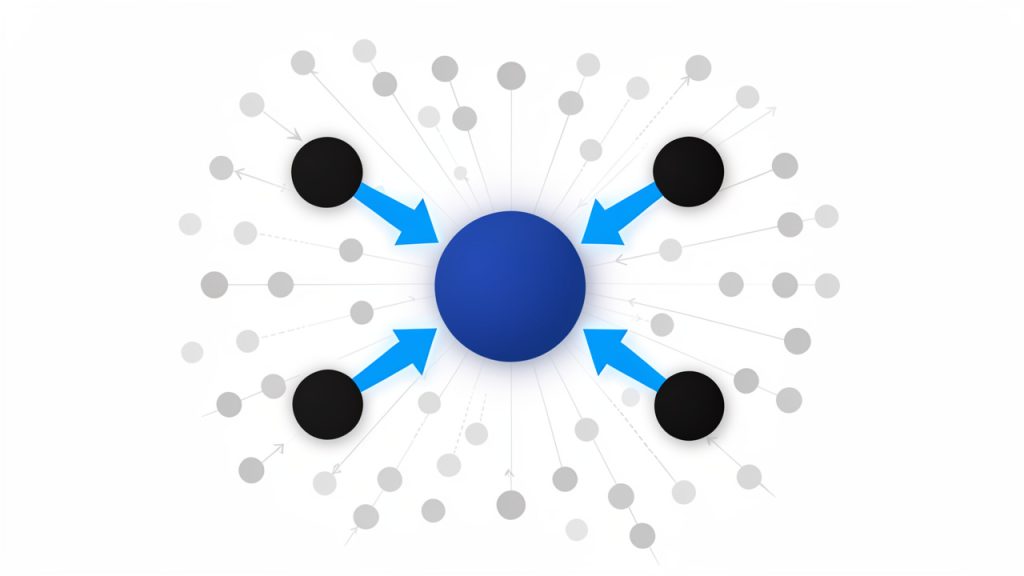
Think of backlinks as more than a metric for ranking. They can send direct referral traffic, expose your brand to new audiences, and help you build industry relationships. In many cases, the best links do more than influence search engines. They put your business in front of real people who may actually become customers.
Why Search Engines Care About Links
Search engines are trying to answer a simple question: Which page best deserves to rank for this query? Content quality matters, page speed matters, and user experience matters. But links help answer whether the rest of the web sees your content as worth referencing.
When many credible websites link to a page, it can suggest that the page offers something useful, original, or authoritative. That does not guarantee rankings, because search algorithms are much more sophisticated than they were years ago. Still, links remain one of the clearest off-page signals available.
This is why link building continues to be a major part of SEO strategy, not because search engines reward manipulation, but because the web naturally uses links as pathways of trust and discovery.
Not All Links Are Equal
A common mistake is treating all links as interchangeable. They are not. The value of a backlink depends on context. A link from a relevant industry blog usually carries more meaning than a random link from an unrelated directory page.
Authority also matters. A well-established website with editorial standards generally passes stronger trust signals than a thin site built only to publish low-quality content. Placement matters too. A link naturally included within the body of an article often has more value than one buried in a footer or sidebar.
There is also relevance. If you run a web design business, a link from a respected marketing, development, or business resource makes sense. A link from an unrelated gambling or coupon site does not. Search engines pay attention to those patterns, and so should you.
Key Aspects of Backlinks
The first key aspect to understand is quality over quantity. Many site owners still chase raw link counts because it feels easy to measure. But a large number of weak or suspicious links can do little for your site, and in some cases can create risk. Fewer high-quality backlinks are usually better than many low-value ones.
The second key aspect is relevance. Strong links usually come from pages that are topically connected to what you do. If your website offers productivity tools, links from SaaS blogs, digital marketing resources, business publications, and developer communities are far more meaningful than links from unrelated websites. Relevance creates a logical relationship between the referring page and your content.
A third aspect is editorial intent. The best backlinks are earned because someone chose to reference your page. That editorial choice matters. It signals that your content was useful enough to cite. Links that are inserted unnaturally, traded excessively, or placed on low-quality sites just to influence rankings are much less valuable.
The Main Types of Backlinks
Some backlinks are earned naturally when your content gets discovered and cited. These are often the most valuable because they reflect genuine interest. If you publish a useful guide, original data, or a free online tool, people may link to it without you asking.
Other backlinks are built through outreach. This happens when you contact website owners, editors, bloggers, or creators and show them a page that may be worth mentioning. Outreach is common, but its effectiveness depends heavily on quality. Generic mass emails rarely work well. Thoughtful, targeted outreach can.
There are also backlinks from guest posting, partnerships, business profiles, directories, interviews, podcasts, and digital PR. Each can play a role, but the underlying principle remains the same. The link should make sense for users first. If it only exists to manipulate search visibility, it is usually a weak long-term strategy.
Dofollow, Nofollow, and Other Link Attributes
Not every link passes the same SEO value. Some links include attributes that tell search engines how to treat them. You may hear terms like nofollow, sponsored, or ugc. These do not make a link worthless, but they can change how much ranking influence that link may pass.
A nofollow link often appears in comments, sponsored placements, or places where the linking site does not want to fully endorse the destination. Sponsored links are meant for paid placements. UGC stands for user-generated content, such as forum posts or community submissions.
From a practical perspective, you should not obsess over chasing only one type. A natural backlink profile often includes a mix. Some links help with rankings more directly, while others still drive exposure, traffic, and credibility. Real marketing value goes beyond a single technical label.
What Makes a Backlink Valuable?
The strongest backlinks usually combine several qualities at once. They come from trusted websites, appear on relevant pages, sit naturally within useful content, and point to pages that deserve attention. If the linking page itself gets traffic and engagement, that can make the backlink even more valuable.
Anchor text also matters, but it should look natural. Anchor text is the clickable text used in a link. If every link pointing to your site uses the exact same keyword-rich phrase, that can look manipulative. Healthy link profiles usually include branded anchors, plain URLs, natural phrases, and occasional keyword-related variations.
Here is a simple comparison of weak and strong link characteristics:
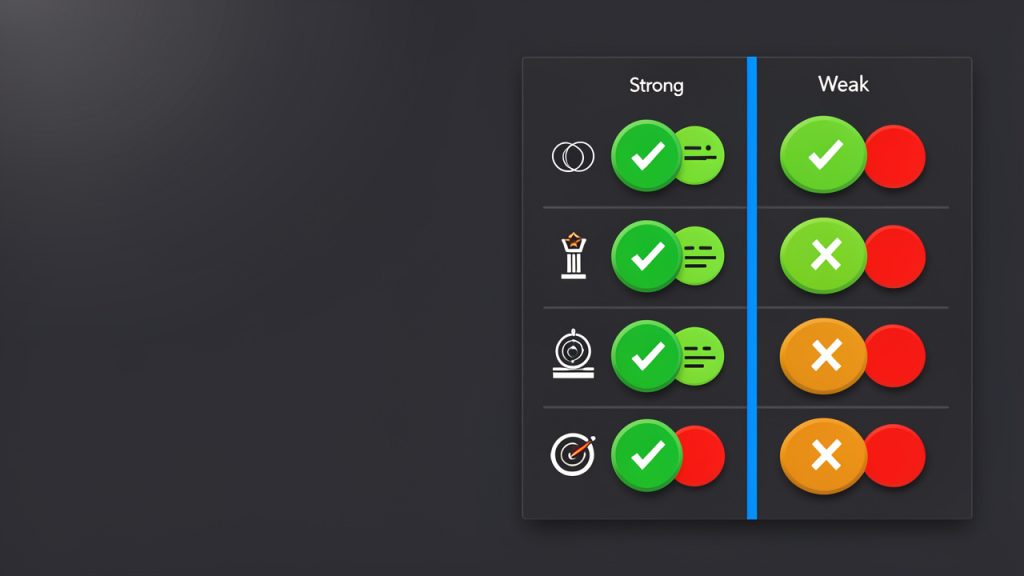
| Factor | Strong Backlink | Weak Backlink |
|---|---|---|
| Relevance | Comes from a page related to your niche | Comes from an unrelated page |
| Authority | Published on a trusted, established site | Published on a thin or spammy site |
| Placement | Embedded naturally in article content | Hidden in footers, sidebars, or cluttered pages |
| Intent | Added because your content is useful | Added only to manipulate rankings |
| Traffic Potential | Can send real referral visitors | Unlikely to generate any clicks |
| Anchor Text | Natural, varied, and contextual | Over-optimized and repetitive |
Common Misunderstandings About Links
One of the biggest myths is that more backlinks always mean better rankings. That is not how modern SEO works. Search engines evaluate patterns, trust, context, and intent. A bloated backlink profile with poor-quality sources can be much less helpful than a smaller profile built on genuinely useful mentions.
Another misunderstanding is that backlinks work instantly. In reality, SEO is cumulative. It can take time for search engines to crawl links, process authority signals, and reflect them in rankings. Even then, links usually work best when paired with strong on-page SEO, useful content, and a technically healthy website.
There is also a persistent belief that buying links is an easy shortcut. It can be a tempting idea, especially for businesses under pressure to grow quickly. But paid link schemes often produce low-quality placements and create long-term risk. What looks like fast progress can become a cleanup project later.
How to Get Started With Backlinks
The smartest starting point is not outreach. It is asset creation. Before asking anyone to link to your site, make sure you have something worth linking to. That could be a practical guide, an original case study, a free template, a helpful comparison page, a glossary, a calculator, or a simple online tool that solves a real problem.
This is especially important for small businesses and freelancers. You may not have the brand recognition of larger competitors, but you can still win links by being more useful. A niche-specific resource that solves one problem clearly can outperform broad, generic content every time.
Build Link-Worthy Pages First
Ask yourself a blunt question: why would someone link to this page? If the answer is unclear, the page probably needs more value. Product and service pages can earn backlinks, but informational resources tend to attract them more naturally.
Useful link-worthy pages often include original insights, clean explanations, updated statistics, visual clarity, or practical tools. If you serve developers, a free checker or generator may attract links. If you serve local businesses, a well-researched guide on a specific operational problem may do the same.
The goal is to create pages that editors, bloggers, and creators feel comfortable citing. That means the content should be accurate, easy to scan, and genuinely helpful rather than obviously promotional.
Start With Easy, Legitimate Opportunities
You do not need to begin with ambitious media outreach. Many early backlinks come from straightforward opportunities that are already within reach. These tend to be lower-risk and easier to secure, especially for newer websites.
- Business profiles: Create or improve listings on reputable business platforms and industry-specific directories.
- Partners and suppliers: Ask relevant partners, vendors, or clients whether they feature collaborators on their websites.
- Guest contributions: Offer useful articles or expert commentary to relevant websites in your field.
- Resource pages: Find curated pages that list helpful tools, guides, or services and suggest your best-fit content.
These are practical starting points, not the entire strategy. They help establish a foundation while you work on earning stronger editorial links over time.
Use Outreach Without Sounding Like Outreach
Most link outreach fails because it is self-centered. It asks for a favor without offering a compelling reason. Good outreach starts by understanding the other site’s audience and identifying a genuine fit.
If you find an article that references outdated data, a broken resource, or a missing tool, and your page improves the reader experience, then your message has a purpose. That is far more persuasive than sending a generic note that says you have “great content” they should link to.
Keep outreach brief, specific, and respectful. Mention the exact page, explain why your content is relevant, and make it easy for the recipient to evaluate. Editors are busy. Clarity beats cleverness.
Create Content That Naturally Earns Links
Some content formats are more likely to attract backlinks than others. Original research tends to perform well because people cite data. Detailed how-to guides perform well because they solve practical problems. Tool pages perform well because they offer utility. Strong opinion pieces can also attract links when they add real insight instead of noise.
For your audience, one of the best approaches is creating free, easy-to-use resources. A calculator, checklist, template, benchmark article, or troubleshooting guide can become a natural reference point within a niche. Over time, these pages can attract links repeatedly without constant promotion.
A useful test is whether the page remains valuable even if search engines did not exist. If people would still bookmark it, share it, or send it to a colleague, it has real link potential.
Monitor and Improve Your Link Profile
As you begin building backlinks, you also need to track what is happening. SEO tools can show which sites link to you, which pages attract the most links, and where competitors are getting mentions. That information helps you spot patterns rather than guessing.
If one content format consistently earns links, create more of it. If one page gets attention but does not convert visitors, improve the call to action. If low-quality links begin appearing unexpectedly, review them calmly rather than panicking. Not every odd link is harmful, but your profile should be monitored over time.
| Approach | Effort Level | Typical Quality | Long-Term Value |
|---|---|---|---|
| Business directories | Low | Low to medium | Foundational |
| Partner mentions | Low to medium | Medium | Good early win |
| Guest posting | Medium | Medium to high | Strong when relevant |
| Resource page outreach | Medium | Medium to high | Very useful when well targeted |
| Original research | High | High | Excellent |
| Free tools or templates | Medium to high | High | Excellent |
| Digital PR | High | High | Excellent but less predictable |
Avoid Shortcuts That Create Problems
If a backlink offer sounds too easy, it usually is. Packages promising hundreds of links for a small fee are almost always built on weak networks, irrelevant placements, or spammy tactics. They may create a temporary illusion of progress, but they rarely build durable authority.
The same goes for excessive link exchanges, automated submissions, and keyword-stuffed anchor text campaigns. These approaches are based on old assumptions about SEO and often ignore the bigger picture. Search engines have become much better at evaluating patterns that do not look natural.
A safer mindset is to build links the way you build reputation offline. You earn trust by being useful, visible, and worth recommending. That principle scales much better than any shortcut.
Conclusion
Backlinks remain one of the clearest ways search engines evaluate authority, but their real value goes beyond rankings. The right links can bring credibility, referral traffic, and meaningful visibility for your brand. What matters most is not how many links you collect, but whether those links come from relevant, trusted sources and point to content that deserves attention.
If you are getting started, focus first on creating something useful enough to reference. Then build from there with smart outreach, legitimate mentions, and steady monitoring. Your next step is simple: review your site today and identify one page that could become truly link-worthy, then improve it until another website would be glad to cite it.
Leave a Reply